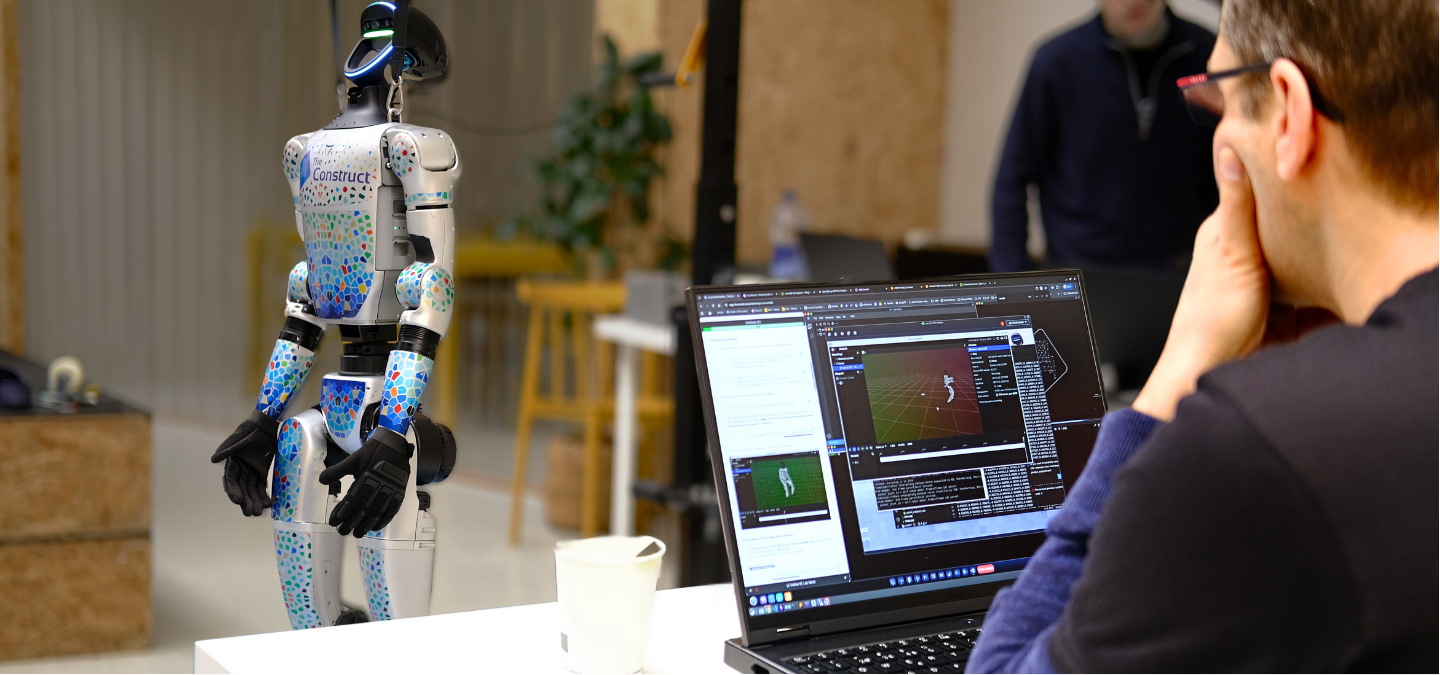
A humanoid robot recently ran 100 meters in 8.64 seconds.
That is faster than Usain Bolt’s 9.58-second world record.
The performance happened at the second World Humanoid Robot Games in Beijing, where more than 2,000 robots from 666 teams competed in 51 events. Some events looked like traditional sports, including running, football, boxing, and table tennis. Others were designed around practical tasks such as hotel service, object manipulation, and firefighting.
The scale of the competition had also changed dramatically. In 2025, the first edition involved roughly 500 robots and 280 teams. Just one year later, participation had grown several times over.
But the most interesting part of the event was not simply how fast the robots could run.
It was the difference between being impressive and being useful.
Faster Than Humans, but Not Necessarily Better
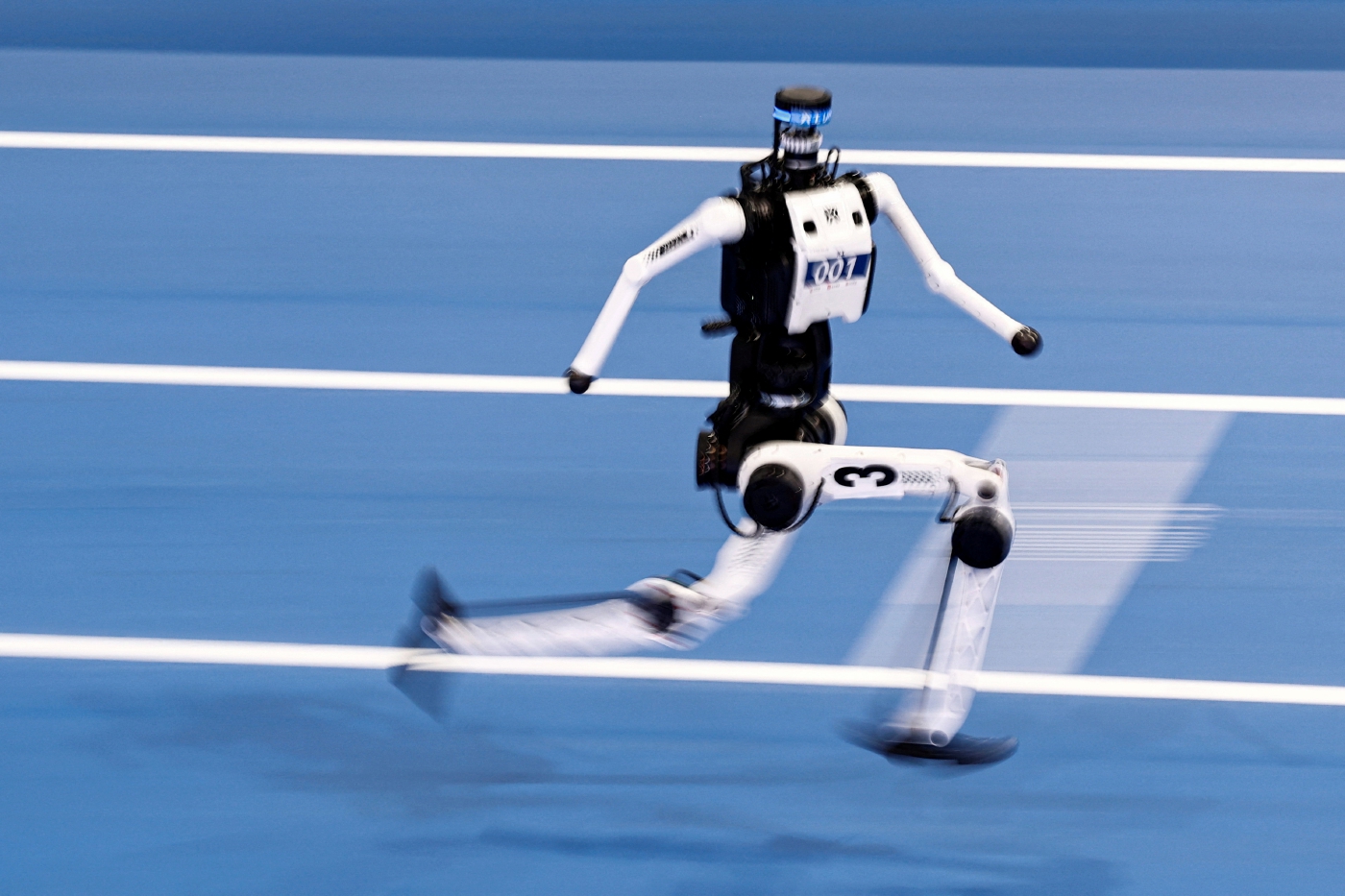
Tiangong Ultra, developed by the Beijing Humanoid Robot Innovation Center, won the 100-meter final in 8.64 seconds. It also ran the 400 meters in around 38 seconds and achieved a standing high jump of nearly 2.9 meters.
The improvement from last year was particularly striking. The winning 100-meter time in 2025 was around 21.5 seconds. Twelve months later, it had fallen to 8.64 seconds.
Yet the fastest robot was not the biggest overall winner.
AgiBot, competing for the first time, collected 46 medals: 18 gold, 16 silver, and 12 bronze. Its strength was not primarily speed. Instead, its robots performed well in events involving object manipulation and practical tasks, including simulated hotel and library work.
The contrast is revealing. One team focused on pushing the limits of physical performance, while another demonstrated capabilities that are closer to what robots might eventually need in the real world.
Unitree provided another interesting example. After winning four running gold medals last year, one of its robots finished last in its first 100-meter heat this year. The company explained that it had been focused on manufacturing and selling robots rather than developing a specialized machine for racing.
Winning a robot race, in other words, is not necessarily the same thing as building a successful robot business.
A Tiangong humanoid robot competes during a 100m large-sized group preliminary race, following the opening ceremony of the 2026 World Humanoid Robot Games, at the National Speed Skating Oval, in Beijing, China August 22, 2026. REUTERS/Tingshu Wang
Robots Still Have a Long Way to Go
The 8.64-second sprint can make humanoid robots seem remarkably advanced. But watching the rest of the competition provides a more balanced picture.
Many robots still require human assistance when they fall or need their batteries changed. Some struggle to recover their balance after unexpected movements, and during team events, one robot falling can sometimes cause others nearby to fall as well.
The competition also produced plenty of failures.
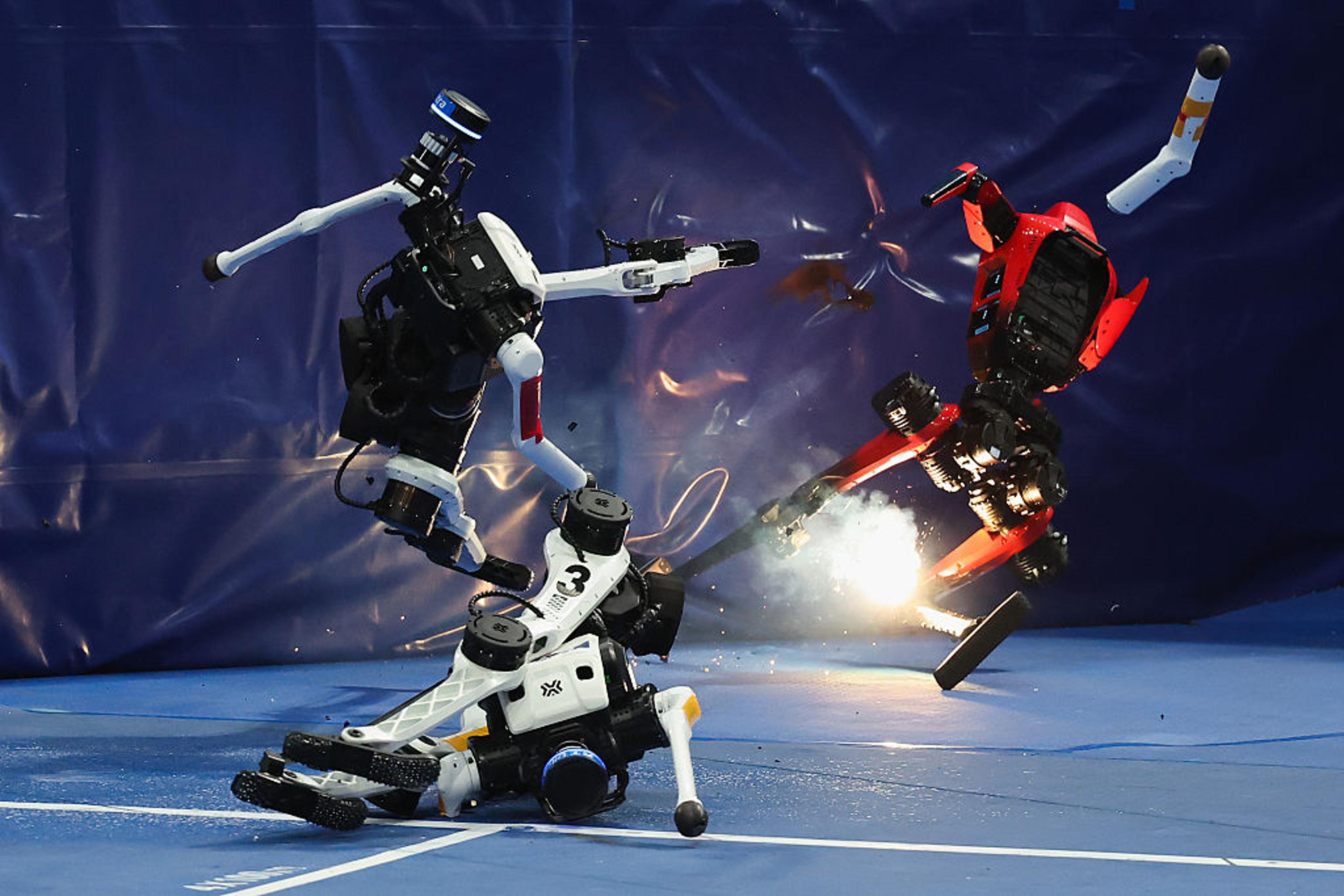
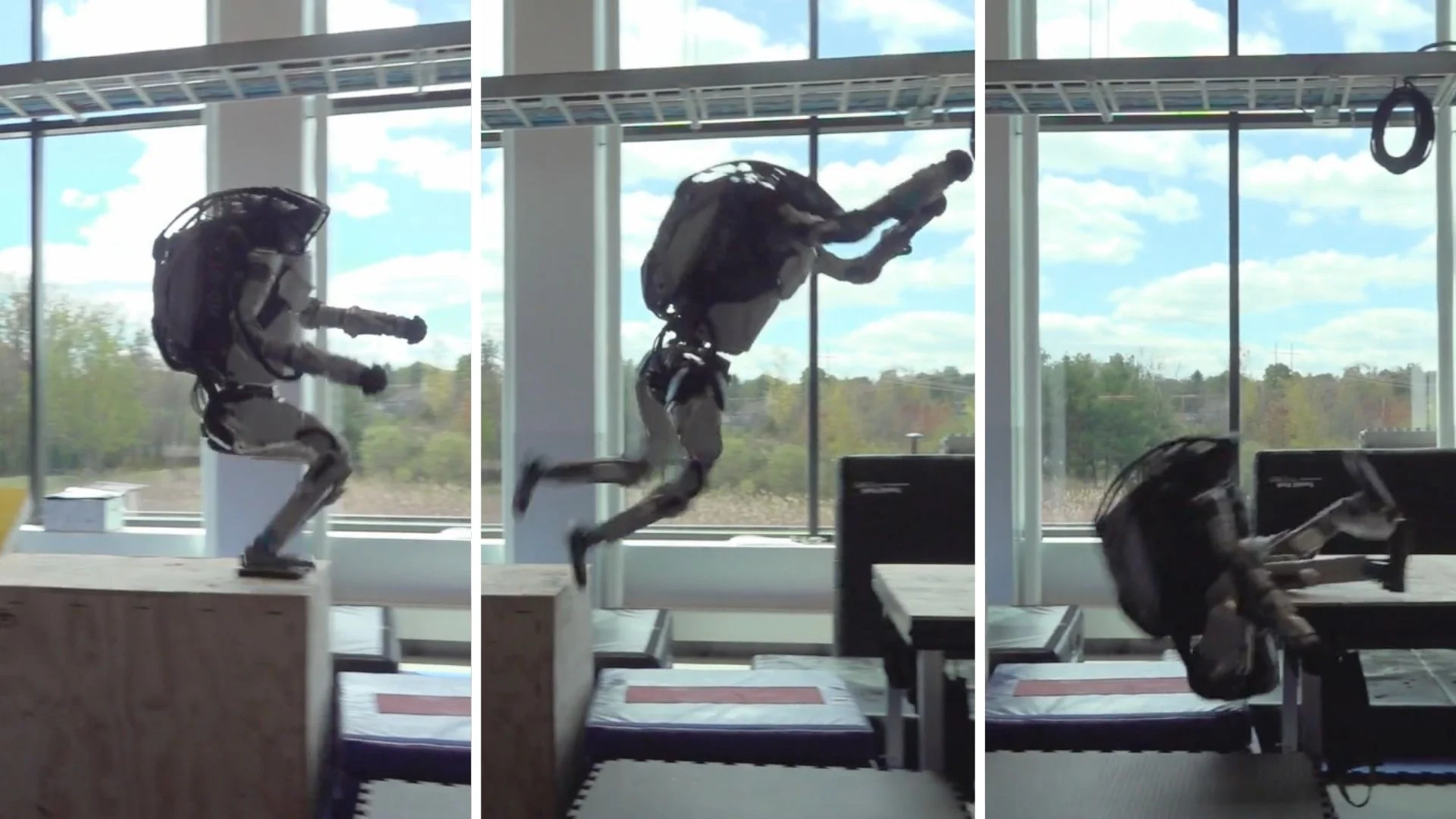
One robot appeared to come apart after finishing a 100-meter race. Another attempted a front flip and crashed. Several robots hit the padded wall at the end of the sprint, and one even caught fire, requiring staff to use a fire extinguisher.
These moments were entertaining, but they also highlighted an important limitation: robots can perform extremely well under specific conditions while still struggling with unpredictable situations that humans handle naturally.
That is precisely why competitions like this can be useful.
A humanoid robot collided with an obstacle and caught fire at the end of the 100 meter race during the 2nd World Humanoid Robot Games on Aug. 25, 2026.Lintao Zhang—Getty Images
The Real Purpose of the Competition
RoboCup has been using a similar approach since 1997. Its long-term goal is for autonomous robots to eventually defeat human football champions, but football itself is not really the point.
A football match forces robots to combine perception, movement, balance, decision-making, and real-time reactions. It is a much harder test than demonstrating each capability separately in a laboratory.
The World Humanoid Robot Games work in much the same way.
Running tests locomotion. Boxing tests balance and reaction. Manipulation tasks test how robots interact with objects. Practical simulations test whether those capabilities can translate into something closer to real work.
There is a useful parallel in Formula 1. Racing provides an extreme environment for developing and testing automotive technologies, some of which eventually make their way into consumer vehicles. Robotics competitions can play a similar role: the competition is the testing ground, while the technology developed for it can eventually be used elsewhere.
A robot learning to pick up objects in a simulated hotel, for example, is developing a capability that could one day be useful in a warehouse, factory, hotel, or home.
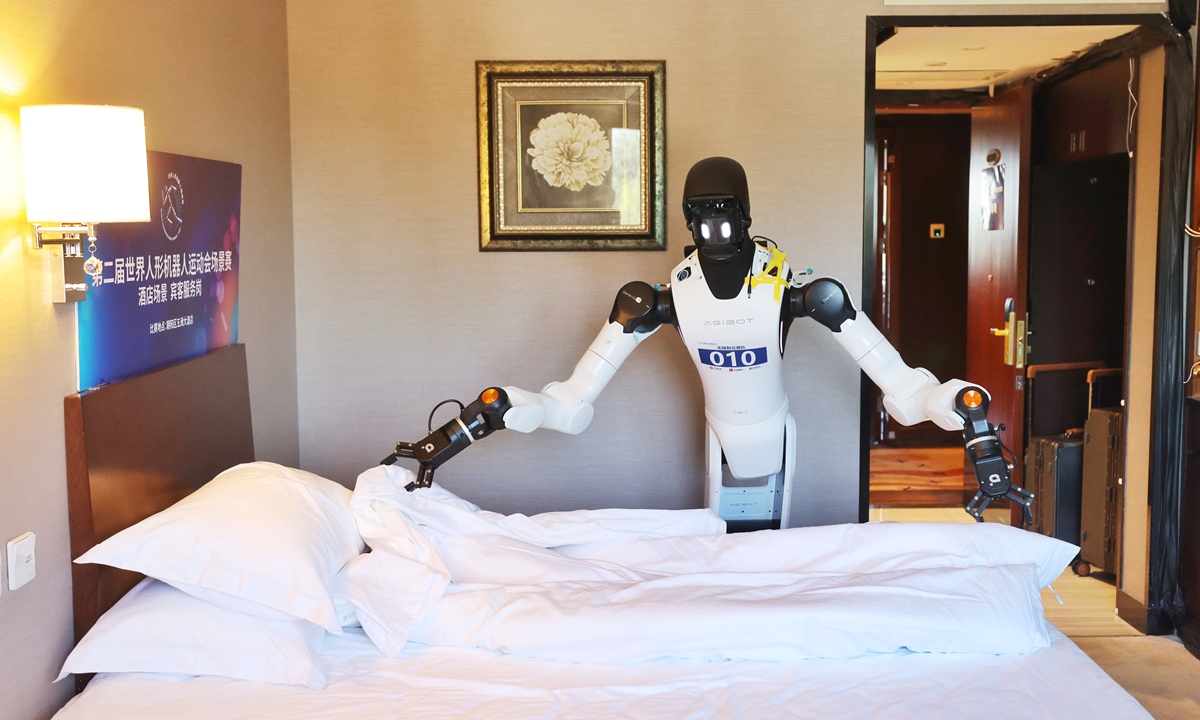
The image shows a robot making a bed during the room-tidying competition at the 2nd World Humanoid Robot Games. Photo by Wang Guibin, Beijing News
From the Stadium to the Real World
This is ultimately why the Robot Olympics matters.
The goal is not necessarily to create robots that can win medals. It is to create machines that can move safely, manipulate objects, recover from unexpected situations, and eventually perform useful tasks without constant human intervention.
The impressive performances show how quickly some of these capabilities are improving. The failures show how much work remains.
And both are valuable.
The rapid growth of the competition, combined with the dramatic improvement in performance from 2025 to 2026, suggests that humanoid robotics is progressing quickly. But the more important milestone will come when these machines can leave the competition environment and reliably operate in the real world.
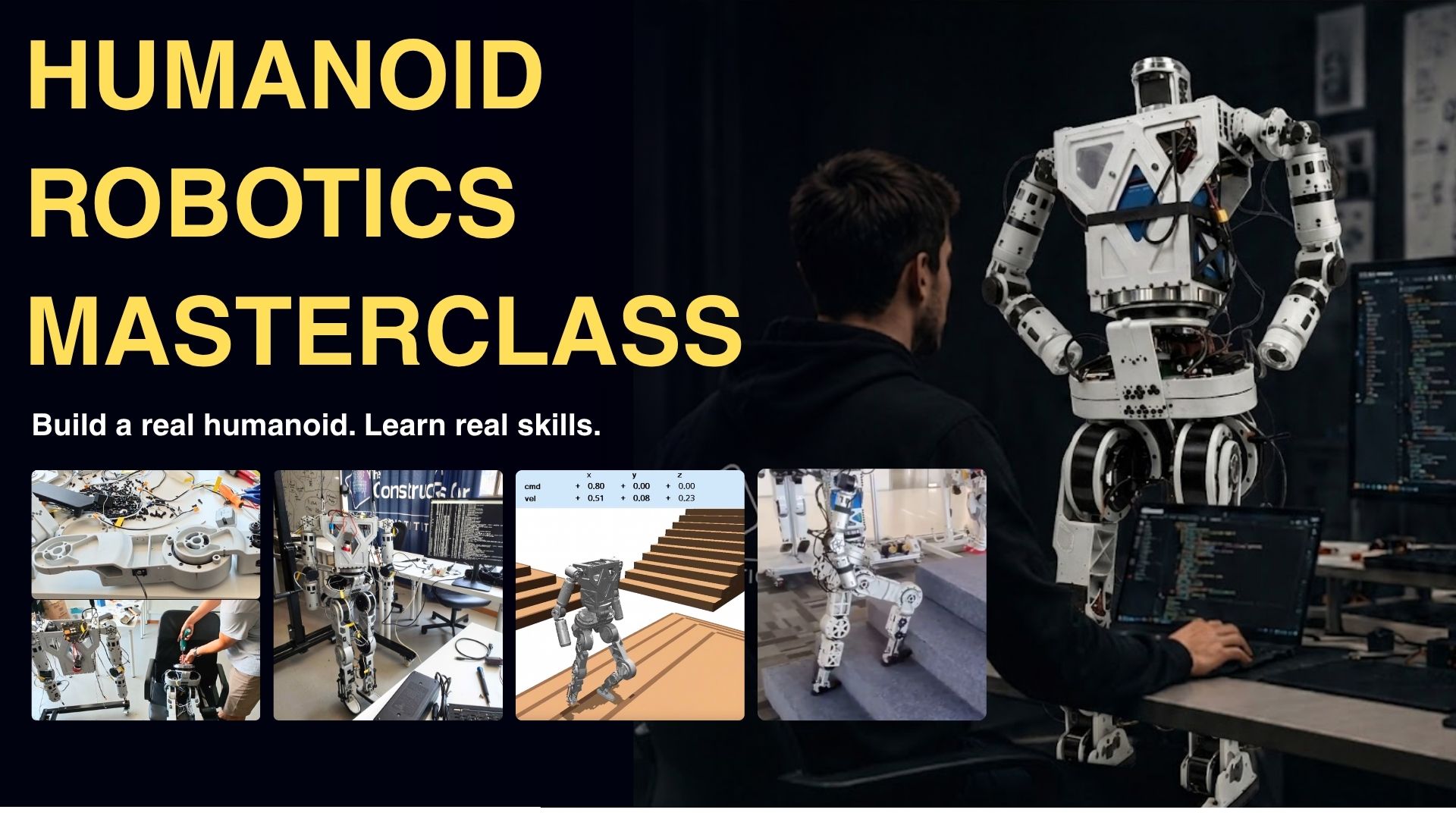
If this is a future you would like to be part of, there has never been a better time to get started. The Humanoid Robotics Masterclass by The Construct Robotics Institute covers everything from robot hardware and simulation to programming, perception, locomotion, manipulation, and AI techniques such as Vision-Language-Action (VLA) models and robot learning. No engineering background or prior experience with humanoid robots is required, and the course is fully online and self-paced.
For decades, teaching a robot to perform even the simplest household task was an incredibly tedious process. If you wanted a robot to open a refrigerator, fold a towel, or pick up a cup, you had to program every single movement, every joint angle, and every possible error the robot might encounter. That approach worked reasonably well in controlled environments, but the real world is anything but controlled. Homes are messy, objects move, lighting changes, and no engineer can realistically write code for every situation a robot might encounter.
So researchers started asking a much more human question:
What if, instead of programming robots, we simply showed them how we do things?
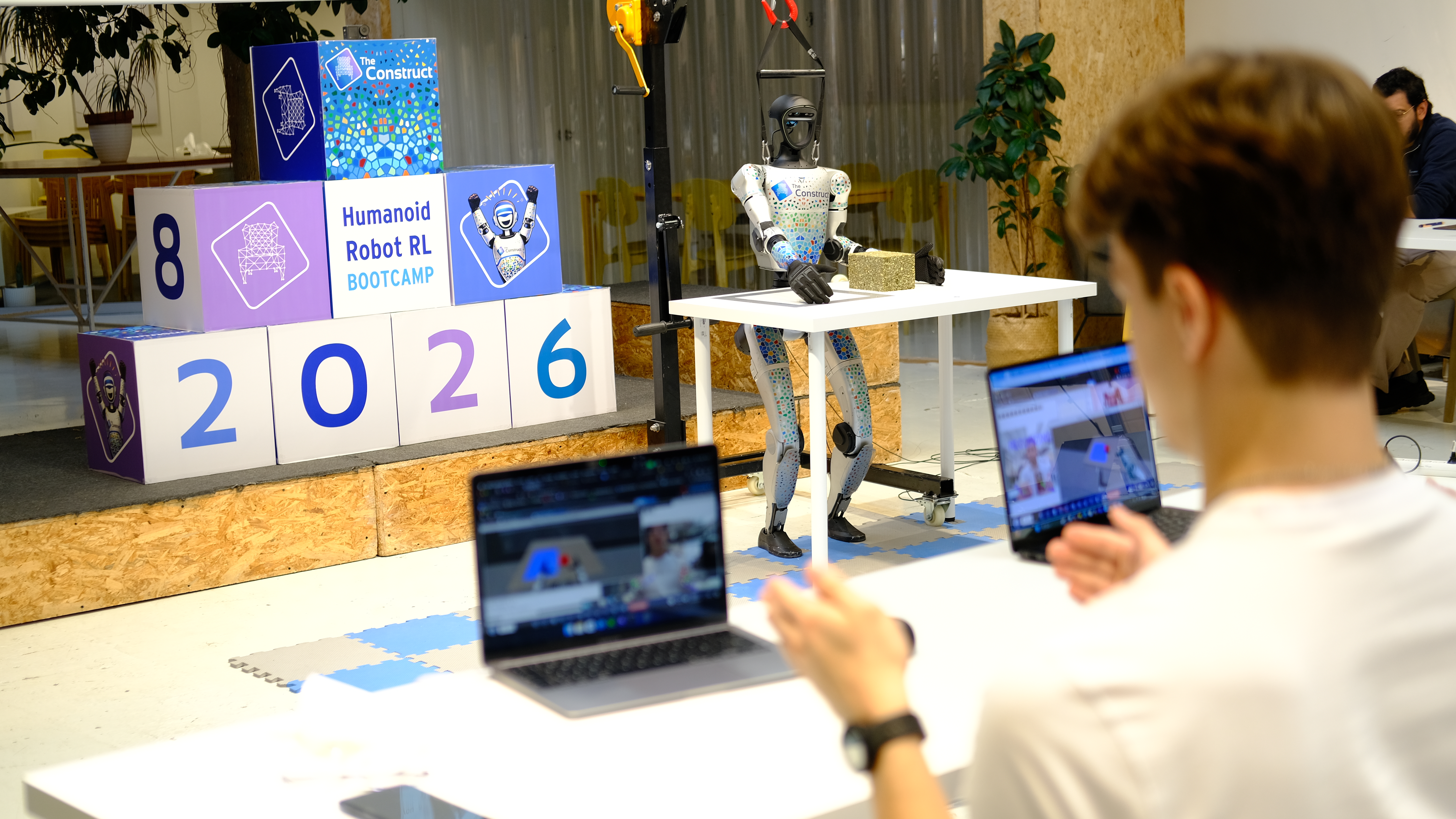
Humanoid Robotics Bootcamp Organized by The Construct Robotics Institute
Learning Like a Child
Think about how children learn. Nobody hands a child a 50-page instruction manual explaining how to tie shoelaces. Instead, a parent demonstrates the process, the child watches, imitates, makes mistakes, and gradually improves through practice. This simple idea inspired one of the most exciting directions in modern robotics: Imitation Learning. Rather than explicitly programming every action, researchers allow robots to observe humans performing a task over and over again. A person might repeatedly open a refrigerator, fold a shirt, place an object on a shelf, or organize items into containers while the robot records every demonstration through cameras and sensors. After seeing enough examples, it begins to recognize the patterns behind successful behavior—not because someone programmed those patterns into code, but because it has learned what successful execution actually looks like. This simple shift fundamentally changes how robots acquire new skills.
Humanoid Robotics Masterclass – by The Construct Robotics Institute
The Results Are Surprisingly Good
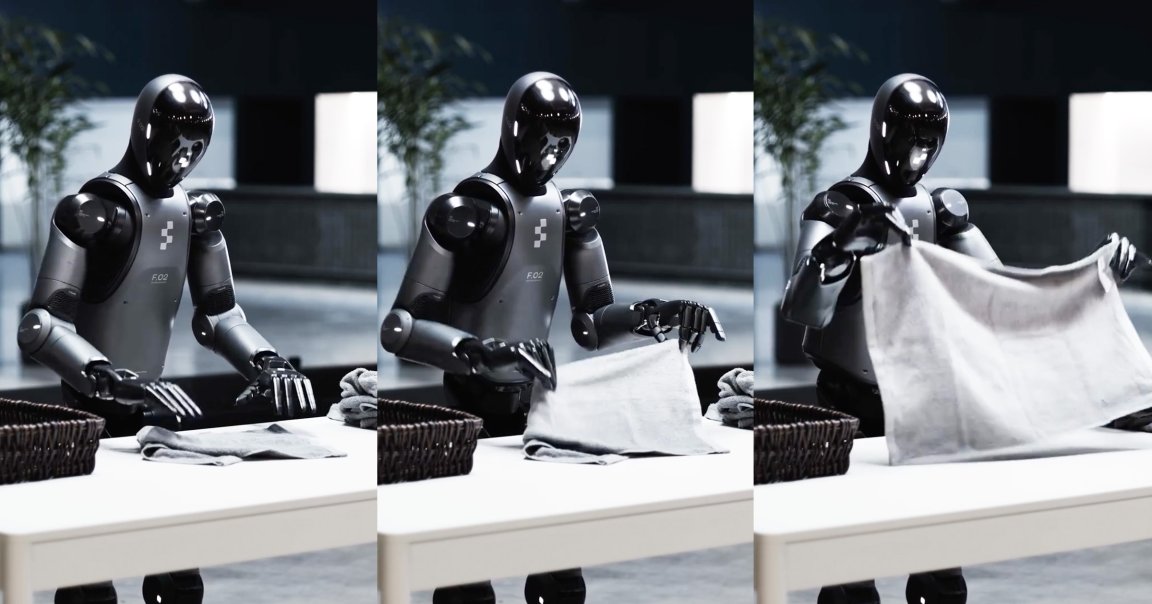
The idea isn’t just elegant—it works. Researchers at UC Berkeley demonstrated this by teaching a robot to fold laundry through thousands of human demonstrations. Instead of manually programming every fold, the robot learned simply by observing people perform the task. The result was impressive: it successfully folded clothes 93% of the time—better than quite a few humans after laundry day.
Figure 02, powered by the VLA model Helix, folding clothes. (Credit: Figure AI)
Then Language Models Changed the Game
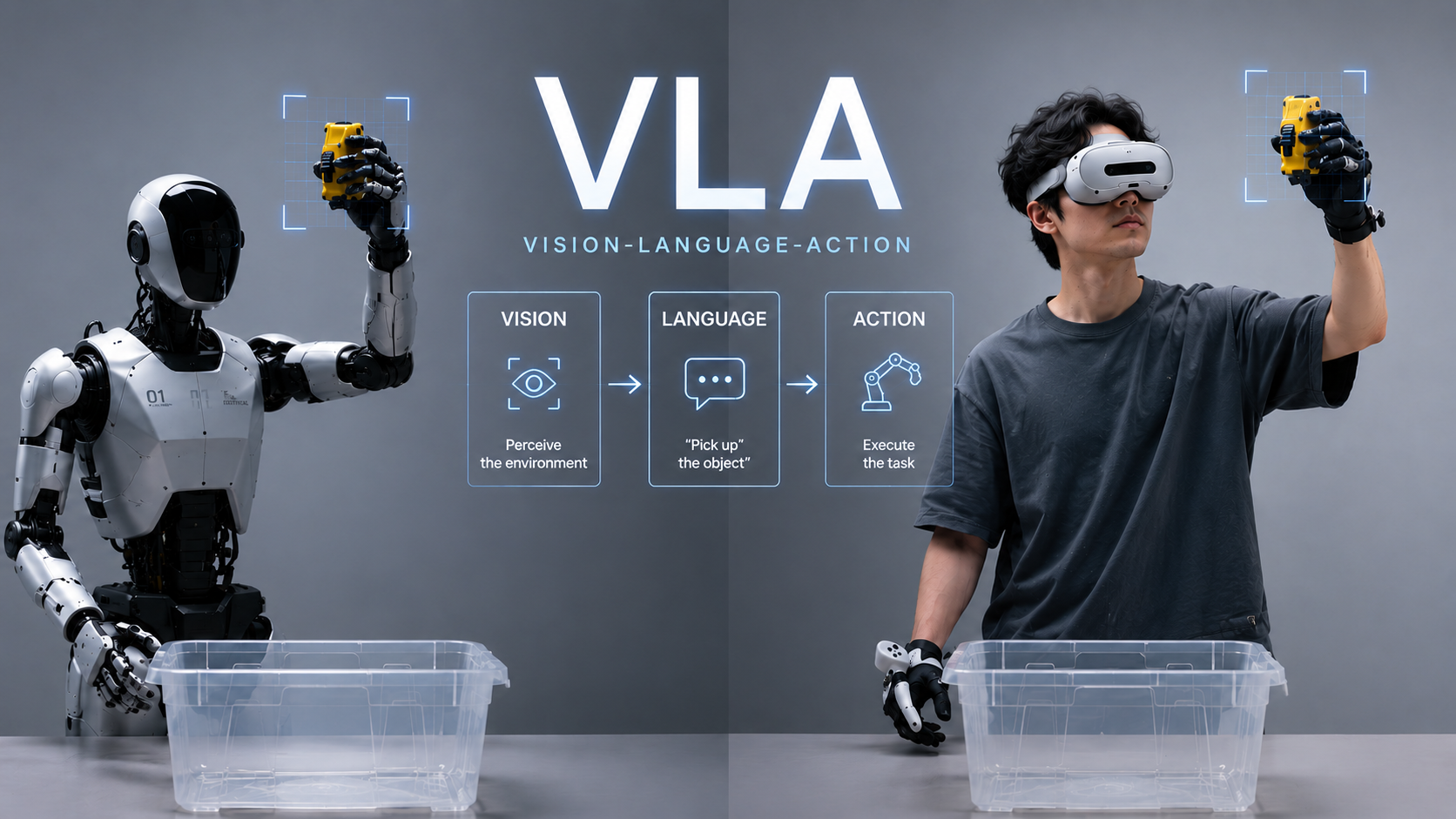
Imitation learning alone is already impressive, but in the past few years researchers have started combining it with another breakthrough you’ve almost certainly heard about: large language models (LLMs). These models can understand language, recognize images, and reason about context. When those capabilities are integrated with robots that learn from demonstrations, they create what researchers call a Vision-Language-Action (VLA) model. The name may sound technical, but the underlying idea is surprisingly intuitive. Instead of training a robot to perform one very specific task under one fixed set of conditions, VLA models allow robots to understand instructions much more like humans do. Imagine saying, “Put the apple in the bowl.” A traditional robot might fail if the apple isn’t exactly where it expected, if the bowl is a different color, or if the kitchen layout has changed. A VLA-powered robot, however, can look at the scene, identify the apple, recognize the bowl, understand the instruction, and complete the task even when everything is slightly different from previous training examples. Rather than replaying a predefined script, the robot is interpreting what you actually mean.
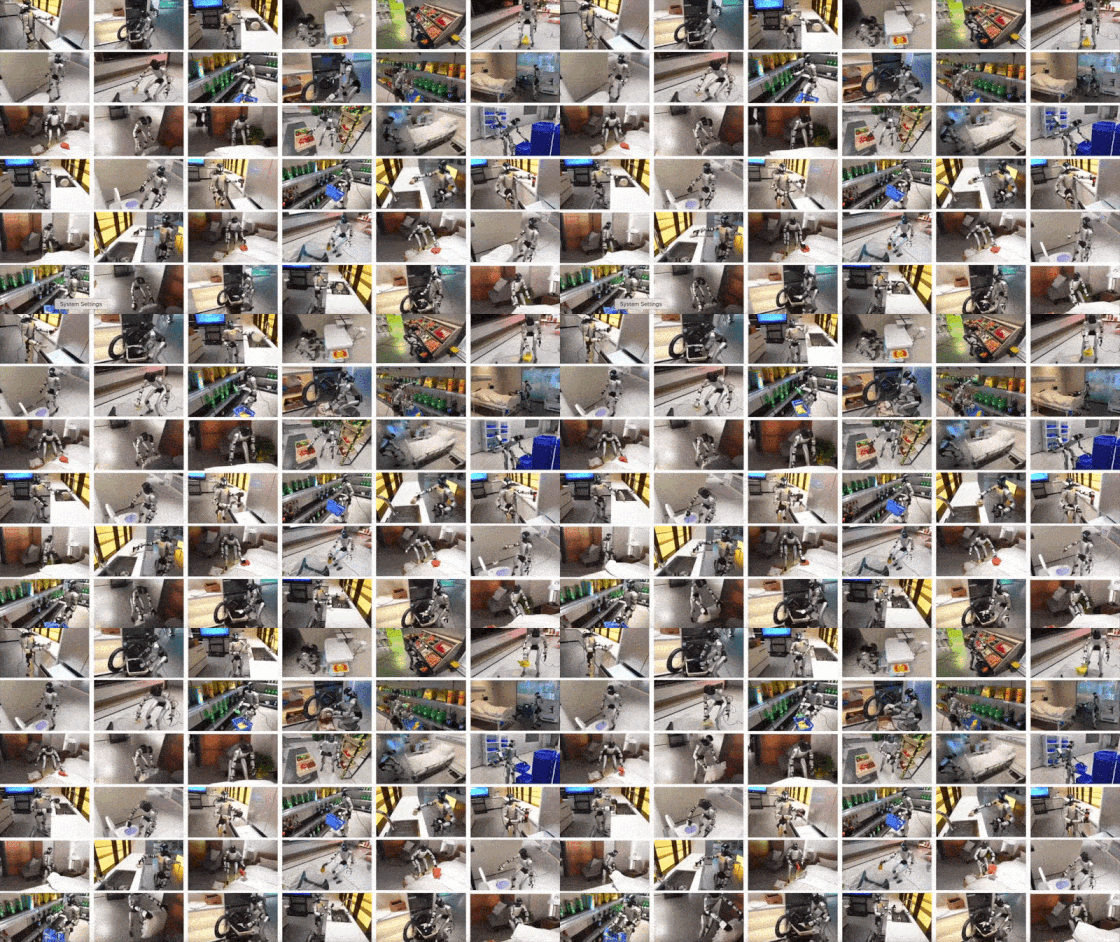
cr. EgoVLA
Why This Matters for Everyday Life
People often ask why home robots still aren’t common. The answer isn’t that robots aren’t powerful enough or fast enough—it’s that homes are incredibly unpredictable. A glass reflects light differently throughout the day, furniture gets rearranged, objects disappear into drawers, and people naturally describe the same task in many different ways. Rigidly programmed robots struggle in environments like these because they rely on fixed assumptions about the world. Robots that learn from human demonstrations while also understanding language and context have a much better chance of adapting. Researchers at Georgia Tech recently demonstrated Vision-Language-Action robots performing tasks such as:
stacking cups
folding cloth
plating fruit
packing food
After further refinement, these robots completed some tasks three to four times faster than the humans who originally demonstrated them. The robot learned from the human.Then it became faster than the human. That’s a sentence that’s both slightly unsettling—and incredibly exciting.
Who Gets to Teach Robots?
Perhaps the most inspiring aspect of this technology isn’t the algorithms themselves, but what they mean for who gets to teach robots. If robots learn by observing humans, then teaching them is no longer something reserved exclusively for software engineers. Imagine:
A chef teaching a robot how to plate food beautifully.
A nurse demonstrating how to help a patient sit up safely.
A warehouse worker showing a robot the most efficient packing method.
A parent demonstrating the “right” way to fold laundry.
Expert knowledge suddenly becomes teachable through demonstration rather than programming. In many ways, this could democratize robotics by allowing people from many different professions to directly contribute to how robots acquire new skills.
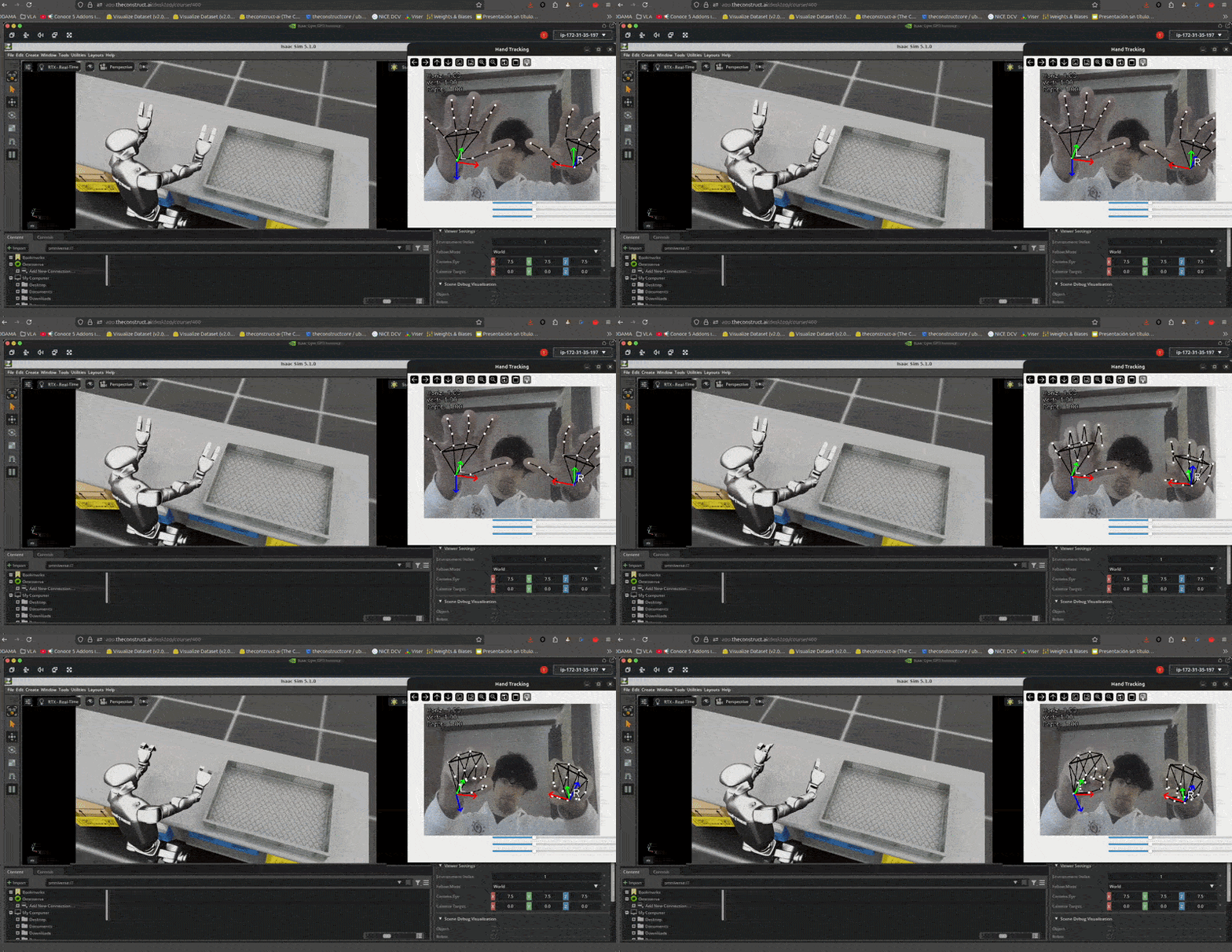
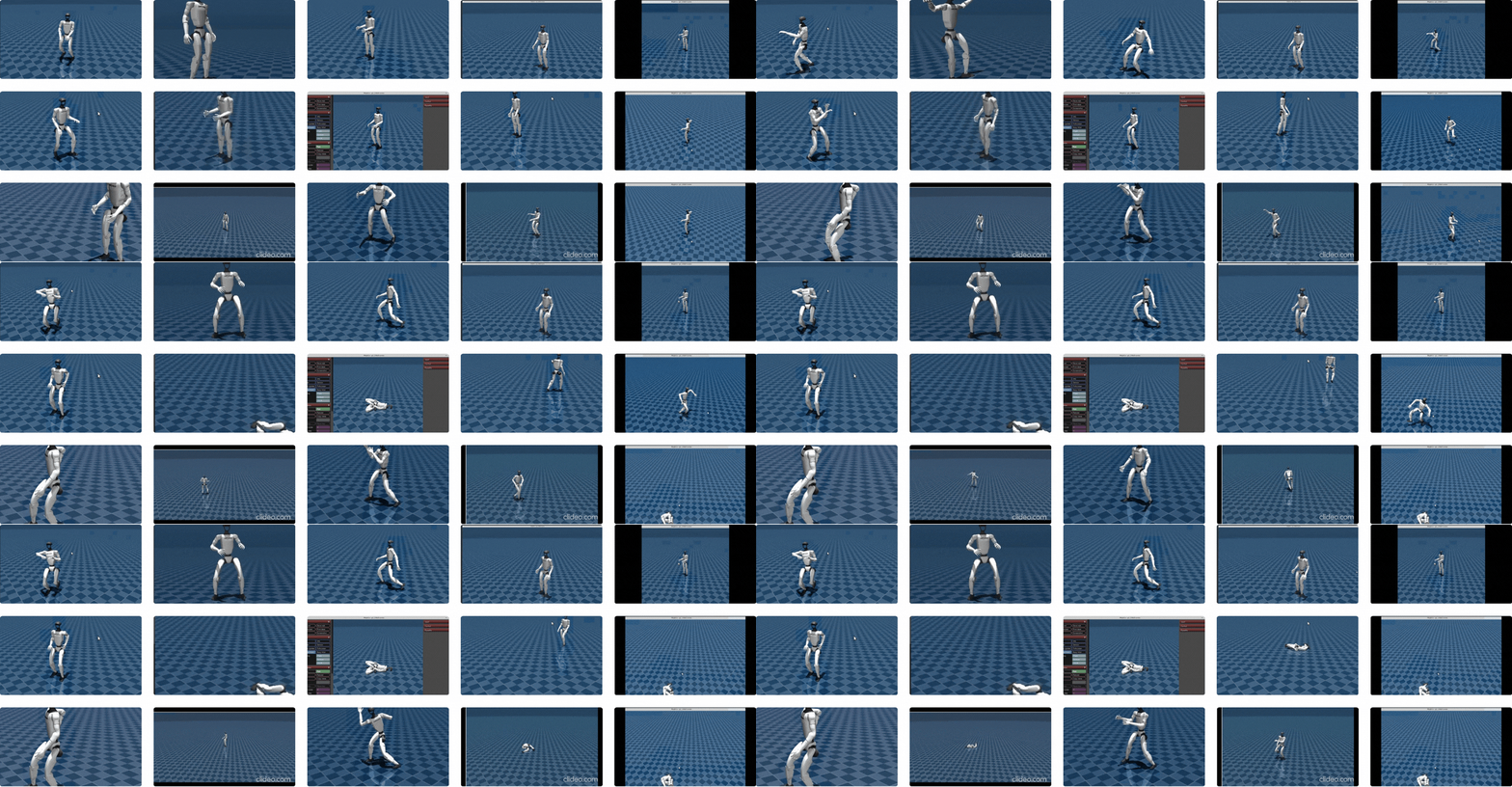
UnifoLM_WBT_Dataset (credit. Unitree Robotics)
Of course, we’re not quite there yet. Today’s robot trainers still rely on specialized tools to convert human demonstrations into data that robots can understand. Simply performing a task in front of a robot isn’t enough—yet. But that’s exactly where the field is heading. The next major milestone is making robot learning as natural as human learning: simply showing the robot what to do.
The Future Is Closer Than You Think
Robots learning by watching humans is no longer science fiction. It’s happening today in research labs around the world, and it’s steadily making its way into real-world products. As robots become better at understanding language, interpreting visual scenes, and learning from demonstrations, they’ll become far more useful in the environments where people actually live and work. The age of robots learning from humans has already begun. The question is no longer whether it will happen—but how quickly it will transform the way we interact with machines.
If You Want to Learn How Modern Humanoid Robots Work?
If this is the future you’d like to be part of, there has never been a better time to get started. The Humanoid Robotics Masterclass by The Construct Robotics Institute covers everything from humanoid robot hardware and simulation to programming, perception, locomotion, manipulation, and the latest AI techniques, including Vision-Language-Action (VLA) models and robot learning. The course is fully online, self-paced, and designed for learners of all backgrounds—no prior experience with humanoid robots is required. Learn more about the Humanoid Robotics Masterclass here: https://www.theconstruct.ai/humanoid-robotics-masterclass/
Over the past year, Unitree Robotics has become one of the biggest names in humanoid robotics.
We’ve seen its robots perform kung fu, backflips, parkour, and increasingly sophisticated whole-body movements that seemed impossible only a short time ago. At the same time, Unitree has expanded its humanoid lineup, introducing robots aimed at everyone from hobbyists to AI researchers and industrial developers.
Today, buying a humanoid robot is no longer limited to large research labs. Universities, startups, companies, and even individuals can purchase one.
However, once you start looking at Unitree’s product lineup, things quickly become confusing.
There are the R1, G1, G1 EDU, H2, and then various U1, U2, U3 configurations. The naming isn’t always intuitive, and many buyers end up asking the same questions:
Which robot is actually programmable?
What’s the difference between the G1 and G1 EDU?
Is the cheapest model enough?
Which robot offers the best value for my use case?
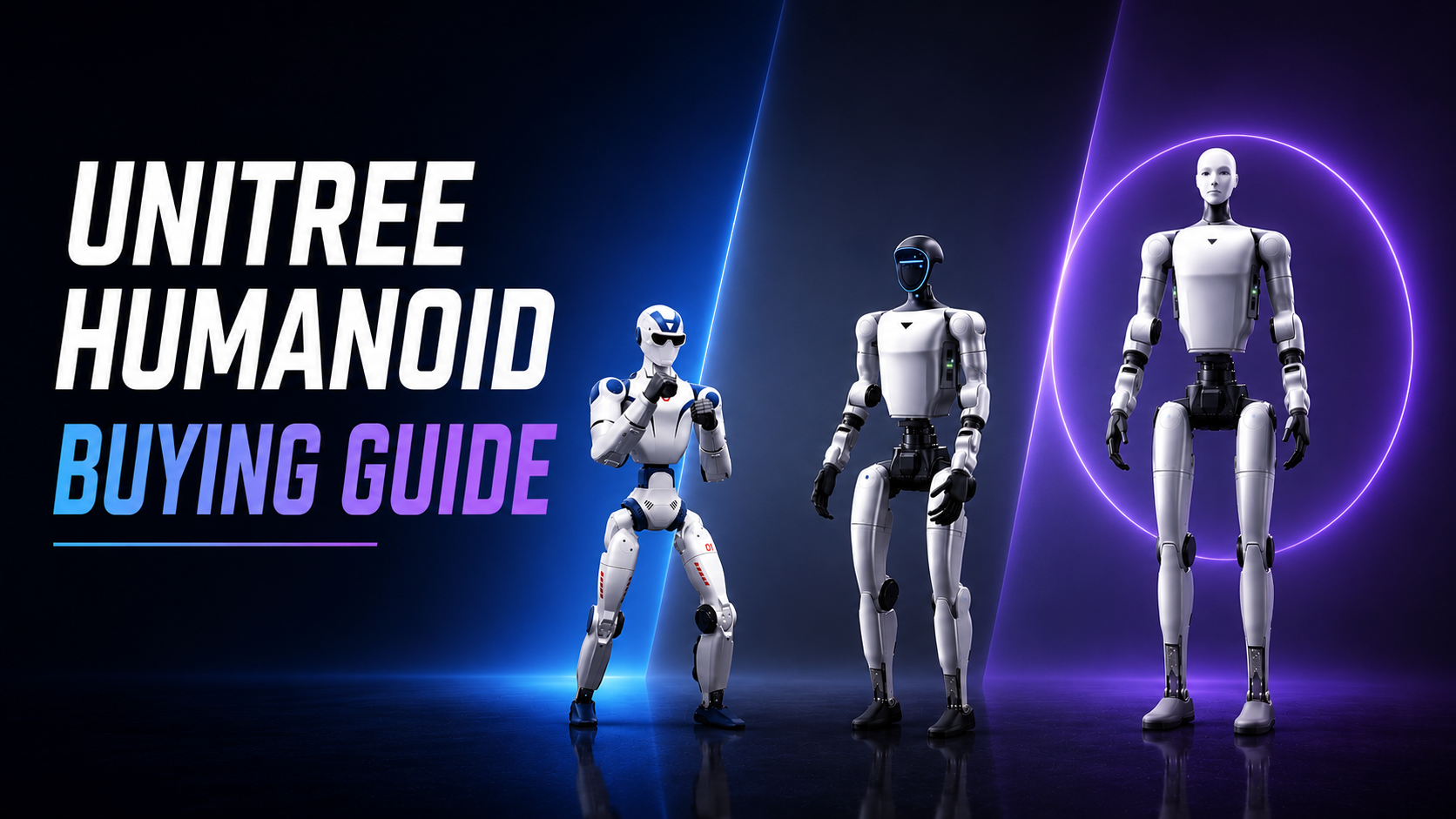
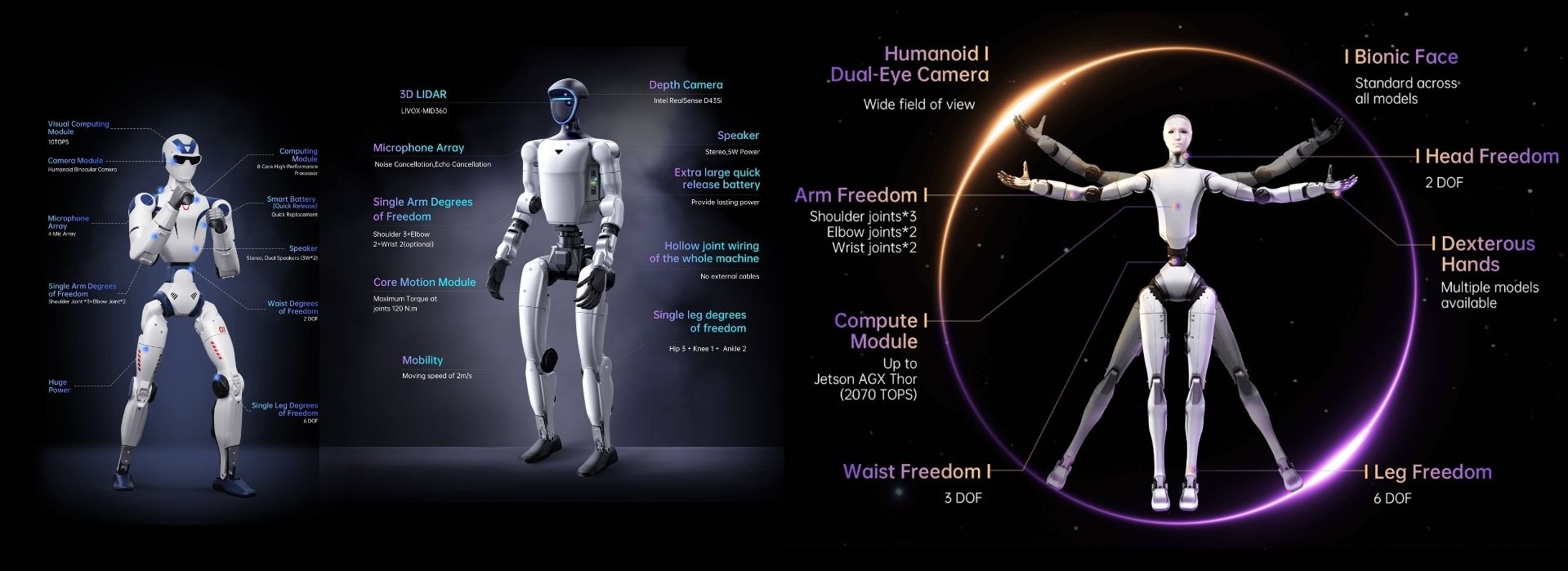
This guide breaks down every current Unitree humanoid robot and explains which one makes the most sense depending on your goals.
Robotics research, AI development, reinforcement learning
H2
~$29,900
Industrial robotics and advanced embodied AI research
Unitree R1: The Most Affordable Entry Point
cr. Unitree Robotics
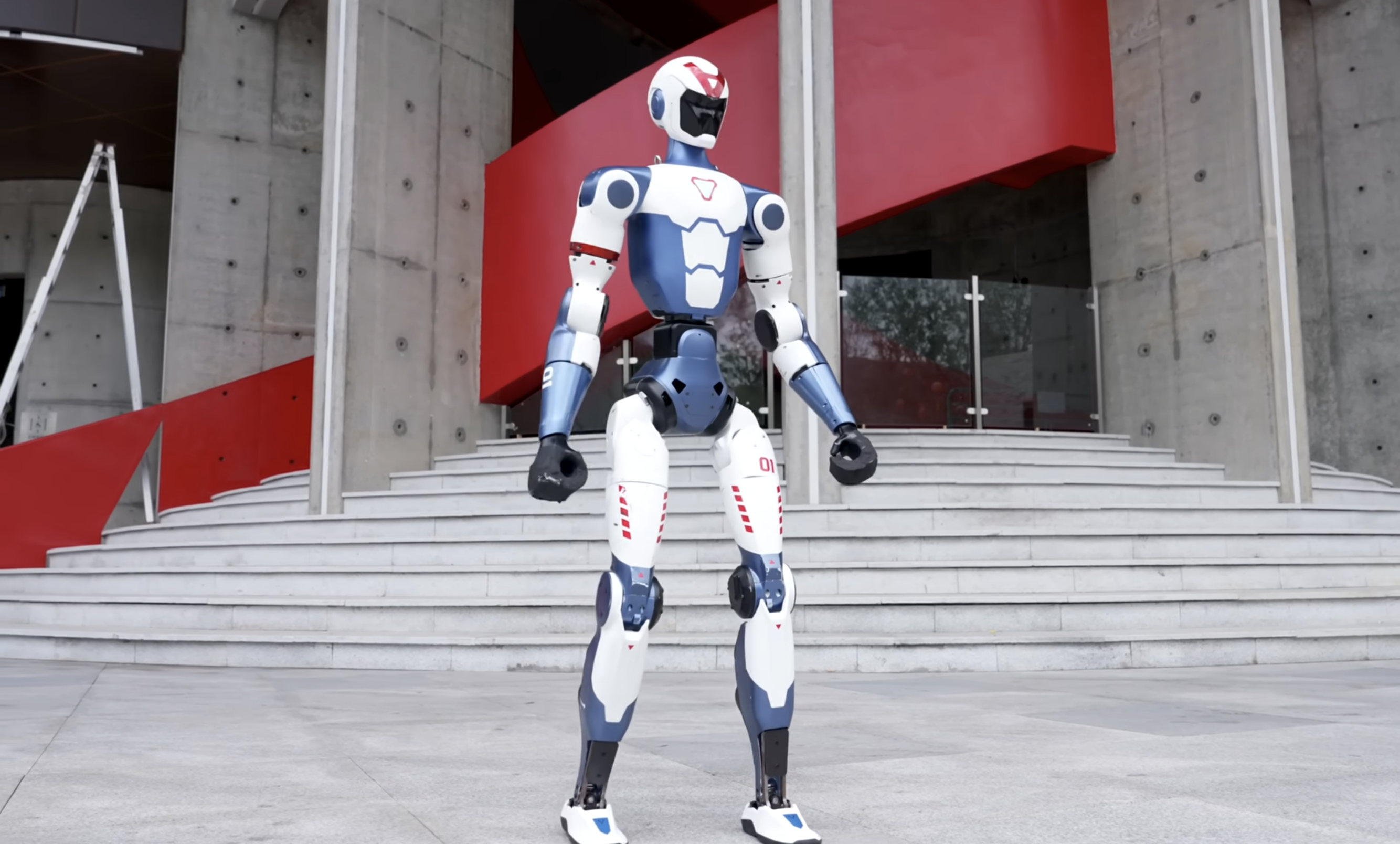
The R1 is designed to make humanoid robots accessible to a much wider audience.
With a starting price of around $4,900, it’s currently one of the least expensive commercial humanoid robots available.
Depending on the configuration, it offers between 20 and 26 degrees of freedom, along with built-in AI features such as:
Voice interaction
Vision capabilities
Basic autonomous behaviors
For many buyers, this is all they need.
If your goal is to:
own your first humanoid robot,
demonstrate humanoid robotics,
use it in classrooms,
or experiment with its built-in AI capabilities,
the standard R1 is likely the most cost-effective choice.
Who should choose the R1 EDU?
Developers who want to write their own software should instead consider the R1 EDU.
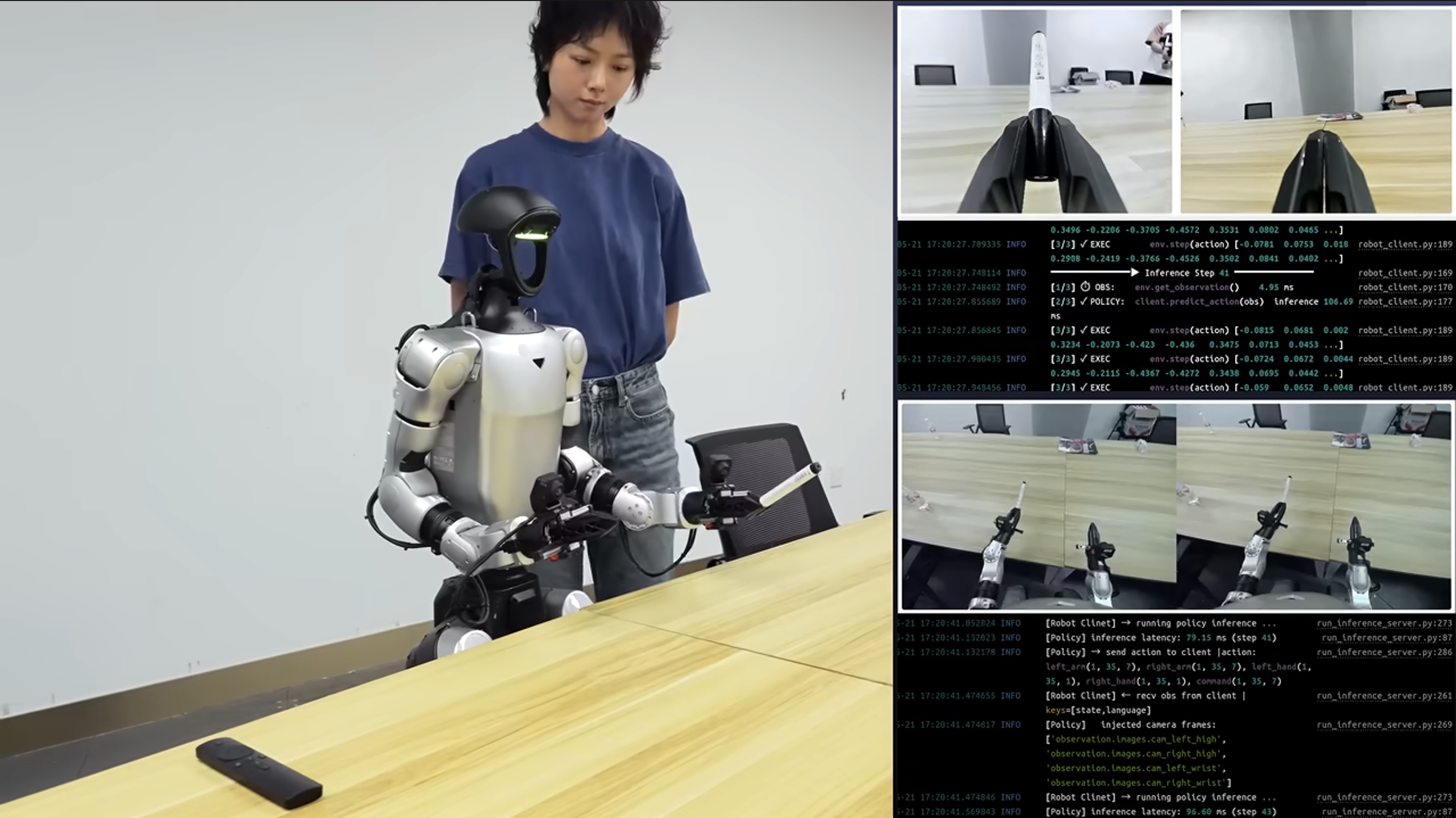
Unlike the consumer version, the EDU edition supports secondary development, allowing you to build custom applications and integrate the robot into your own robotics workflows.
Unitree G1: The Most Misunderstood Robot
cr. Unitree Robotics
The G1 has become Unitree’s flagship humanoid and is probably the model most people have seen online.
It also happens to be the one that creates the most confusion.
The key point is simple:
The G1 Basic and the G1 EDU are designed for completely different users.
G1 Basic
Starting at around $13,500, the Basic version is not intended as a robotics development platform.
This surprises many buyers.
Although the robot demonstrates impressive walking, balancing, and dynamic motion, it doesn’t provide the level of low-level programmability that researchers typically expect.
Instead, it’s designed for:
demonstrations
exhibitions
education
public presentations
showcasing humanoid capabilities
If your primary goal is simply to own an advanced humanoid robot that works out of the box, the Basic model is perfectly suitable.
G1 EDU: The Research Platform
If you’re planning to actually build humanoid AI, the G1 EDU is almost certainly the model you’re looking for.
The EDU version includes features required for robotics research, including:
Full SDK
ROS 2 support
NVIDIA Jetson onboard computing
Secondary development capabilities
Reinforcement learning workflows
Isaac Lab compatibility
MuJoCo integration
Robot manipulation research
Embodied AI development
This is the version commonly used by:
universities
robotics laboratories
AI startups
research institutions
developers building humanoid applications
What Do U1, U2, and U3 Mean?
Another common source of confusion is the naming of the G1 EDU variants.
Many people assume that U1, U2, and U3 are completely different robots.
They’re not.
Instead, they represent different hardware configurations of the same G1 EDU platform.
As you move up the lineup, Unitree adds features such as:
additional degrees of freedom
a 3-DOF waist
dexterous robotic hands
more capable onboard computing
expanded sensing capabilities
Rather than thinking of them as separate robots, it’s more accurate to think of them as increasingly capable versions of the same research platform.
The right configuration depends on the complexity of your intended applications and your available budget.
Unitree H2: Built for Industrial Robotics
cr. Unitree Robotics
The H2 is Unitree’s full-size humanoid robot.
Standing approximately 180 cm (5 ft 11 in) tall and starting at around $29,900, it’s aimed at organizations developing real-world humanoid applications rather than educational demonstrations.
Compared with the G1, the H2 offers:
significantly more powerful actuators
higher payload capacity
larger workspace
more onboard computing
greater suitability for industrial environments
Typical applications include:
warehouse automation
industrial manipulation
logistics
embodied AI research
advanced locomotion research
If you’re building commercial humanoid systems, the H2 is the natural step up from the G1.
Which Unitree Robot Should You Buy?
The best choice depends less on price than on what you actually want to accomplish.
Choose the R1 if…
You want the lowest-cost humanoid robot.
You’re new to humanoid robotics.
You want an educational platform or demonstration robot.
You don’t necessarily need full research capabilities.
Choose the R1 EDU if…
You want an affordable robot that you can program yourself.
You’re learning robotics software development.
You plan to build custom AI or robotics applications.
Choose the G1 Basic if…
You want an impressive humanoid robot that works out of the box.
Your primary use case is demonstrations, exhibitions, or education.
You don’t need low-level software development.
Choose the G1 EDU if…
You’re a robotics researcher.
You use ROS 2.
You develop reinforcement learning algorithms.
You work with Isaac Lab or MuJoCo.
You want a serious humanoid research platform.
For most developers and research groups, this is likely the best balance between capability and cost.
Your work involves warehouse automation or advanced embodied AI.
Budget is less important than capability.
Conclusion
Unitree’s product lineup can seem confusing at first, largely because several robots share similar names while serving very different purposes.
The easiest way to think about the lineup is this:
R1 → affordable entry-level humanoid
R1 EDU → affordable programmable humanoid
G1 Basic → showcase robot for demonstrations
G1 EDU → research and AI development platform
H2 → industrial humanoid for commercial applications
Once you understand the intended audience for each model, the naming becomes much easier to navigate.
The real question isn’t “Which Unitree robot is the best?”—it’s “Which one best matches what you’re trying to build?”
Whether you’re taking your first steps into humanoid robotics or developing the next generation of embodied AI systems, choosing the right platform from the beginning will save both time and money.
Choosing the right robot is only the first step.
If your goal is to build, program, and train humanoid robots, you’ll need much more than the hardware.
The Humanoid Robotics Masterclass at The Construct Robotics Institute is a hands-on online program that teaches the complete humanoid robotics stack—from mechanical design and electronics to control, ROS 2, simulation, reinforcement learning, whole-body control, teleoperation, and Vision-Language-Action (VLA) models. You’ll also gain practical experience programming the Unitree G1 in both simulation and on real hardware.
Whether you’re preparing for a career in humanoid robotics or building your own embodied AI applications, the Masterclass is designed to help you develop the skills that matter.
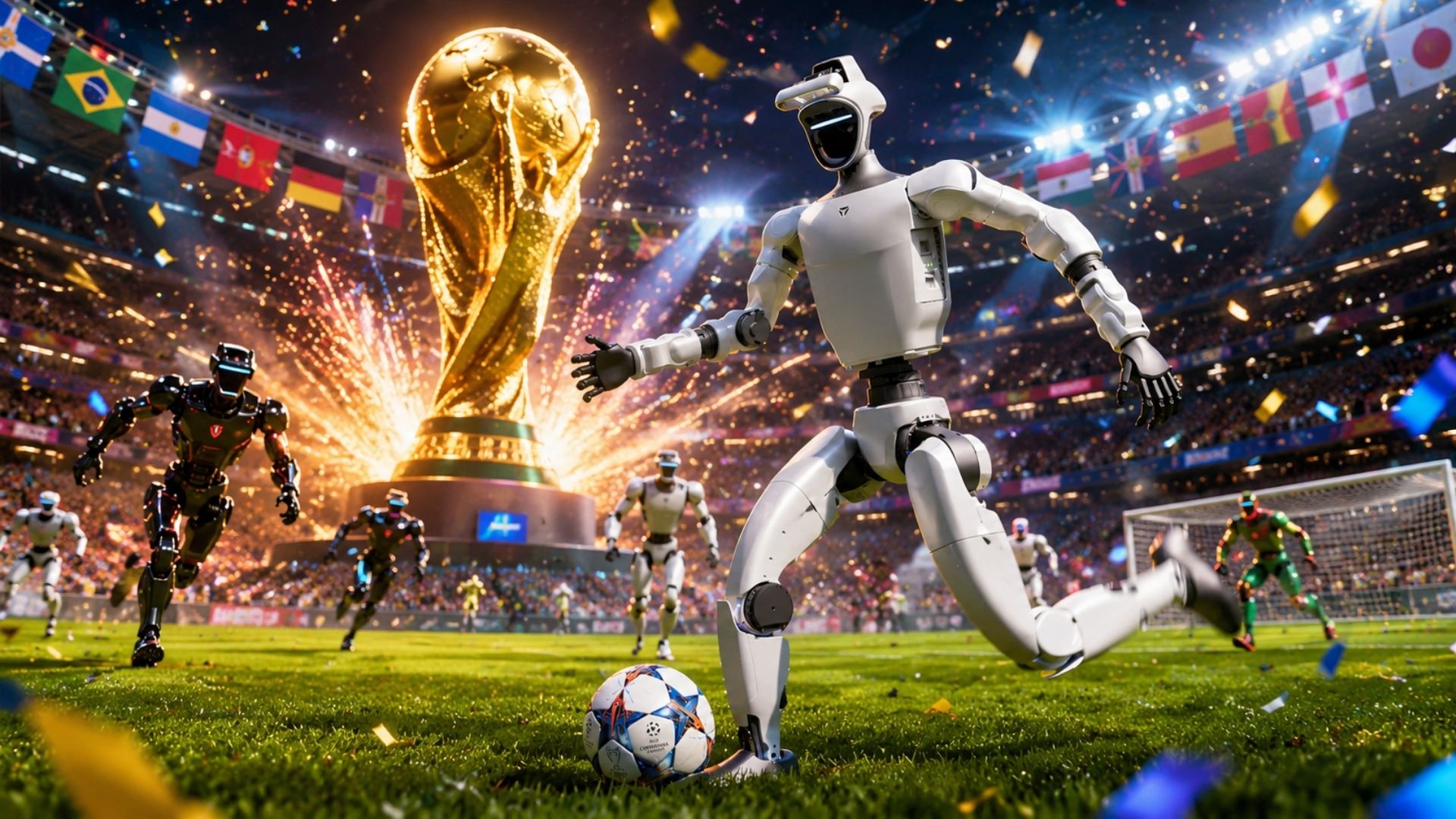
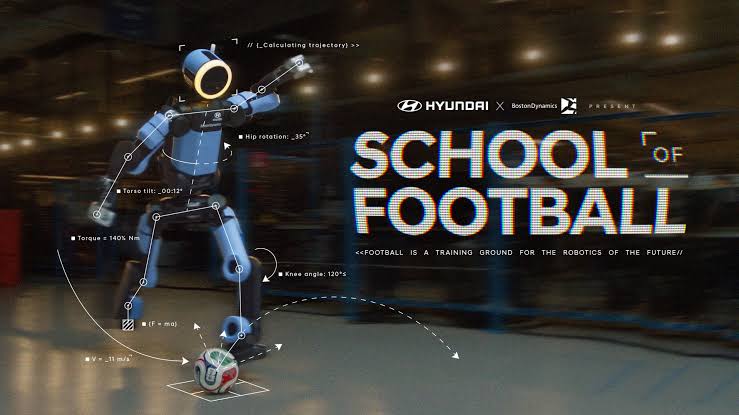
The FIFA World Cup is happening right now, and like millions of others around the world, football fans are following every match. But recently, another football video has been drawing attention online—not because of an incredible goal or a dramatic upset, but because the players are robots.
Humanoid robots, playing football. And surprisingly well.
For anyone who remembers what robot football looked like years ago, the progress is astonishing. It also serves as the perfect introduction to one of the most fascinating competitions that almost nobody outside the robotics community talks about.
cr. Hyundai Motor Group
The Competition Nobody Talks About
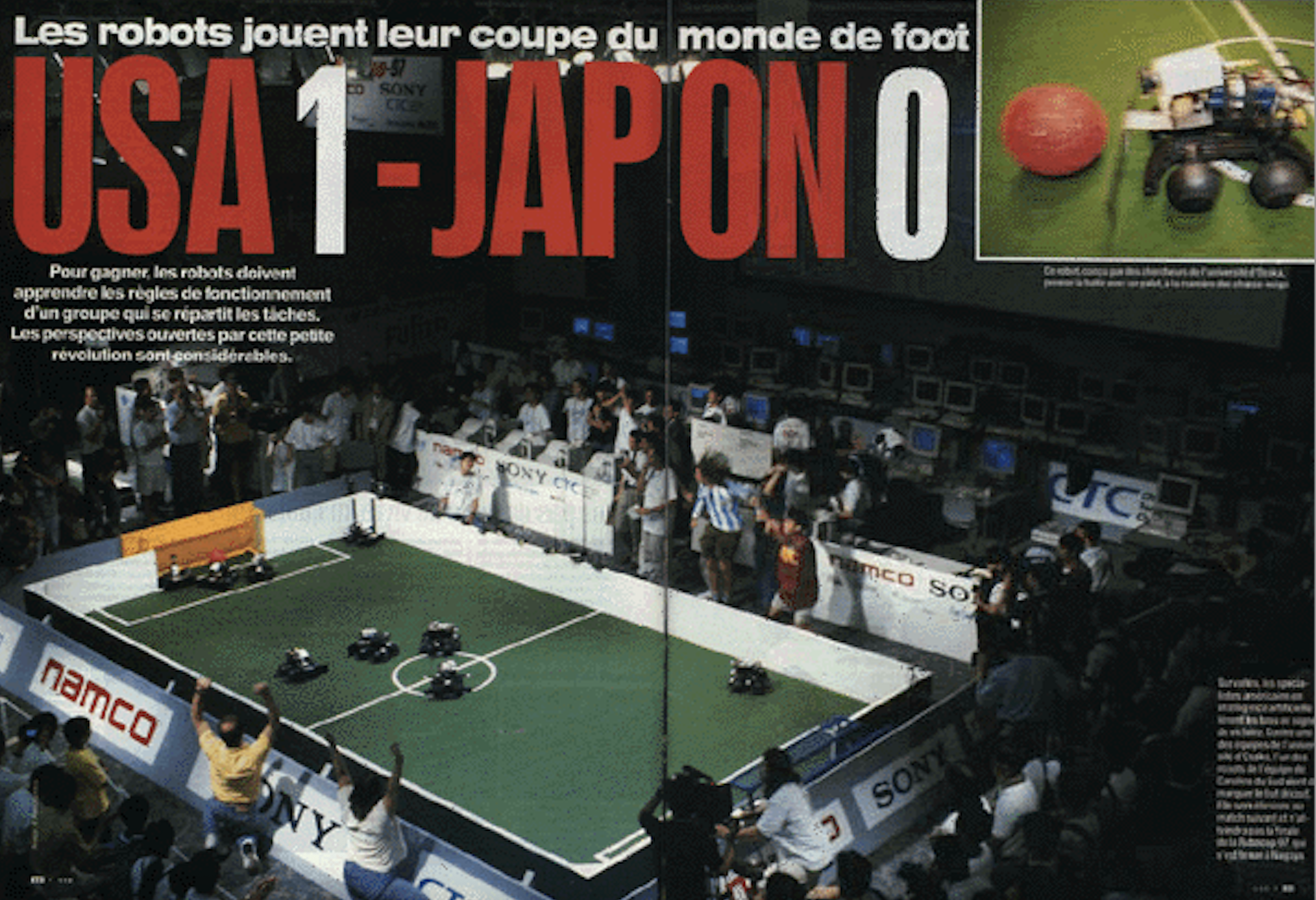
Since 1997, a competition called RoboCup has brought together students, researchers, and engineers from around the world to compete in autonomous robot football.
Each team designs and builds its own robots, but once the match begins, there is no remote control and no human operator telling them what to do. The robots must see the field, locate the ball, recognize teammates and opponents, make decisions, and execute every movement entirely on their own.
The official goal of RoboCup has remained unchanged since the competition began: to build a team of humanoid robots capable of defeating the best human football team in the world by 2050.
Back in the late 1990s, that sounded almost like science fiction.
Today, it sounds far more realistic.
cr.Sony CSL
When Robot Football Was More Comedy Than Competition
In 2007, RoboCup took place in Atlanta, where one of the participating teams experienced the competition firsthand—although not from the winner’s podium.
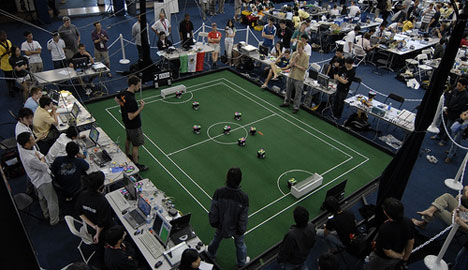
At the time, the robots were hardly intimidating. They were relatively small, moved slowly, frequently bumped into one another, occasionally kicked the ball in completely the wrong direction, and sometimes simply fell over for no obvious reason.
The matches looked less like professional football and more like a very confusing school play.
Nobody watching those games seriously believed that these machines would one day challenge the world’s best football players. If anything, the robots were simply entertaining to watch.
cr. core77
Then Everything Changed
Fast forward to 2025.
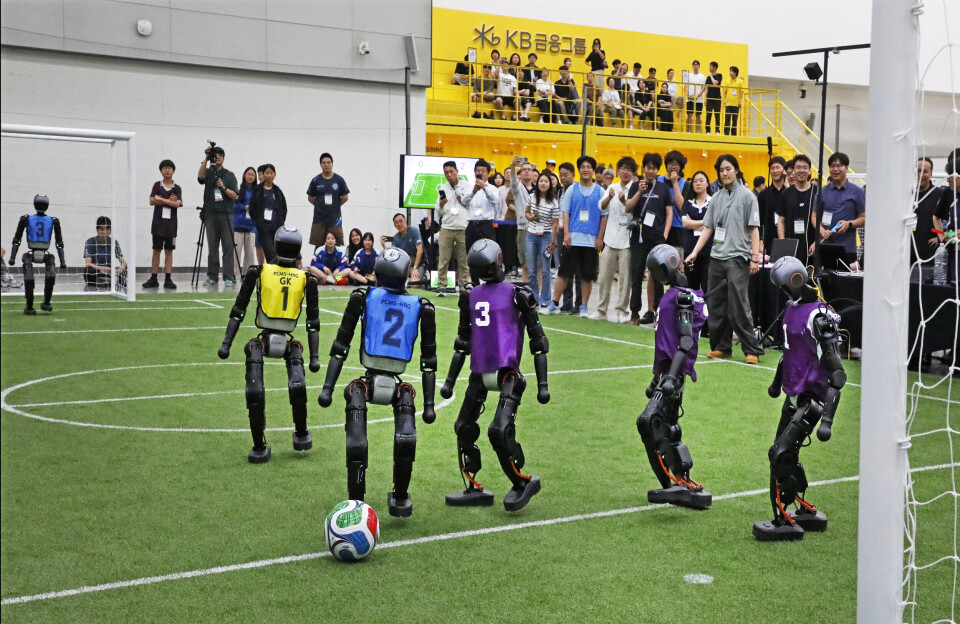
The RoboCup competition in Brazil revealed just how dramatically humanoid robotics had advanced. The robots were no longer stumbling around the field; they were running with confidence, passing to teammates, coordinating attacks, recovering the ball, and scoring goals. At certain moments, the footage genuinely looked like a real football match rather than a robotics demonstration.
Only a few months later, the team B-Human dominated a major robot football tournament in Germany, winning matches by scores of 6–1 and 4–1. Those were not victories that were merely “impressive for robots.” They were simply convincing wins.
And now, as RoboCup 2026 takes place in Korea, even more improvements are expected.
cr. Korea JoongAng Daily
Are We Closer Than Anyone Expected?
When RoboCup was founded, 2050 felt comfortably far away.
Nearly three decades later, the pace of progress invites an interesting question: was that original deadline actually too conservative?
Recent footage shows humanoid robots behaving more and more like human players. Their movements are smoother, their teamwork is more coordinated, and their decisions are increasingly sophisticated. Watching those videos, it is easy to feel as though the RoboCup dream is almost within reach.
The reality, however, is more nuanced.
Humanoid robots have made remarkable progress, but several major challenges remain before they can compete with elite human athletes. Their perception systems still need to become significantly faster and more reliable so they can understand complex situations and build an accurate model of the game in real time. Their autonomy also needs substantial improvement, reducing dependence on external computing resources, while decision-making, reaction speed, balance, and adaptability all continue to be active areas of research.
In other words, the goal is getting closer—but there is still plenty of work left to do.
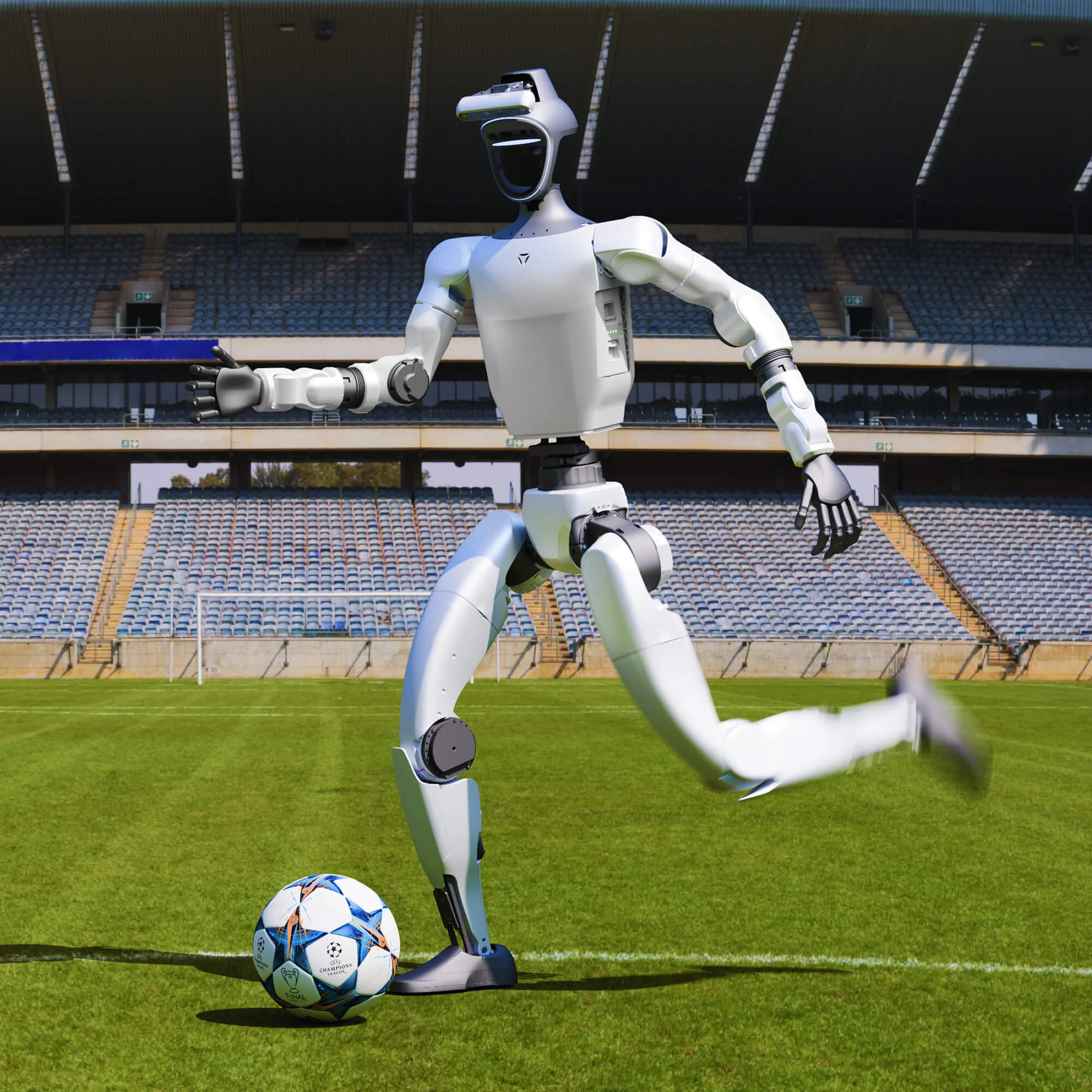
cr. Unitree Robotics
The Perfect Time to Join the Revolution
That remaining work is exactly what makes humanoid robotics such an exciting field today.
The technologies that will eventually make RoboCup’s 2050 vision possible are still being invented, which means there is plenty of room for the next generation of engineers, roboticists, and AI developers to make meaningful contributions.
For anyone who wants to be part of that journey, learning how humanoid robots are built, programmed, and controlled is the natural place to start. A solid understanding of perception, locomotion, motion control, and autonomous decision-making provides the foundation for building robots capable of competing in RoboCup—and perhaps one day, against human teams.
If you want to be part of the robotics revolution, start with the Humanoid Robotics Masterclass—a complete online program that teaches you everything you need to know about humanoid robots. You’ll learn how to build and program them, and even prepare to participate in RoboCup.
A Bold Prediction
By the time the next FIFA World Cup arrives in 2030, seeing a humanoid robot team playing an exhibition match alongside the tournament may no longer seem like science fiction.
If you want to be part of that future, join the Humanoid Robotics Masterclass and start building and programming humanoid robots today.
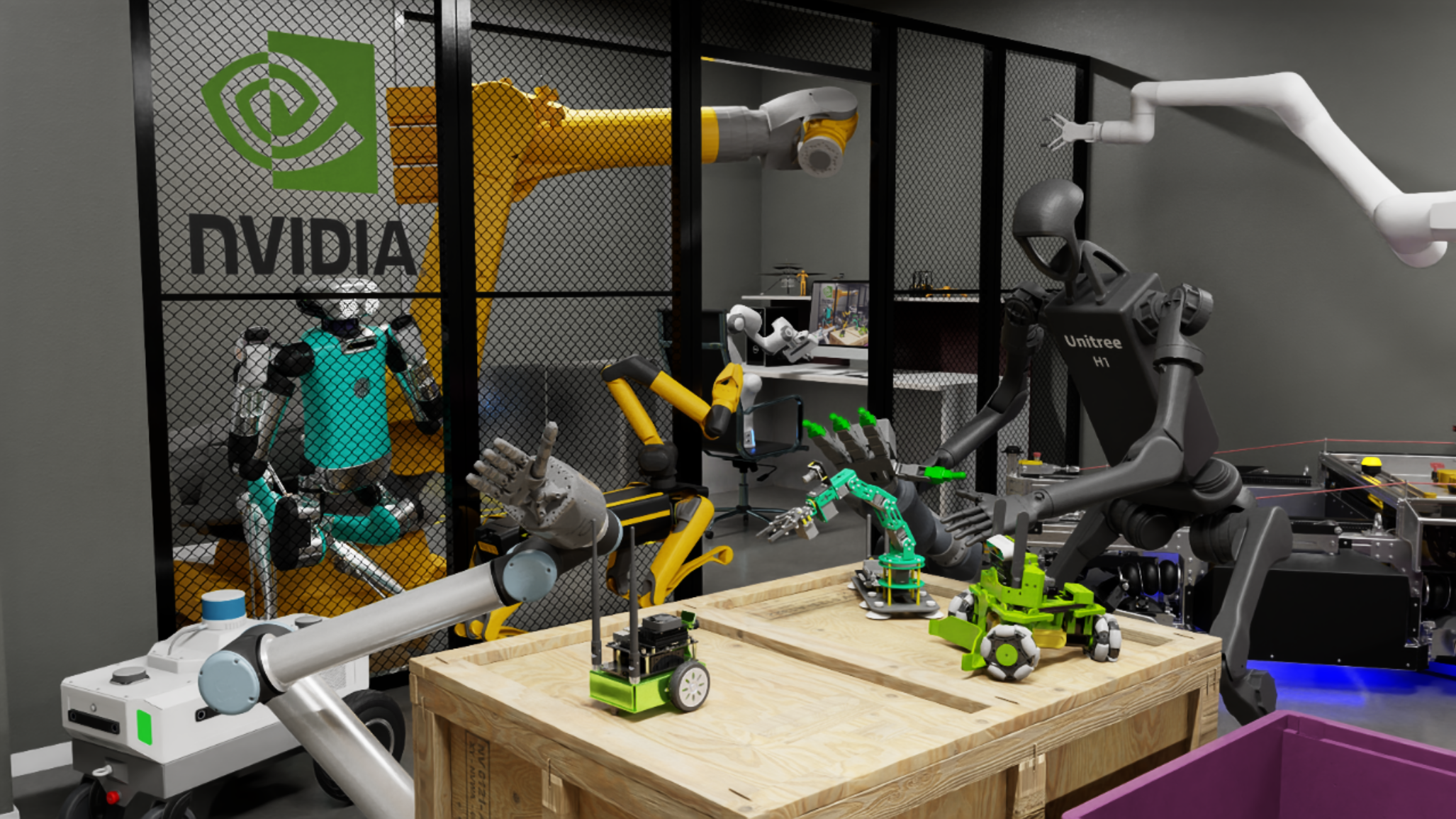
If you’re starting to explore Embodied AI or humanoid robotics, you’ll quickly encounter these tools.
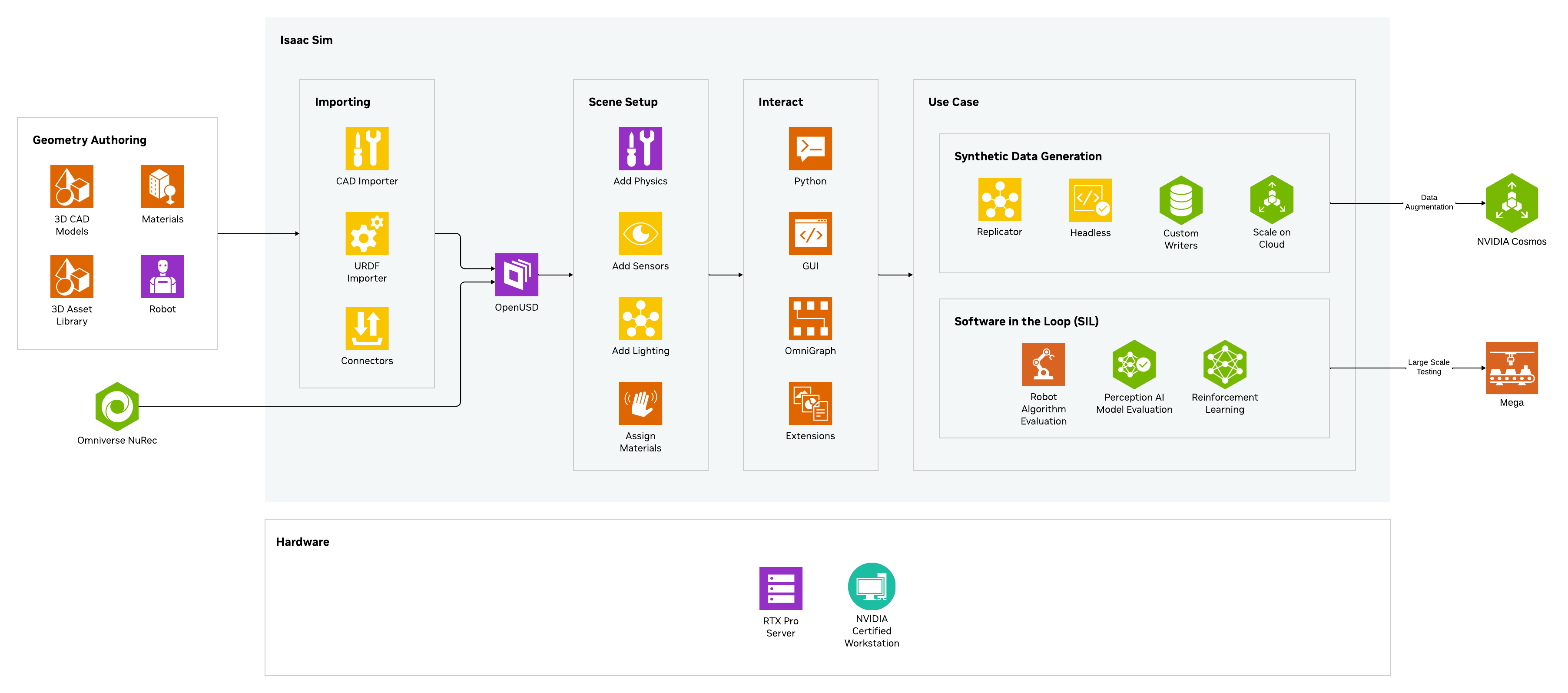
They’re all part of NVIDIA’s robotics simulation ecosystem, but they serve different roles in the development pipeline.
Here’s a quick overview.
🌐 Omniverse
An open platform for building virtual worlds and digital twins.
• Built on USD (Universal Scene Description), enabling interoperability across tools like Blender and Maya
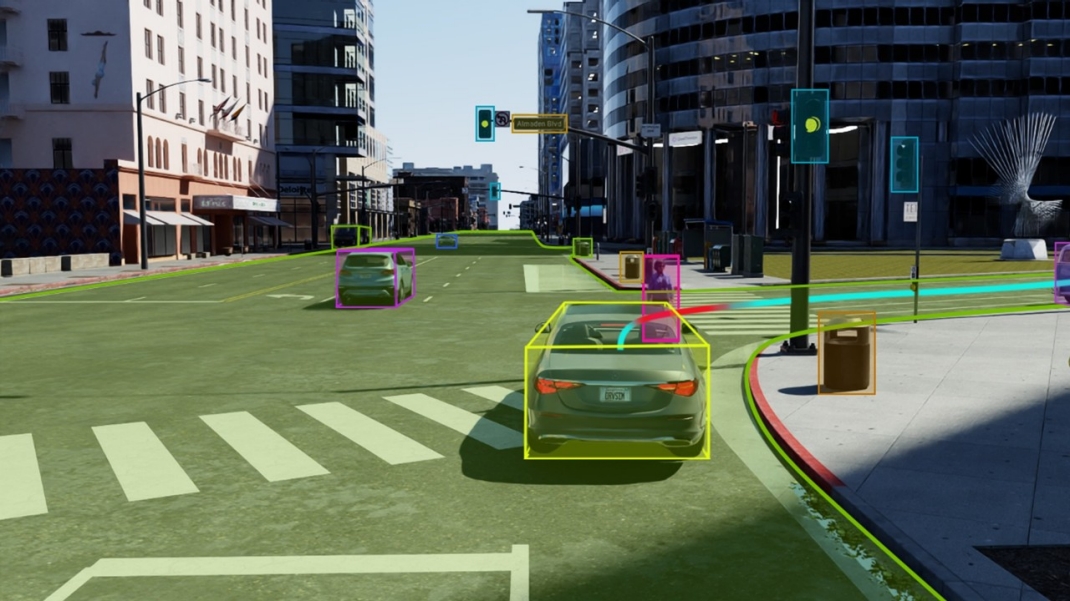
• Provides high-quality rendering and real-time physics simulation
• It serves as the foundational platform for tools like Isaac Sim, providing the underlying simulation and rendering capabilities.
🤖 Isaac Sim
A robotics simulation platform built on Omniverse for building and testing robotic systems.
• High-fidelity physics simulation (robot dynamics + sensors)
• Integration with ROS / ROS2
• Highly extensible for robotics workflows
This is where you simulate robots and their environments.
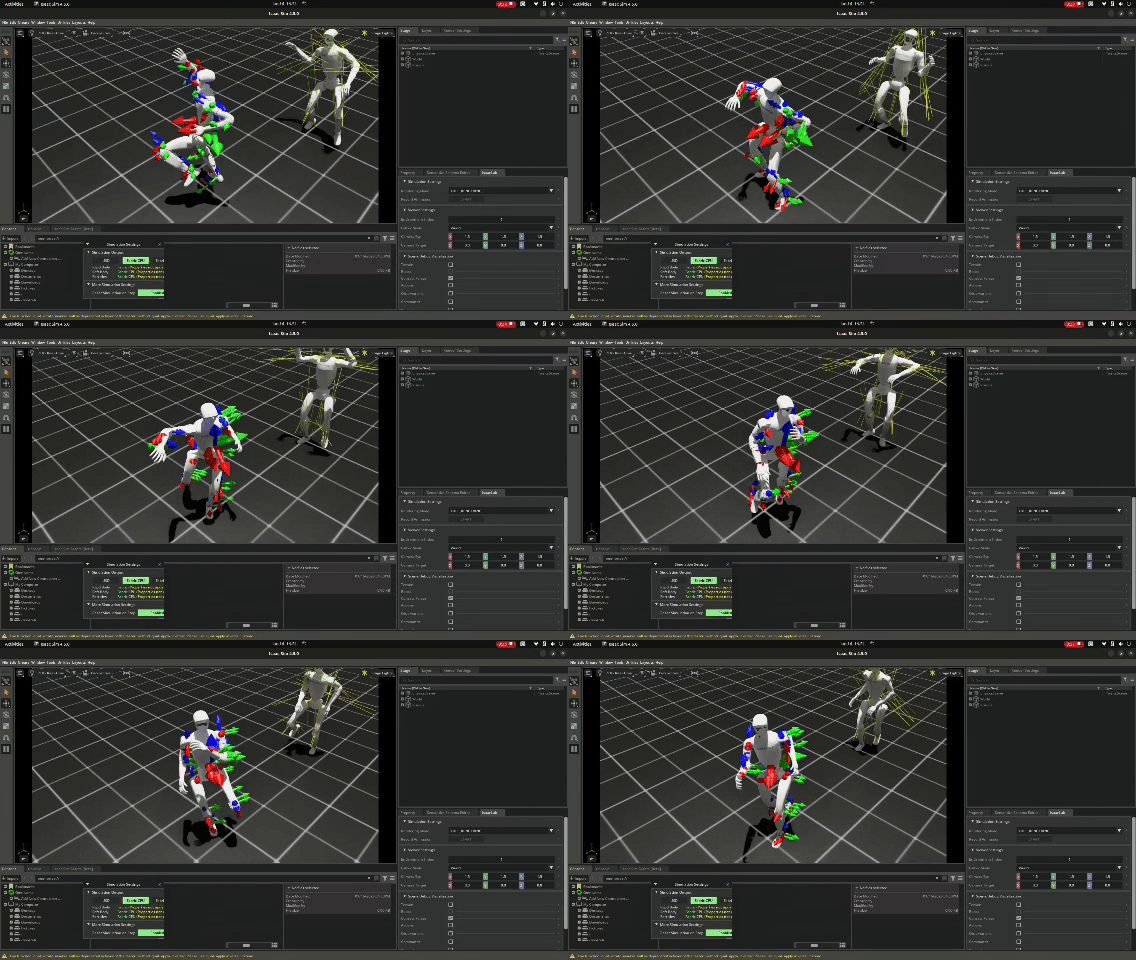
🔵 Isaac Lab
A lightweight toolkit for robot learning and AI development, built on top of Isaac Sim’s simulation capabilities. Primarily used for training robot policies. And it is open-source.
• Prebuilt robot models and task environments
• Support for Reinforcement Learning (RL) and Imitation Learning (IL)
• Works with multiple robot types (mobile robots, manipulators, humanoids)
Isaac Lab is where robot policies are trained.
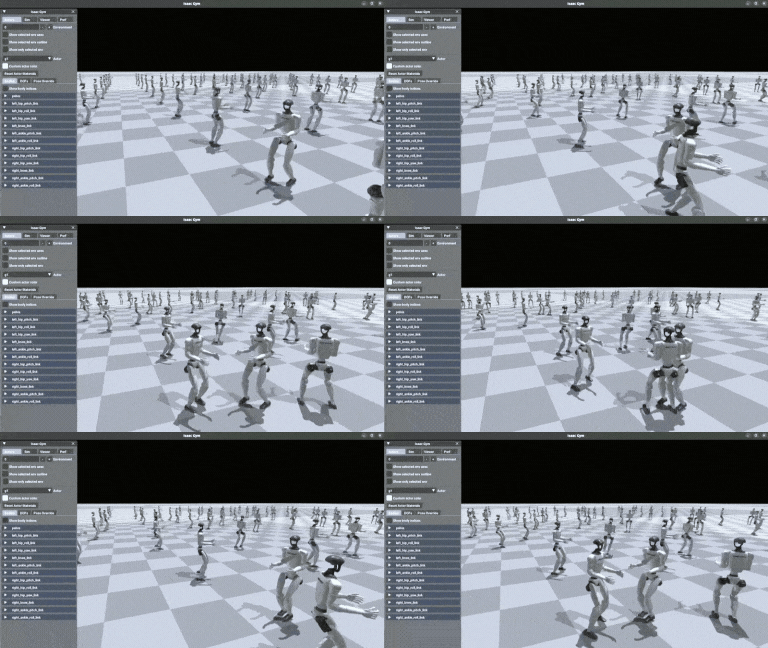
🌀 Isaac Gym
A GPU-accelerated simulator designed for large-scale reinforcement learning.
• Supports algorithms like PPO and SAC
• No high-fidelity rendering
• Limited interaction modeling
It has largely been replaced by Isaac Lab and is no longer actively maintained, but remains easy to use.
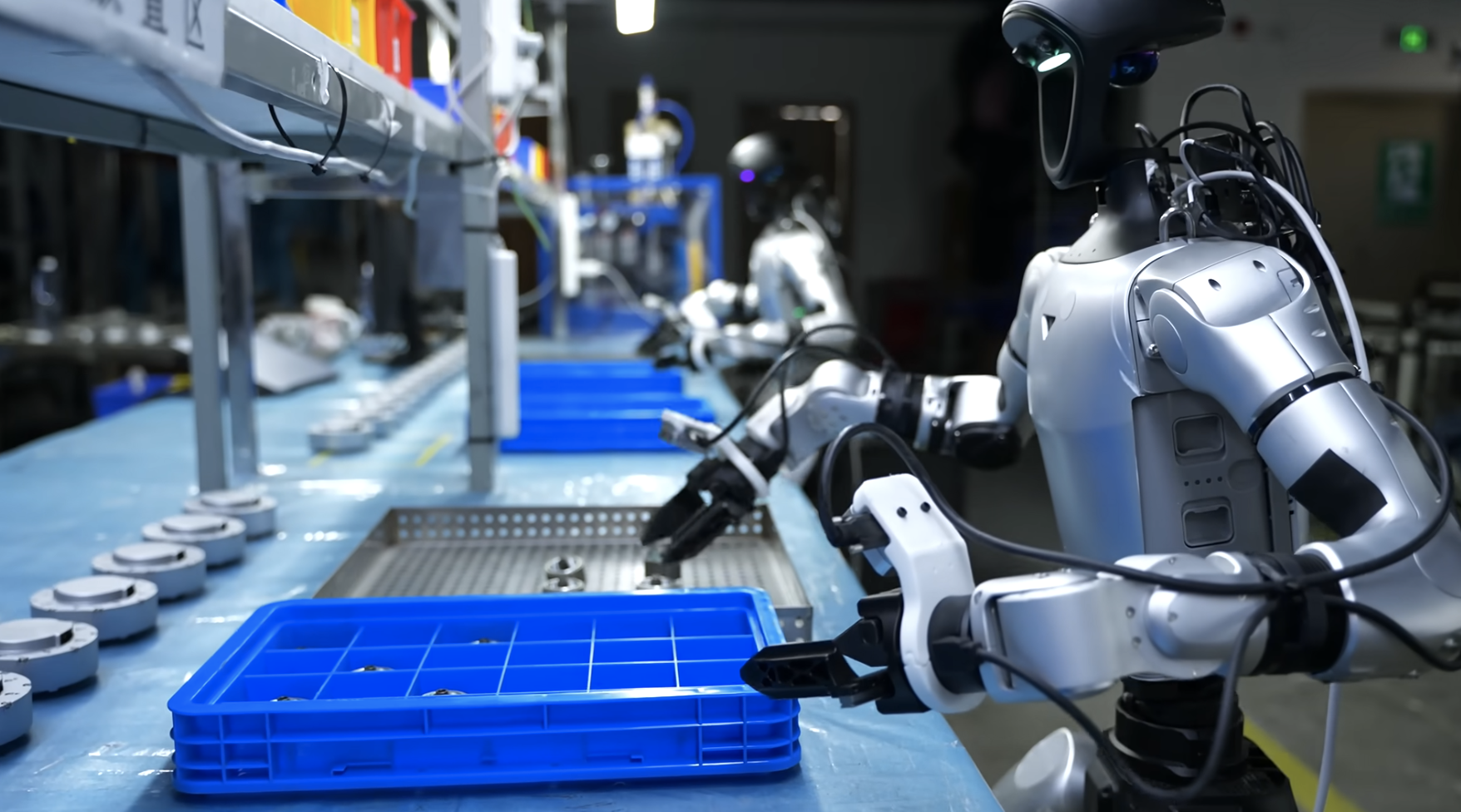
In recent years, humanoid robotics has seen a significant rise in both media exposure and industry attention. From factory demonstrations to reinforcement learning–driven motion showcases, the field appears to be approaching a turning point. A common narrative suggests that humanoid robots are on the verge of entering real-world production environments.
However, from an engineering perspective, this conclusion remains premature.
Demo Capabilities vs. Deployment Readiness
Most publicly demonstrated humanoid robot capabilities fall into a few key categories:
Reinforcement learning–based locomotion and balance
While these achievements are technically meaningful, their deployability is often overstated.
First, most demonstrations rely on highly structured environments. Task setups typically involve fixed object positions, controlled lighting, and minimal external disturbances. These conditions are optimized for success but differ significantly from real-world industrial or domestic settings.
Second, human supervision is still a critical component. Even when not fully teleoperated, many systems require real-time monitoring and intervention for error handling. Without human fallback, system reliability drops substantially.
Third, execution speed and efficiency do not meet industrial requirements. Current humanoid systems are still far from matching the cycle times, consistency, and throughput expected in production environments.
Finally, success cases are selectively presented. Public demos rarely include failure rates, recovery times, or long-duration performance metrics—yet these are essential for evaluating real-world viability.
A Shift in Control Paradigm: From Model-Based to Learning-Based
From a technical standpoint, humanoid robotics has undergone a significant shift in control methodology.
Earlier systems relied heavily on model-based control, such as Zero Moment Point (ZMP) approaches. These methods depend on precise mathematical models to compute stable motion. While interpretable, they are highly sensitive to modeling errors and struggle in unstructured environments.
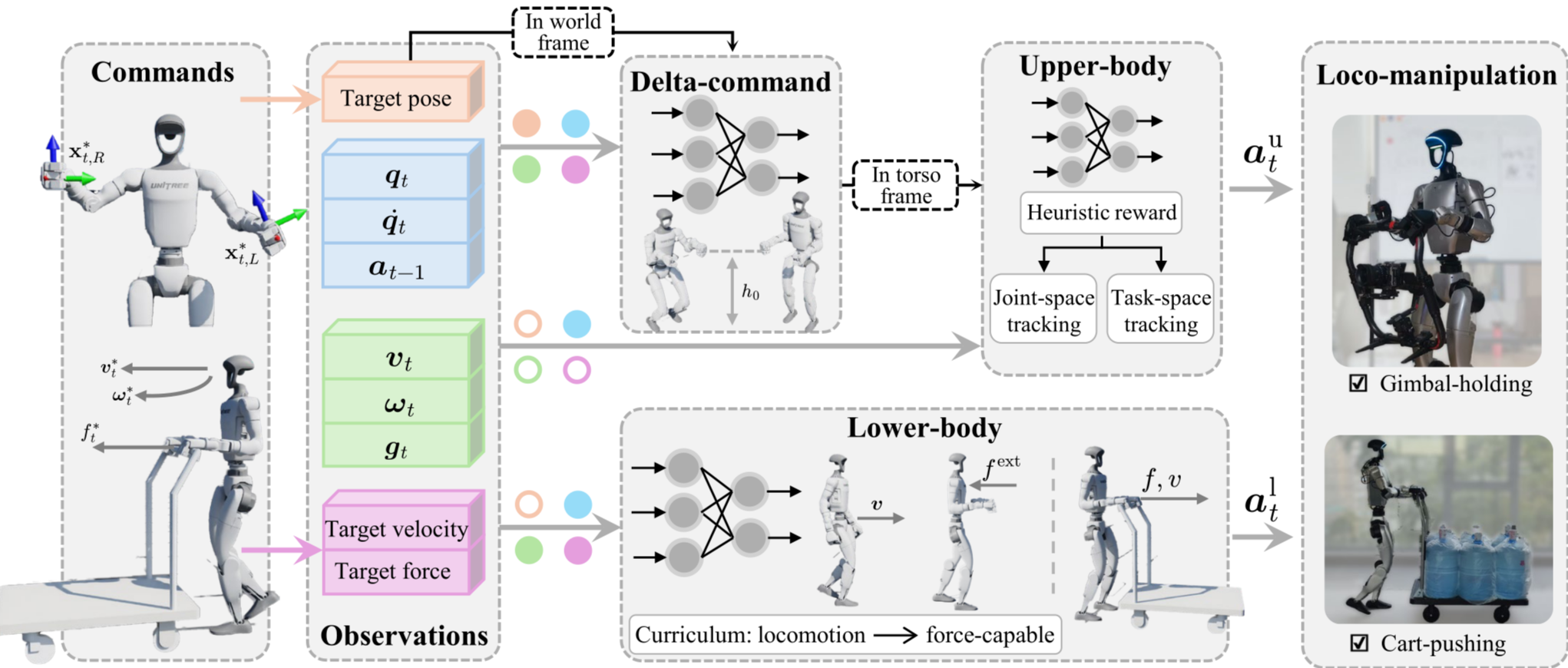
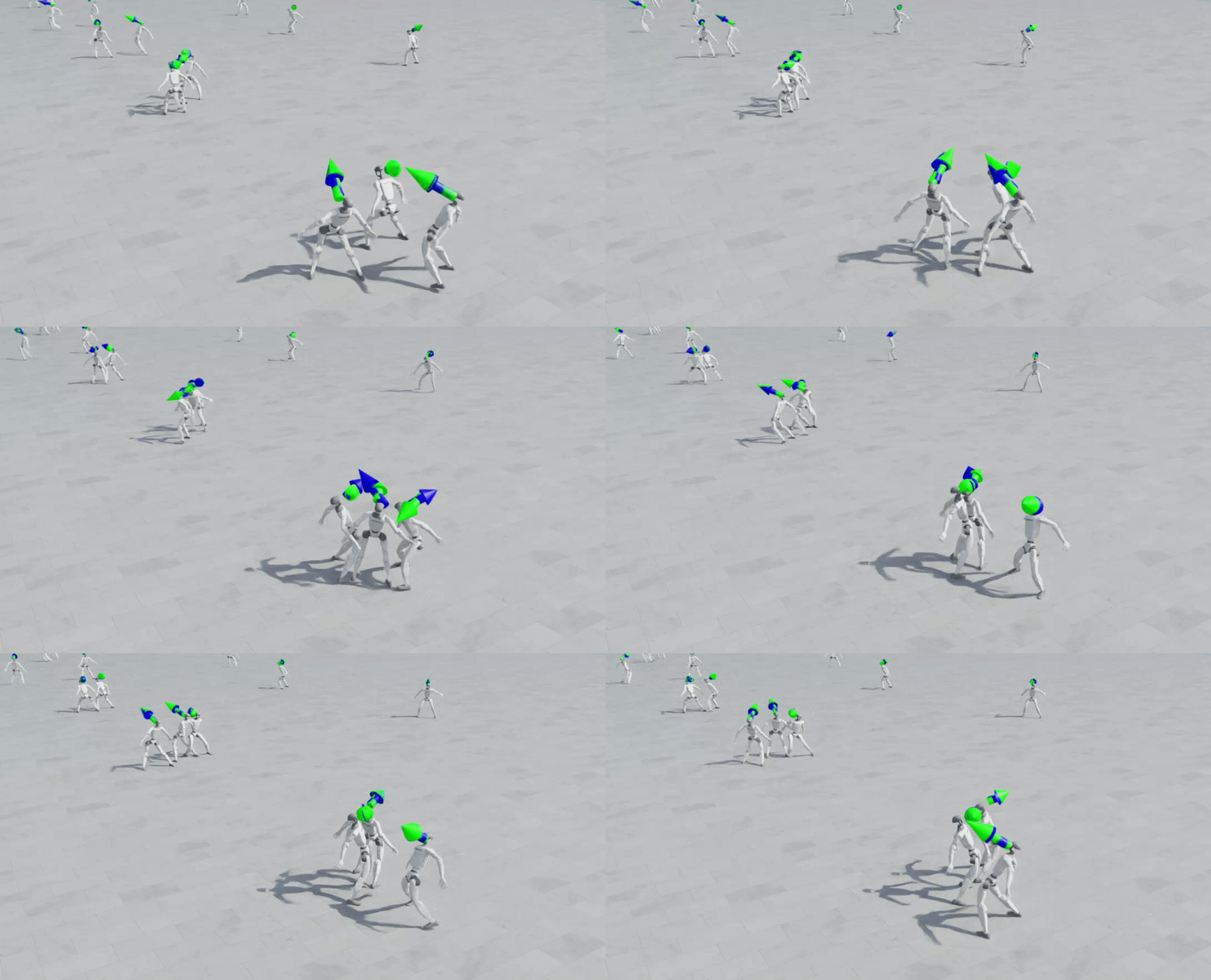
More recently, the field has transitioned toward reinforcement learning–based policy learning. By training neural networks in simulation, robots can learn mappings from sensory inputs to motor actions, enabling more adaptive and robust behaviors.
This shift has led to clear improvements:
More natural and robust locomotion
Better adaptation to uneven terrain and disturbances
Reduced reliance on precise analytical models
However, it is important to note that these advances are largely confined to locomotion, not full task execution.
The Core Bottleneck: From Motion to Task Competence
A common misconception is equating improved motion capabilities with real-world task readiness.
A deployable humanoid robot must integrate multiple subsystems:
Perception: robust understanding of complex environments
Manipulation: reliable interaction with diverse objects
Planning and reasoning: consistency over long task horizons
System reliability: stability and recovery under failure conditions
At present, these components are not yet integrated into a reliable, end-to-end system. Progress in locomotion does not directly translate into task-level competence.
Incremental Optimization vs. Paradigm Shift
Current industry efforts are largely focused on incremental improvements within an existing framework:
Larger models
More efficient training pipelines
Higher-fidelity simulation environments
Improved hardware integration
While valuable, these are refinements rather than fundamental breakthroughs. Their long-term impact is bounded by the limitations of the current paradigm.
Bridging the gap between demonstration and deployment may require a new paradigm, potentially involving more mature embodied AI frameworks or unified perception–action architectures.
Such paradigm shifts typically:
Show limited early results
Require long-term investment
Are difficult to commercialize in the short term
This helps explain why relatively few organizations are pursuing them aggressively.
Practical Engineering Alternatives
From an application standpoint, if the goal is task execution rather than demonstration, humanoid robots are often not the most practical solution.
In many industrial contexts, systems such as:
Mobile manipulators
Fixed robotic arms with structured workflows
offer superior:
Reliability
Speed
Cost efficiency
Engineering maturity
The primary advantage of humanoid form factors—compatibility with human environments—has not yet translated into practical productivity gains.
Conclusion: Promising Progress, Limited Readiness
In summary, humanoid robots have made meaningful progress in motion control, but remain at an early stage in terms of system-level task execution.
The current state of the technology is better described as:
“impressive demonstrations” rather than “deployable systems.”
For companies and practitioners, a more grounded approach would be to:
Evaluate technologies based on real operational requirements
Avoid overinterpreting curated demos
Focus on long-term developments rather than short-term hype
Humanoid robotics remains a promising direction, but its large-scale adoption will likely depend on the next major paradigm shift—not incremental improvements within the current one.
If your team is exploring humanoid robotics, this 3-day intensive humanoid RL training is designed to take you from zero setup to a real humanoid demo in just 3 days:
• Sim-to-real reinforcement learning workflows • RL for locomotion and whole-body control • Vision-Language-Action (VLA) models for humanoid skills • Deployment on real humanoid robots.