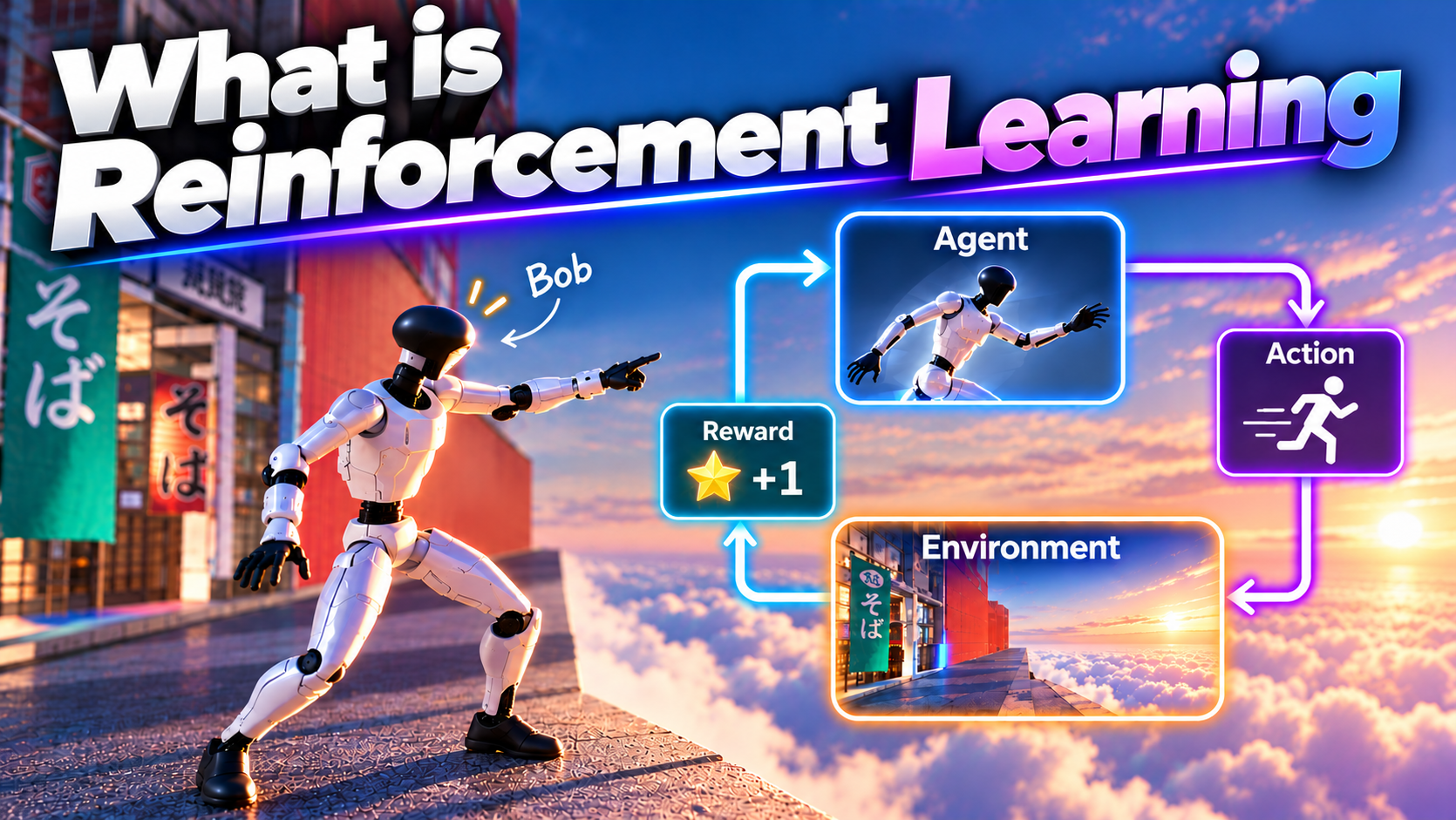

Reinforcement learning (RL) is a way to train AI to make decisions by learning from experience. Instead of following a fixed set of instructions, an AI tries different actions, observes what happens, and learns which choices lead to better results.
Imagine teaching a robot to walk without telling it exactly how to move. It tries, falls, adjusts, and tries again. Over time, it can learn to move more effectively.
That’s the basic idea behind reinforcement learning: learn by doing and improve through feedback.
1. How Does Reinforcement Learning Work?
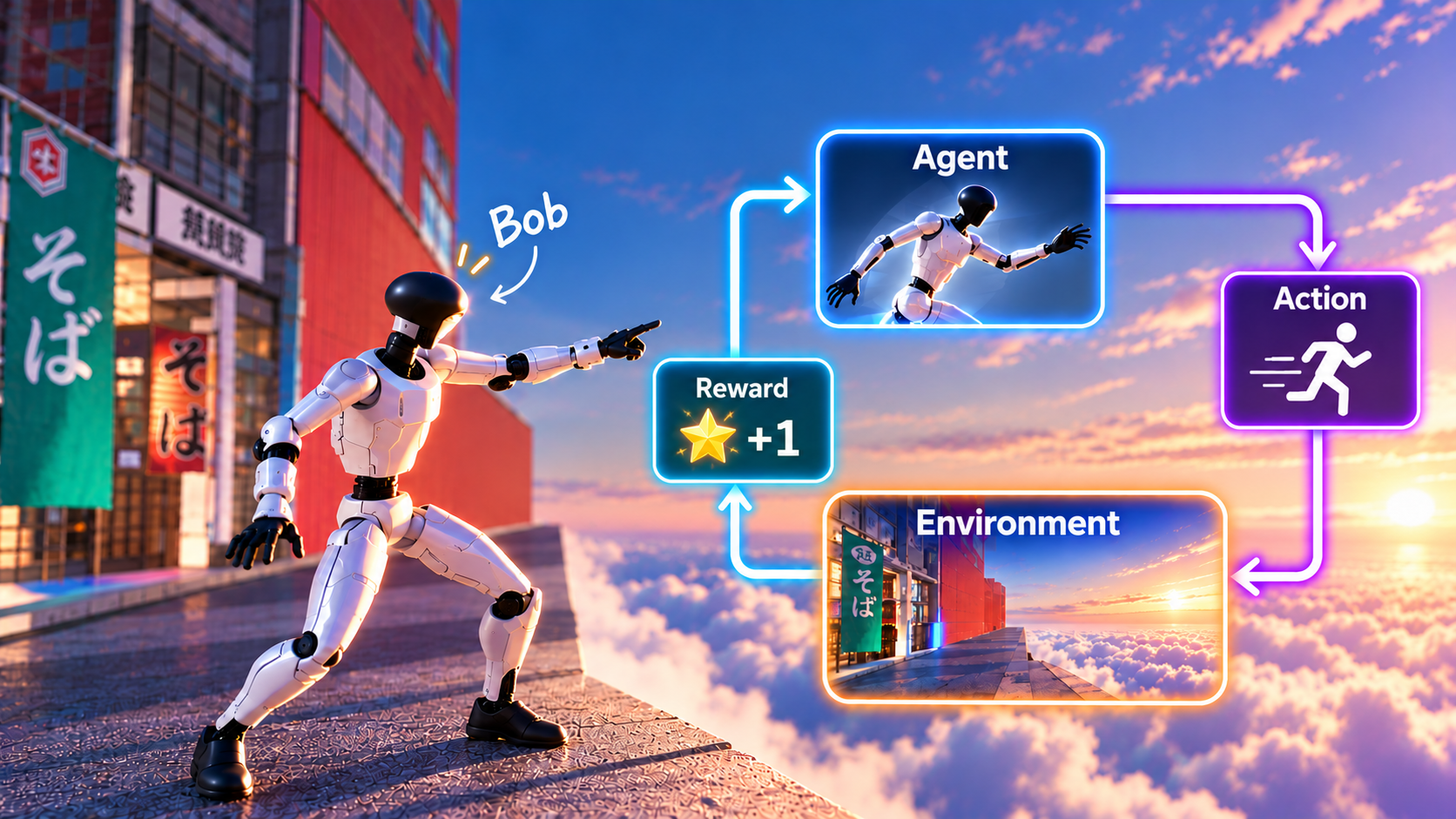
Let’s meet Bob, a robot with a simple mission: reach a battery across the room.
To complete this task, Bob needs four things:
- Agent: The learner making decisions—in this case, Bob.
- Environment: The world Bob interacts with, including the room, walls, and battery.
- Actions: What Bob can do, such as moving forward or turning left.
- Rewards: Feedback that tells Bob whether an outcome is desirable.

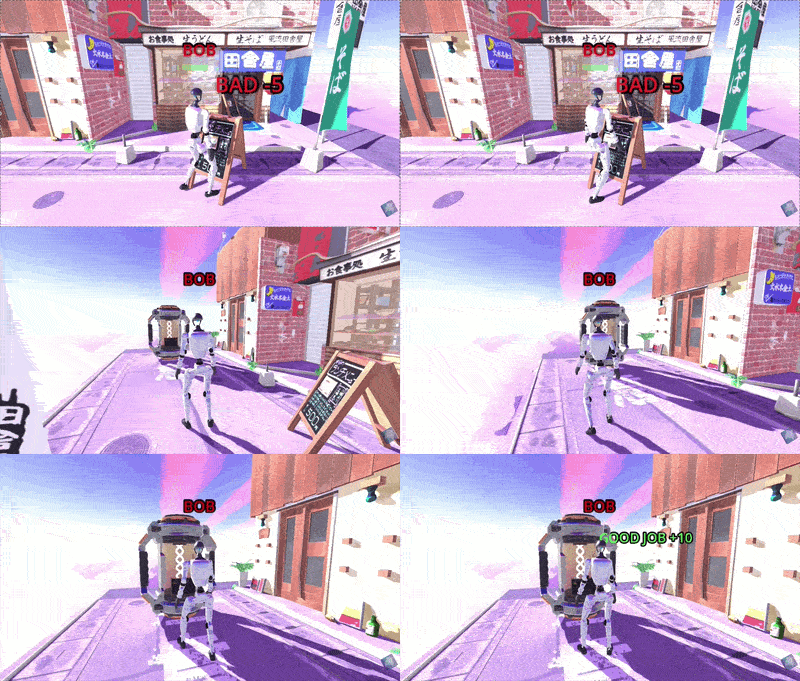
We can give Bob +10 points for reaching the battery, −5 for hitting a wall, and −0.1 for every second he wastes.
At first, Bob will probably make plenty of mistakes. He might turn the wrong way or run straight into a wall. But each attempt gives him experience, helping him discover which actions work better.
Over time, Bob can learn a strategy for choosing what to do in different situations. In reinforcement learning, this strategy is called a policy.
In simple terms, a policy answers one question: Given what I know right now, what should I do next?
2. Why Not Just Program the AI?
For simple tasks, we can give a robot explicit instructions. But real-world environments are unpredictable. Furniture moves, floors get slippery, and unexpected obstacles appear.
Trying to program a rule for every possible situation quickly becomes complicated.
Reinforcement learning offers another approach: define a goal, provide feedback through rewards, and let the AI learn a strategy through experience.
This doesn’t mean the AI will automatically figure everything out. Its success depends on the learning method, the quality of the reward system, and the experiences it receives. But for tasks involving many possible actions and changing conditions, it can be a powerful alternative to manually programming every decision.
There’s one catch, though: learning through trial and error can be expensive and potentially dangerous when using real robots.
That’s why researchers often use simulation. A virtual environment lets robots practise, fail, and try again without damaging physical hardware. Researchers can also reset the environment quickly and test different conditions. Once a strategy is learned, they can evaluate it on a real robot, although some adjustments may still be needed.
3. Where Is Reinforcement Learning Used?
Reinforcement learning is useful when an AI needs to make decisions over time and its actions affect what happens next.
Some common applications include:
- Robotics: Learning to grasp objects, manipulate items, and control movement.
- Navigation and walking: Finding routes, avoiding obstacles, and learning how to move.
- Games: Developing strategies by playing repeatedly and learning from the results.
- Decision-making: Choosing actions that help achieve longer-term goals.
The key difference is that recognizing a situation and deciding what to do are two different problems.
For example, identifying a wall is one thing. Learning how to move around it efficiently is another. Reinforcement learning can help AI tackle the second challenge.
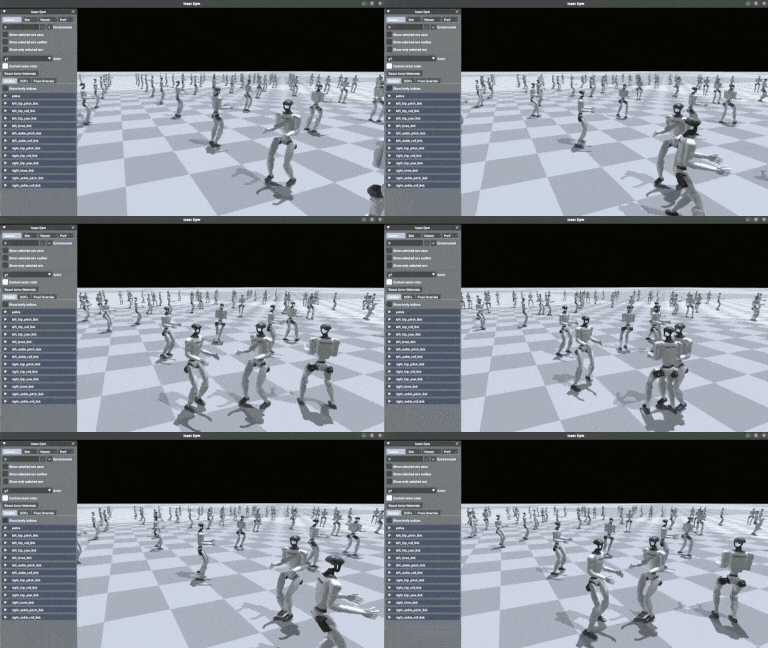
4. So, Why Does AI Need Reinforcement Learning?
AI doesn’t just need to recognize patterns or make predictions. In many applications, it also needs to take actions and learn from their consequences.
Reinforcement learning provides a way to develop that decision-making ability through experience. Rather than relying entirely on fixed instructions, an agent learns which actions tend to lead to better outcomes.
It’s not the right tool for every AI problem, and training can require many attempts. Reward systems also need to be designed carefully, because an AI may learn unexpected behaviors if the rewards don’t reflect the real goal.
But for robotics and other tasks where decisions have consequences, reinforcement learning offers a valuable way to teach AI how to act.
In a nutshell: An agent takes actions, receives rewards, and learns a policy that helps it make better decisions over time.
Understanding reinforcement learning is a starting point, but applying these principles to physical systems introduces new challenges. This is where Physical AI comes in, combining AI with the ability to perceive, interact with, and act in the real world.
The Physical AI Robotics Masterclass takes you from AI foundations to developing full-stack robotics expertise, equipping you with the skills to design, train, and deploy robots with embodied intelligence.
More Info: theconstruct.ai/physical-ai-for-robotics-masterclass/

0 Comments