
If you’re a robotics engineer or aspiring developer, you’ve probably realized one thing already: landing a robotics job is not easy.
The competition is intense, the expectations are high, and companies are becoming increasingly selective about who they hire. But here’s the reality many people still don’t understand:
When a company hires someone to build a real-world robotic system, they are not simply hiring a diploma. They are hiring proof of capability.
They want the engineer who has already integrated sensors into a working system, written production-level code, debugged communication failures at 2 AM, and dealt with the messy, unpredictable nature of real hardware.
In robotics, theory alone is no longer enough.
The Problem With the Traditional Path
For years, students were told that earning a degree was the key to securing a good engineering job. While education still matters, the robotics industry is changing rapidly.
Most university programs focus heavily on theoretical concepts while offering only limited exposure to real-world robotics development. Students graduate understanding equations, algorithms, and frameworks — but often without experience solving practical engineering problems under real constraints.

At the same time, hiring managers are overwhelmed with nearly identical resumes. Many look impressive on paper, filled with certifications, buzzwords, and polished descriptions. But increasingly, those resumes fail to demonstrate actual engineering ability.
The result?
Employers struggle to distinguish between someone who truly knows how to build robotic systems and someone who simply knows how to talk about them.
Why Portfolios Matter More Than Ever
If you want to stand out in today’s robotics market, you must show your work.
A strong digital portfolio has become one of the most valuable assets a robotics engineer can have. Whether it’s a GitHub repository, a personal website, or both, your portfolio acts as your technical showcase.
And the best time to start building it is now.
Don’t just create a list of skills and technologies. Anyone can write “ROS,” “Computer Vision,” or “Embedded Systems” on a resume. What matters is demonstrating how you actually used them.
Document your robotics projects properly:
- Share videos of your robots in action
- Upload the real code you wrote
- Explain your system architecture
- Describe the challenges you faced
- Show how you solved hardware and software issues

Most importantly, explain your engineering decisions.
Why did you choose that sensor instead of another one?
How did you solve communication latency?
What tradeoffs did you make between cost, performance, and reliability?
This is the kind of information that proves expertise to hiring managers.
No Projects Yet? Start Today.
Many aspiring robotics engineers hesitate because they feel they are “not ready” to build something.
That mindset is holding them back.
If you haven’t completed a real robotics project yet, start immediately. Search for robotics projects on YouTube, pick one that interests you, and try to replicate it.
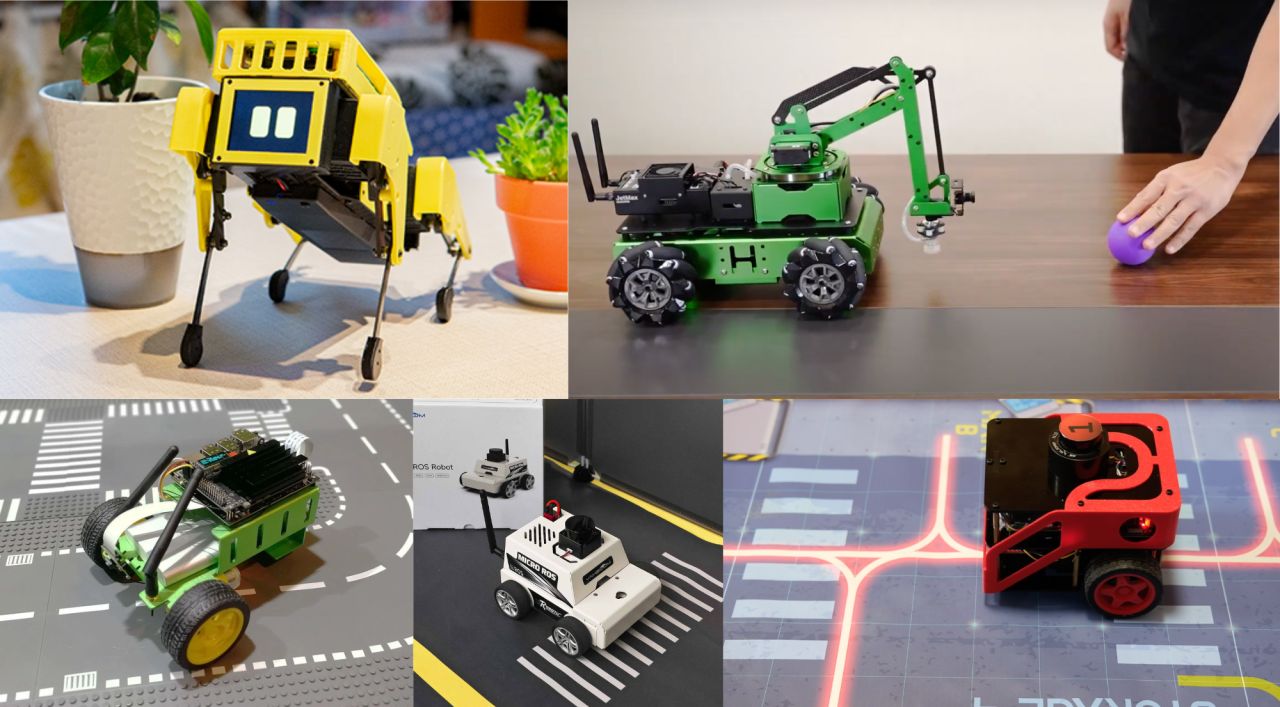
You do not need to invent the next humanoid robot from scratch.
The goal is to learn by building.
As you improve the project, customize it, optimize it, and document the process, you begin developing the exact practical skills companies are searching for.
And yes — include those projects in your portfolio.
The One Important Exception
There is, however, one major exception to this advice.
If your goal is not industry engineering but robotics research, then formal academic credentials still play a critical role.
Research exists at the frontier of what’s possible. Advancing robotics science often requires deep theoretical specialization, academic publications, and access to research institutions.
For that path, a PhD remains the standard requirement.
But for most people pursuing robotics careers in industry, execution matters far more than certificates.
Stop Collecting Certificates. Start Finishing Projects.
The robotics industry rewards builders.
Whether you create a simple mobile robot, an autonomous drone, or a complex robotic arm, your ability to execute, solve problems, and document your work is what separates you from the crowd.
Build projects.
Share them publicly.
Explain your process.
Demonstrate your thinking.
Because in robotics, your portfolio is your real degree!
Ready to Break Into Robotics Faster?
If you don’t know where to start, our Robotics Developer Masterclass program is designed to help you build the exact skills, projects, and portfolio needed to enter the robotics job market confidently.
The program provides:
- Structured robotics learning paths
- Hands-on real-world projects
- Portfolio-ready systems
- Practical engineering guidance
- Industry-focused training
Instead of spending years wondering what to build next, you’ll follow a clear roadmap designed to help you become job-ready faster.
More Info & Enroll at: https://www.theconstruct.ai/robotics-developer/
0 Comments
Trackbacks/Pingbacks