
1. Why Python Became the Language of Robotics
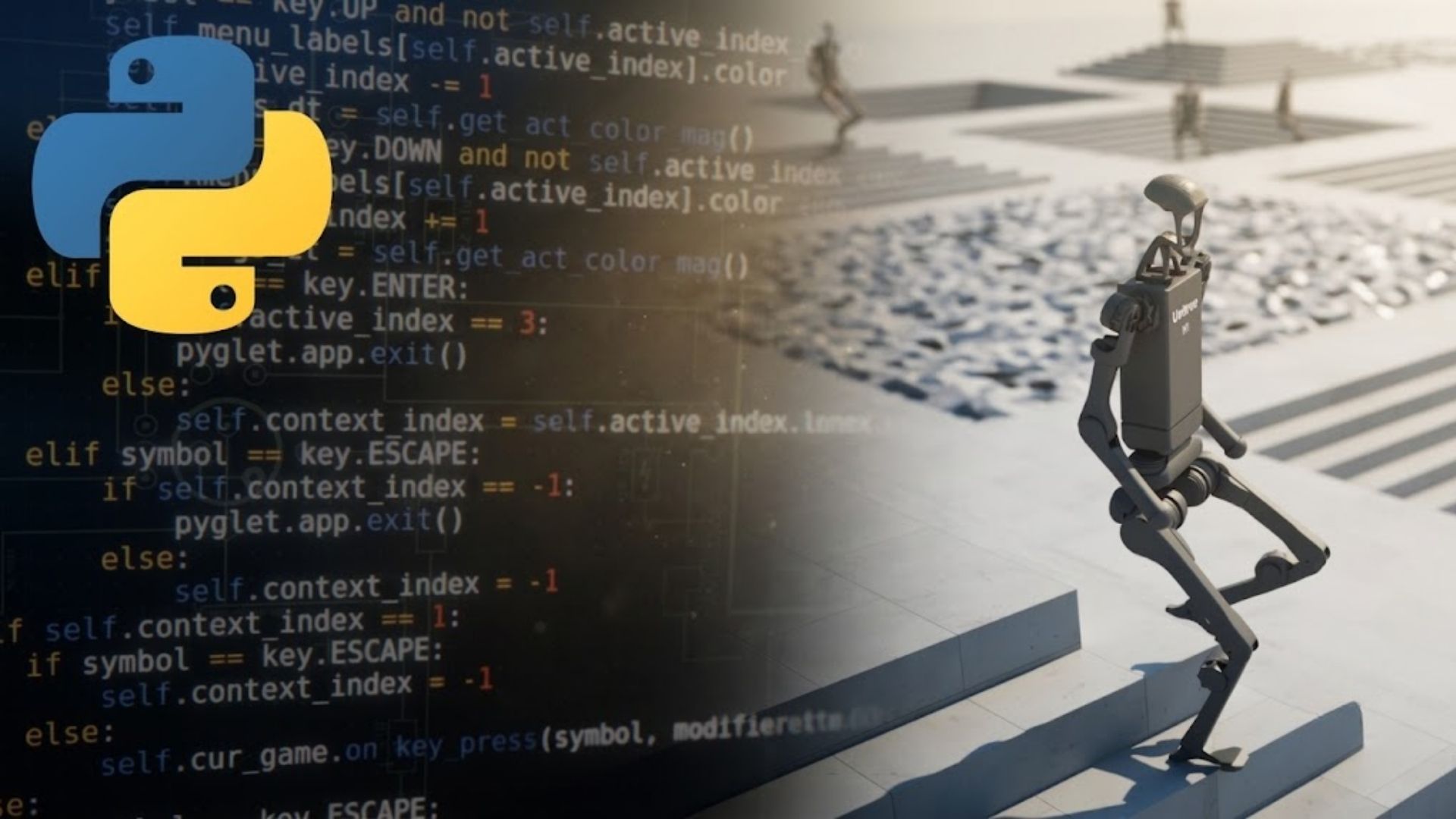
Python is everywhere in robotics, and that isn’t by accident.
One of the biggest reasons is how quickly ideas can become working code. A robot can be controlled with just a few lines of Python, without a lengthy build process or complex compiler errors. Write the code, run it, and immediately see the robot respond.
That rapid feedback loop is what makes Python so appealing. Instead of spending time fighting syntax or debugging low-level issues, developers can focus on answering a much more important question:
“Does this idea actually work?”
In robotics, validating ideas quickly is often far more valuable than optimizing performance from the very beginning.
2. Why Python Is Used Across the Robotics Stack
Python isn’t simply a beginner’s language—it plays an important role throughout modern robotics.
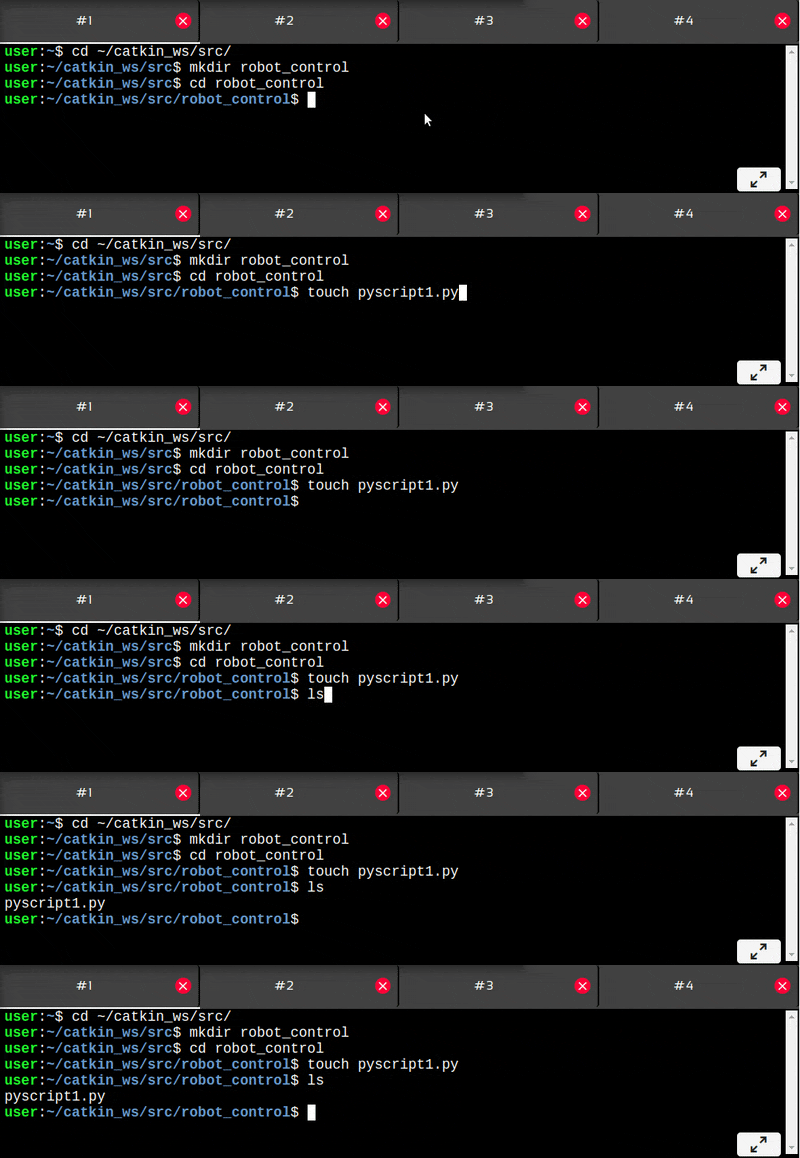
First, ROS provides a fully supported Python client library, allowing developers to build real ROS nodes that publish sensor data, subscribe to topics, communicate with other nodes, and control robots. Python is a first-class language within the ROS ecosystem.
Second, nearly every modern AI framework is built around Python. Libraries such as PyTorch and TensorFlow power computer vision, object detection, and decision-making systems. As soon as a robot needs to perceive or understand its environment, Python almost always becomes part of the solution.
Third, Python makes prototyping remarkably efficient. Developers can test an idea, validate that it works, and only then decide whether parts of the system need to be rewritten in C++ for higher performance. Instead of committing to production-level code on day one, Python allows experimentation to happen quickly and with very little cost.
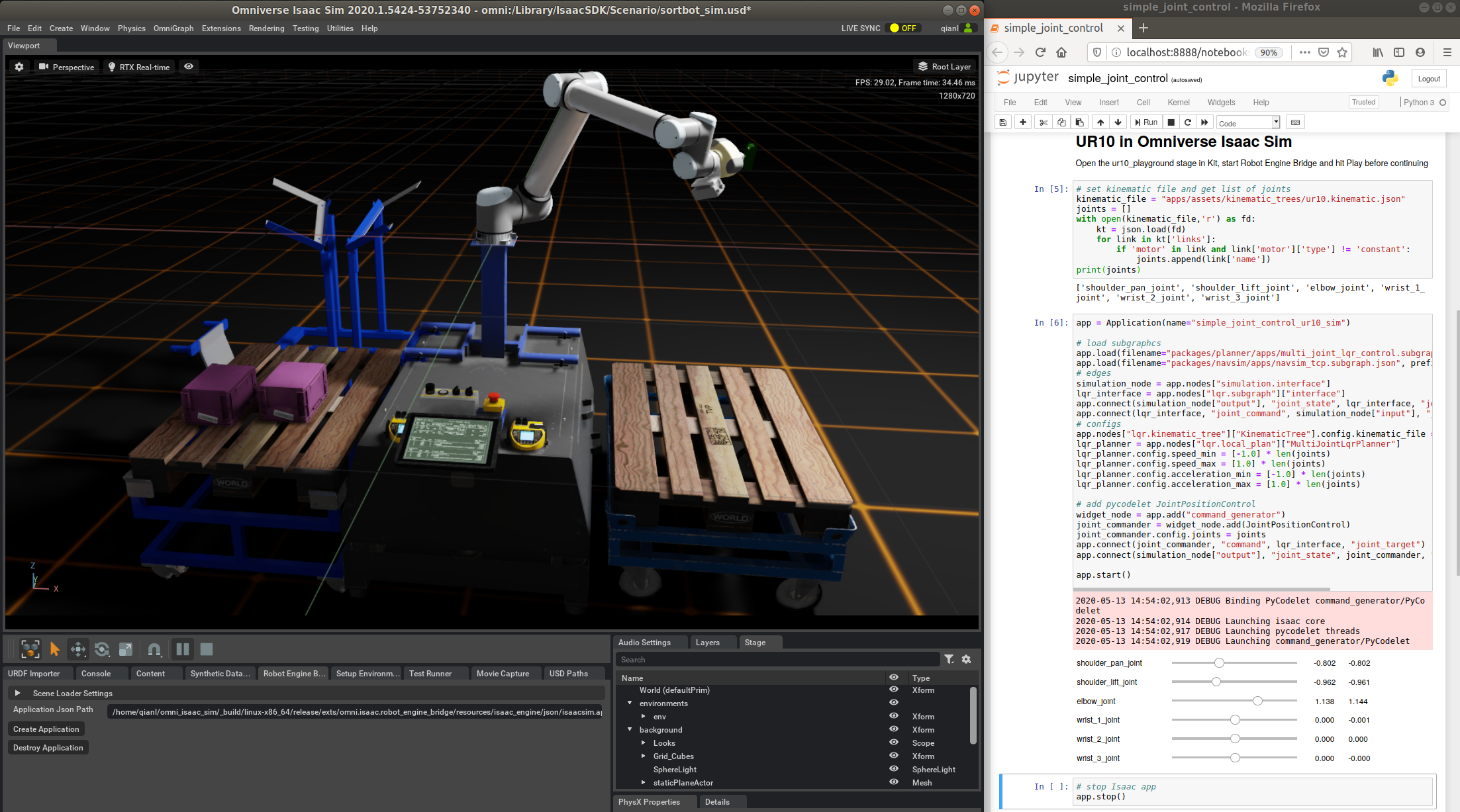
cr. Nvidia Developer
3. Python Doesn’t Replace C++ — It Works Alongside It
One common misconception is that Python is replacing C++ in robotics. In reality, the two languages solve different problems.
A typical robotics system uses Python for high-level planning, decision-making, AI integration, and system coordination. Meanwhile, C++ handles the low-level components that require deterministic timing, such as motor control, sensor drivers, and real-time execution.
ROS allows Python and C++ nodes to communicate seamlessly, making them complementary rather than competing technologies.
In practice, Python determines what the robot should do next, while C++ ensures those decisions are executed reliably and on time. Modern robotics relies on both languages working together.
4. Why This Matters for Anyone Learning Robotics
The biggest advantage of Python is accessibility.
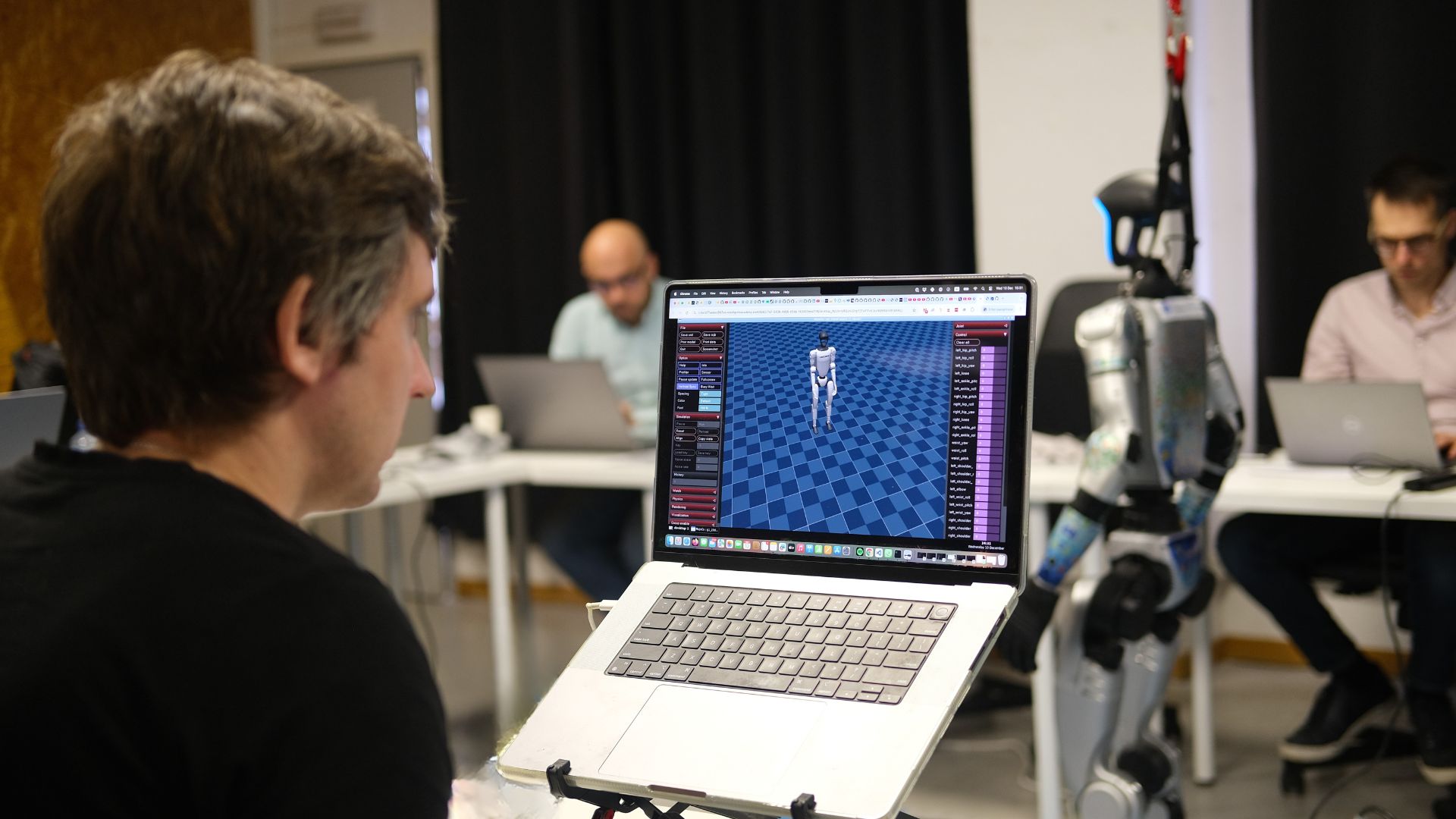
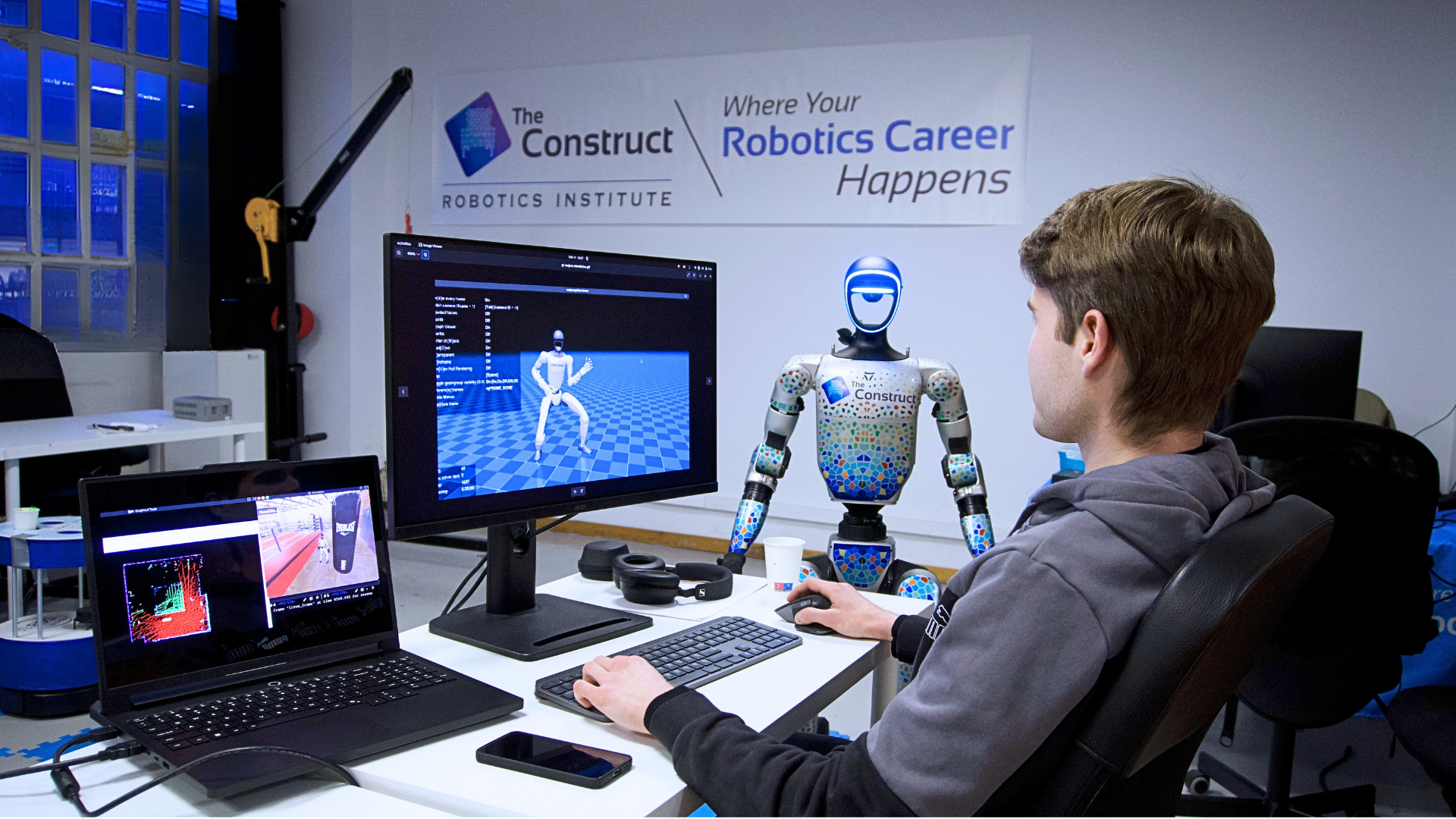
Today, anyone can write a simple Python ROS node, connect it to a simulated robot, and watch that robot move—all on a laptop, without owning any hardware or having an electronics background.
More importantly, learning robotics concepts such as topics, messages, and control loops becomes much easier when the programming language stays out of the way.
Once those robotics fundamentals are understood, transitioning to C++ becomes a much smaller step. Instead of learning robotics and a complex systems language at the same time, learners can focus on robotics first and optimize later.
Ultimately, Python isn’t valuable because it’s an “easy” language. It’s valuable because it allows ideas to be tested as quickly as they appear. In robotics, that speed of iteration is often the difference between making progress and getting stuck. Combined with its central role in modern AI, Python has become one of the most important tools in every robotics developer’s toolkit.

If you’d like to master Python, ROS 2, robot simulation, and real-world robotics development from the ground up, The Construct’s Robotics Developer Masterclass is designed to take you from beginner to industry-ready through hands-on projects.
More Info & Enroll at: roboticsdeveloper.ai
0 Comments