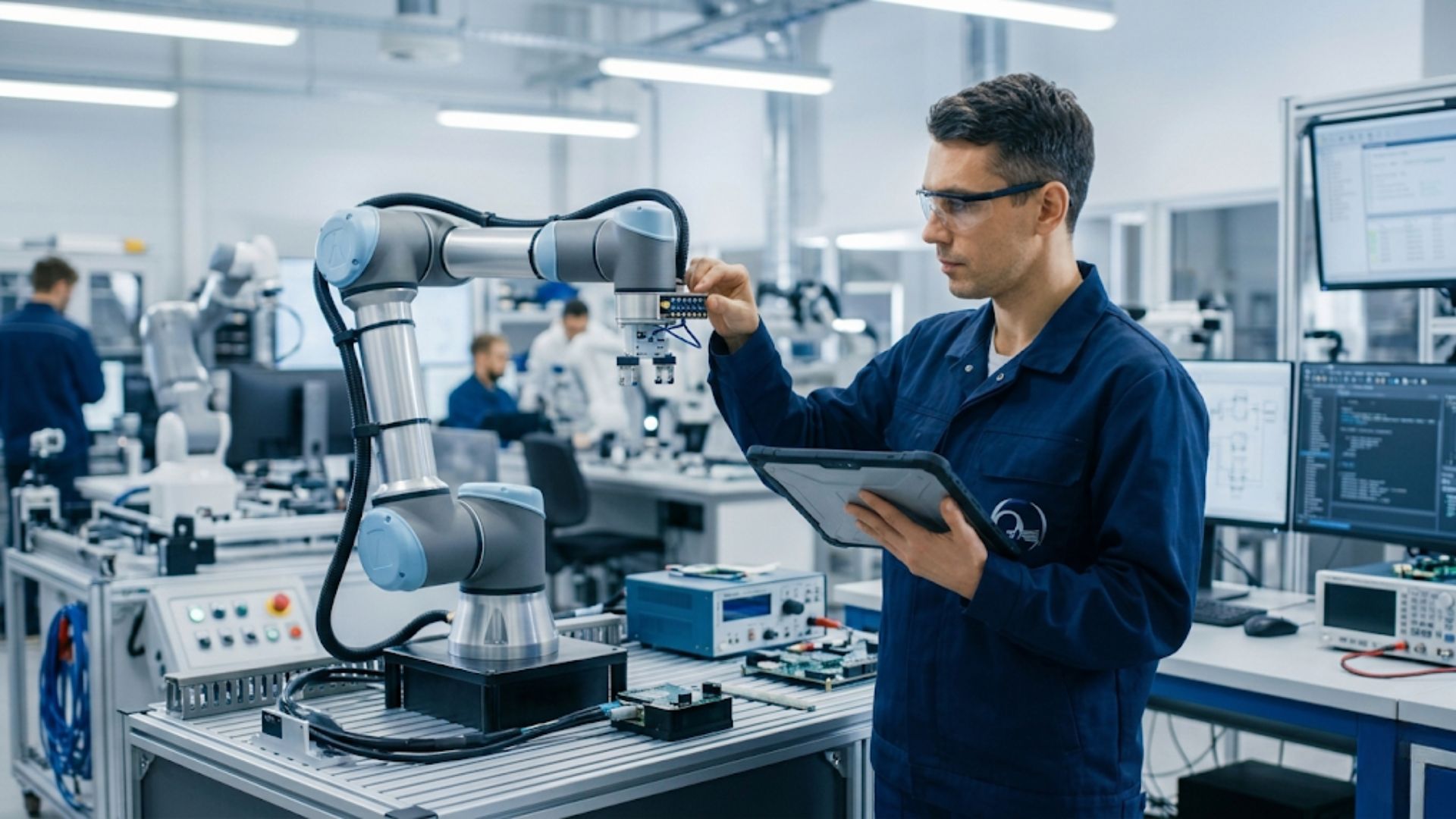

The robotics industry is moving faster than most people realize.
Warehouse robots, surgical assistants, autonomous vehicles, delivery robots — these are no longer futuristic ideas. They already exist, and the industry behind them is growing rapidly. But behind all of these systems, there’s one critical role that almost nobody talks about:
The Robotics QA Engineer.
The core responsibility of a Robotics QA Engineer is surprisingly simple:
Make sure the robot still works correctly after every code change.
It sounds similar to traditional software QA, but robotics companies are struggling to hire people who can actually do this job well.
And the reason is straightforward.
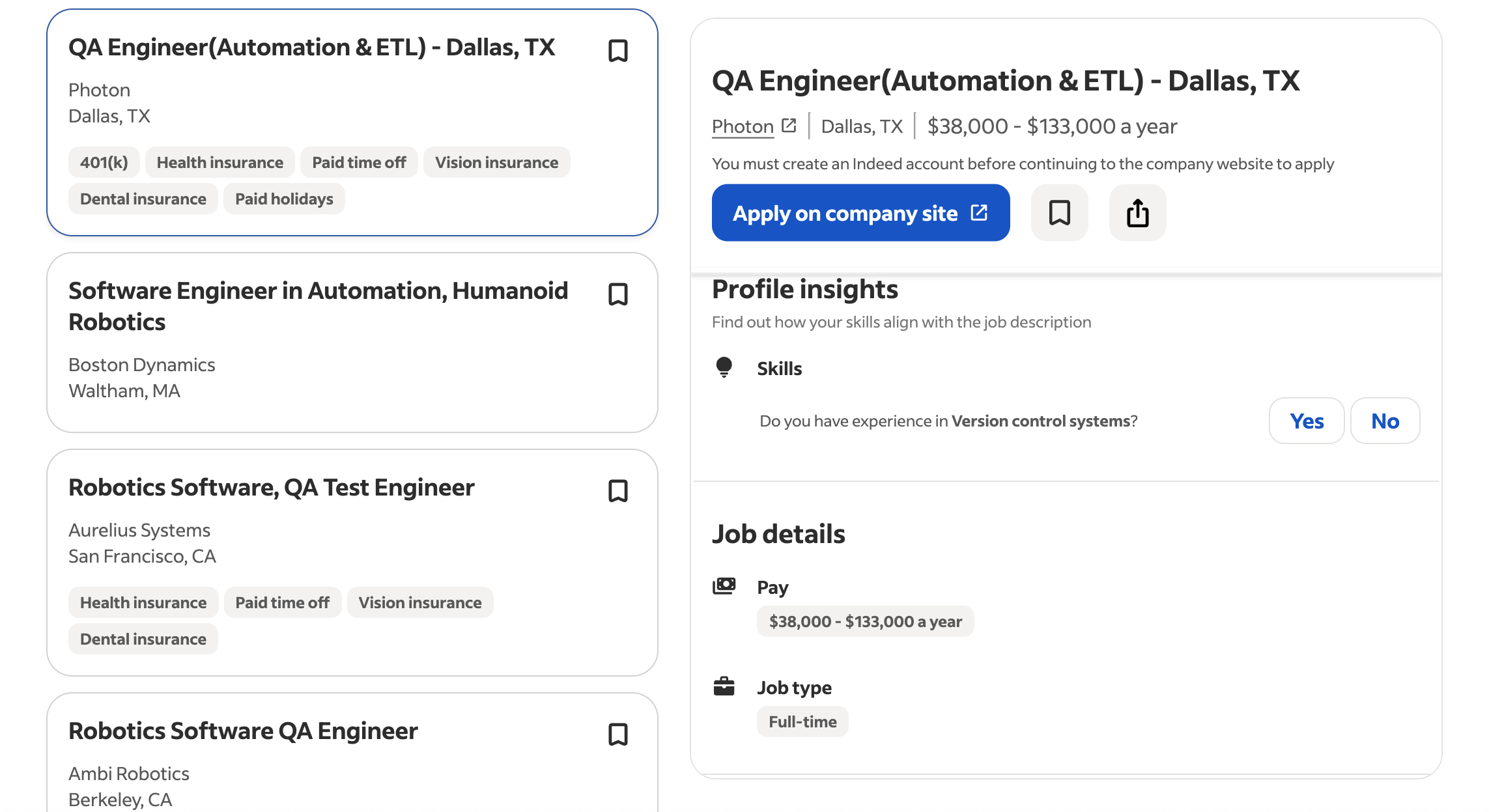
Robotics engineers are passionate about algorithms, AI, control systems, and hardware. They want to build robots — not spend their time testing them. Meanwhile, software QA engineers are excellent at automation testing, CI/CD pipelines, and test frameworks, but most of them know little about ROS, robot simulations, sensors, or robotic behaviors.
So the industry has developed a massive gap:
The people who understand robotics usually don’t do QA.
The people who understand QA usually don’t understand robotics.
And Robotics QA Engineers sit exactly in the middle of that gap.
The work itself can roughly be divided into two levels.
The first level is Unit Testing, which is very similar to traditional software QA. Engineers use tools like GTest or PyTest to verify that the code behaves correctly, functions still work as expected, builds pass successfully, and new commits don’t break existing logic. If you already work in QA, you likely already have the foundation for this part.
The second level is where robotics becomes truly different: Functional Testing.
Because in robotics:
“The code runs” does not mean “the robot works.”
A robot may compile perfectly and still fail in the real world.
Can it actually navigate correctly?
Can the robotic arm successfully pick up the object?
Do the sensors behave properly under different conditions?
Does obstacle avoidance still work in complex environments?
These problems cannot be solved with code validation alone. They must be tested in realistic scenarios.
But no company wants to physically test robots after every single code commit. It’s expensive, slow, and dangerous. That’s why modern Robotics QA heavily depends on simulation.
Robotics QA Engineers combine tools such as:
- ROS
- Gazebo or Isaac Sim
- Docker
- Jenkins
to build automated testing pipelines for robots.
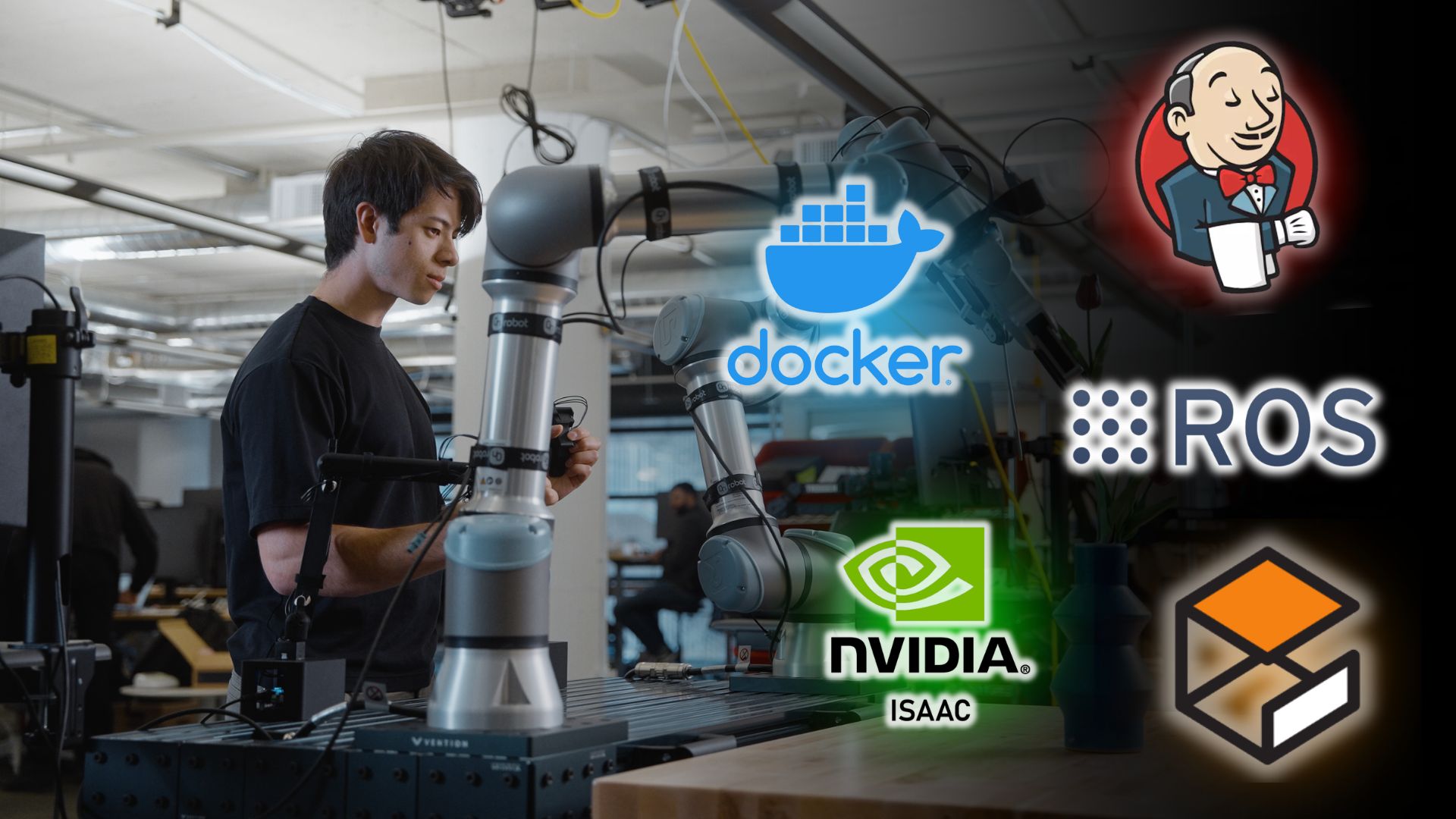
Every time new code is pushed, the system automatically launches simulations, runs navigation tasks, validates sensor outputs, checks robotic behaviors, and generates reports.
In many ways, this is simply:
Continuous Integration for physical machines.
What makes this field especially interesting is that the barrier to entry is much lower than most people think.
You do not need to go back to university.
You do not need a robotics degree.
You do not need to become an expert in SLAM, controls, or AI research.
For many QA engineers, automation engineers, or DevOps engineers, the missing piece is simply robotics-specific functional testing skills.
That means learning things like:
- ROS
- Simulation environments
- Robot workflows
- Automated robotics testing pipelines
Once you stack those skills on top of an existing QA background, you become an extremely rare profile in the market.
Because the truth is:
Most robotics companies do not lack software engineers.
They do not lack algorithm engineers either.
What they truly lack are engineers who can make robotic systems stable, testable, and scalable.
And as robotics continues to expand, that demand will only grow.
 cr. zacuaventures
A lot of people still think of QA as a “support role.”
But in robotics, Robotics QA is becoming part of the industry’s core infrastructure.
Over the next decade, robots will move deeper into the real world — into factories, hospitals, logistics, retail, and transportation. And every one of those systems will face the same challenge:
How do you make robots reliable, safe, and continuously testable?
That is why Robotics QA may become one of the most overlooked — yet most valuable — career paths in the entire robotics industry.
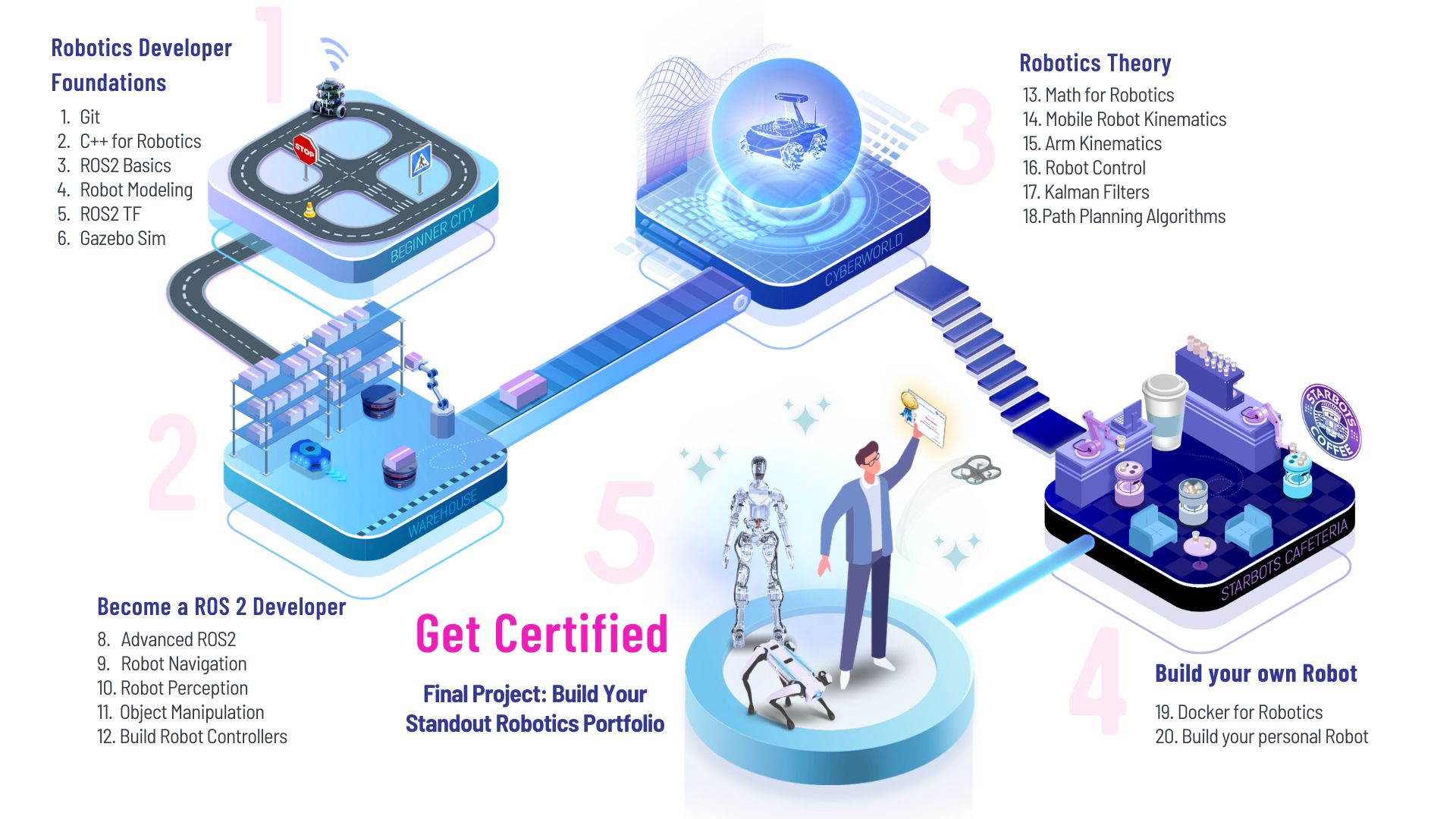
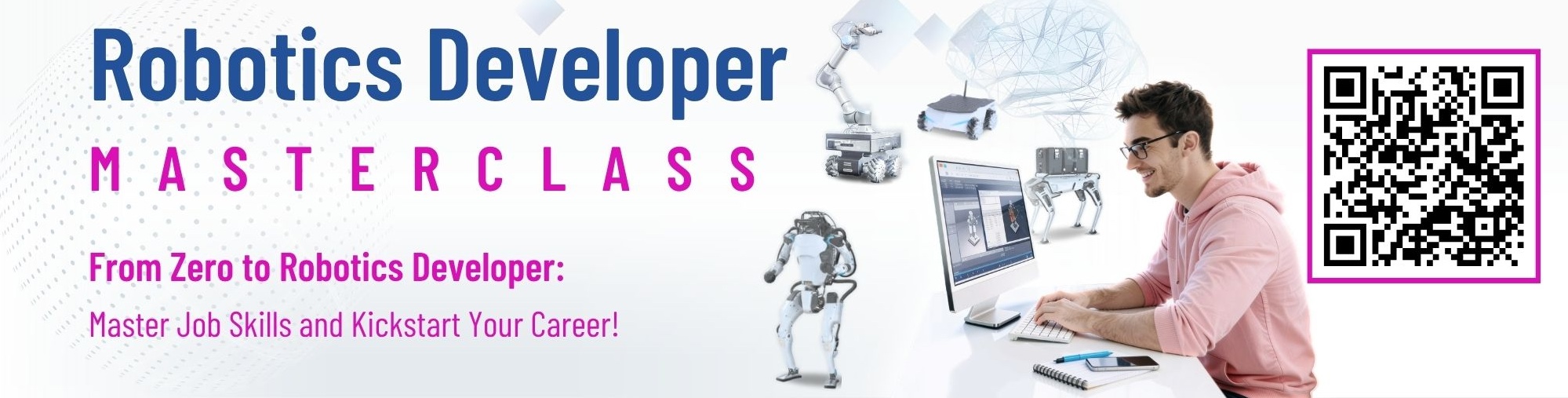
The fastest way to make this transition is through The Robotics Developer Masterclass by The Construct.
This isn’t another course. It’s a training ground — built by engineers who are still in the field, actively working with the technology you’ll be testing. The curriculum isn’t a playlist. It’s a roadmap. Phase by phase. Real projects. Graded by expert engineers.
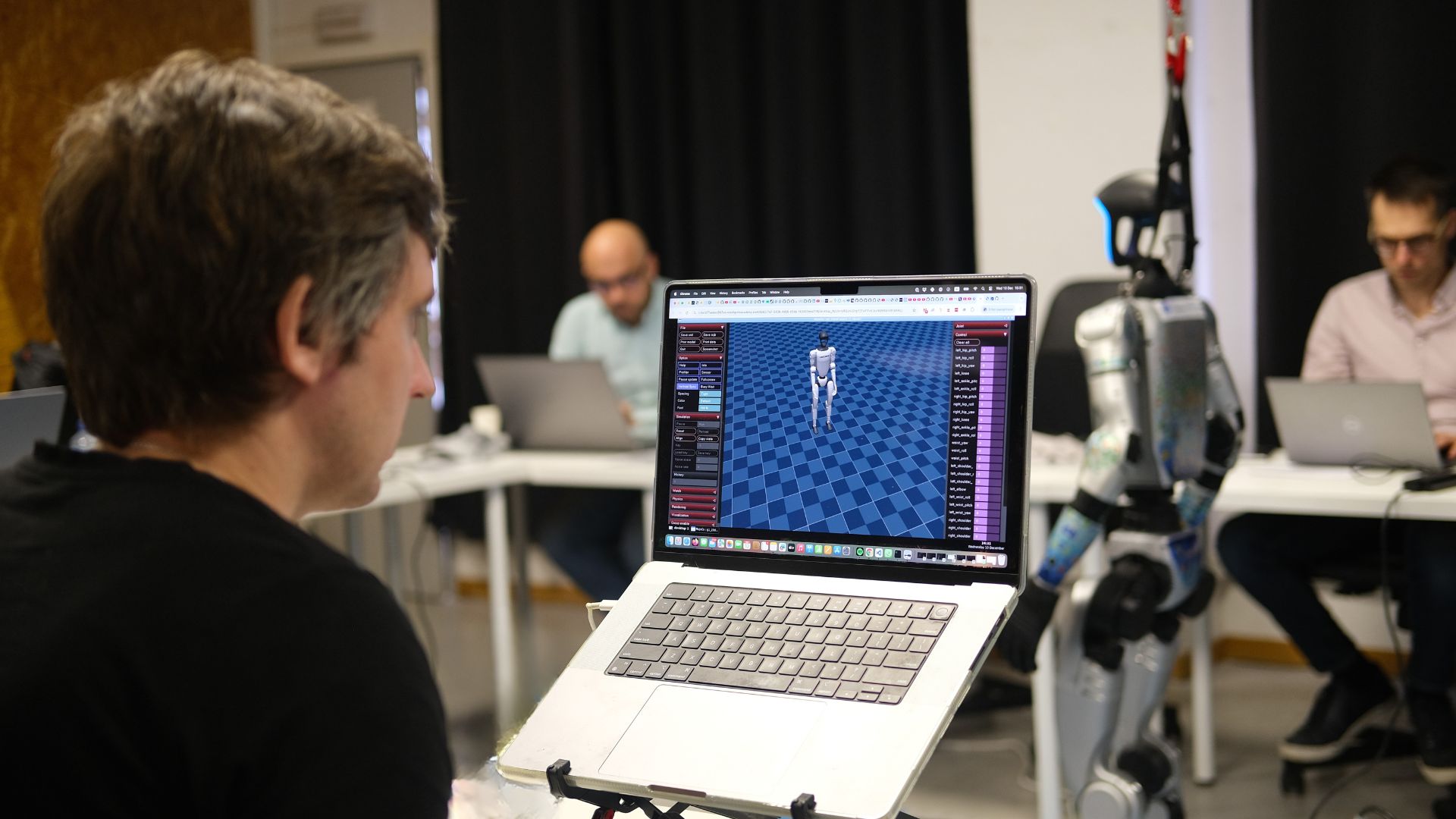
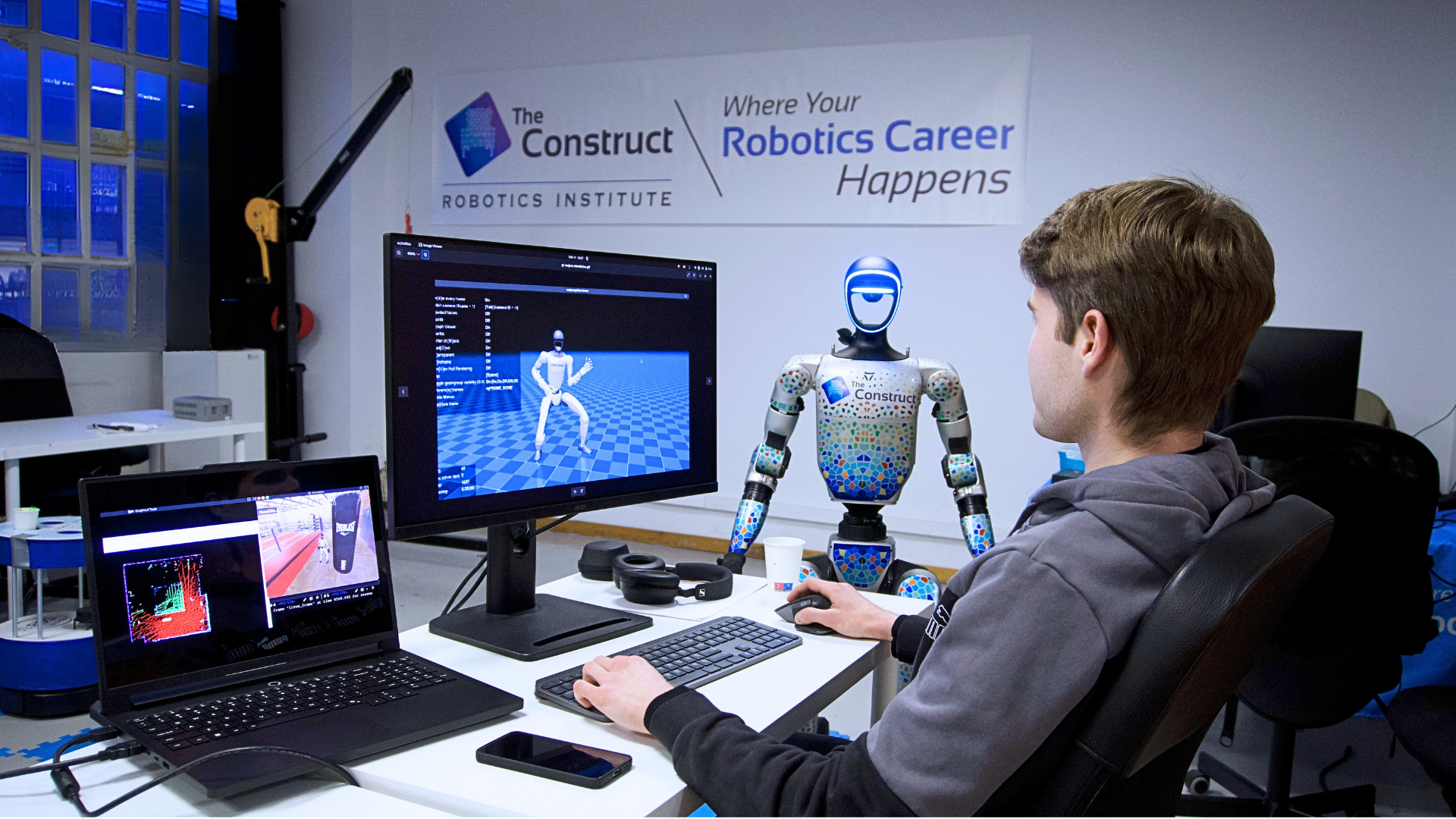
You’ll get hands-on with ROS, robot simulations, and real robotics workflows inside a cloud-based environment — no robot required to get started. And as a QA engineer, you’re not starting from zero. You’re already ahead. You just need to plug in the robotics layer.
Over 200,000 developers worldwide have trained here. The roadmap is structured. The mentorship is real. The skills you leave with are the ones robotics companies are hiring for — right now.
More Info & Enroll at: https://www.theconstruct.ai/robotics-developer/
0 Comments