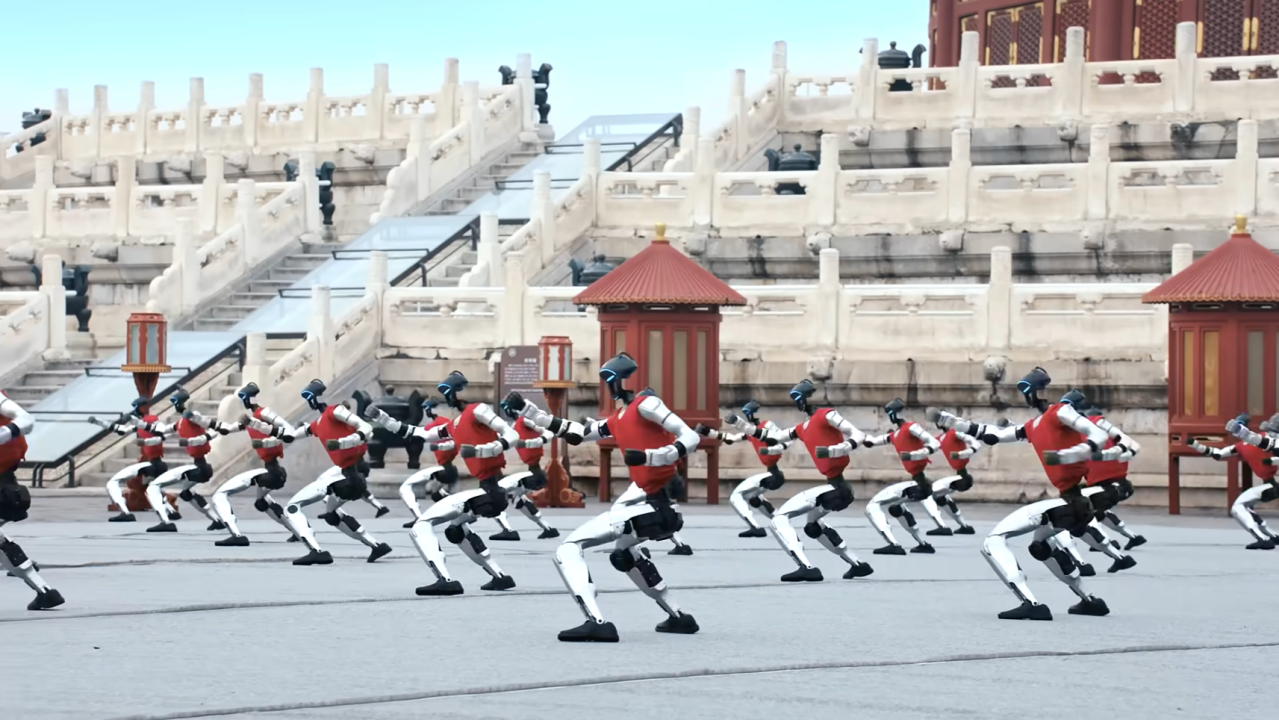

Humanoid robots can now perform backflips, dance with uncanny grace, and leap across obstacles very few humans would dare to attempt. And yet, something familiar is happening — the same mistake we made with AI decades ago is playing out again, right before our eyes, this time with humanoid robots.
An essay on humanoids hype, history, and the missing element in AI
In the 1950s and 1960s, a generation of brilliant researchers looked at what their early computers could do — solve logical puzzles, play checkers, translate rudimentary sentences — and made a perfectly understandable error. They concluded that truly intelligent machines were just around the corner. A decade, maybe two. Herbert Simon, one of the founding fathers of artificial intelligence, predicted in 1965 that “machines will be capable, within twenty years, of doing any work a man can do”. He was, of course, spectacularly wrong.
But you cannot entirely blame him. The early successes of AI were genuinely astonishing. Machines were conquering domains that had long been considered the exclusive province of deep human intellect. And what domain more so than chess?
The Chess Paradox
For centuries, chess was regarded as the ultimate test of the human mind — a game of strategy, foresight, and creative intuition. When IBM’s Deep Blue defeated world champion Garry Kasparov in 1997, it felt like a watershed moment for intelligence itself. If a machine could master chess, surely it could master anything.
But here is the strange irony that researchers discovered, and that the public never quite absorbed: the same systems that could defeat Kasparov could not look at a table and tell you what was on it. They could not read a paragraph and understand what it meant. They could not grasp a coffee mug without knocking it over. The harder the task seemed to a human, the easier it was for the machine — and vice versa. This counter-intuitive observation became known as Moravec’s Paradox.
“The hardest problems in AI turned out to be the ones that felt effortless to any three-year-old child.”
The pattern repeated itself with every AI breakthrough. Systems that mastered Go. Systems that diagnosed skin cancer from photographs. Systems that wrote fluent prose. Each triumph was greeted with a fresh wave of predictions about imminent general intelligence. And each time, the fundamental gap — the gap between narrow competence and genuine understanding of the task — remained as wide as ever.
Now Watch the Robots Dance
Today, we are witnessing something extraordinary. Humanoid robots — from Boston Dynamics’ Atlas to Unitree’s G1 — are performing feats of physical grace that leave audiences genuinely breathless. Backflips executed with athletic precision. Somersaults through the air. Dance routines that would earn a respectable score at any studio. These are not exaggerations. The videos are real.
And here is where the history rhymes so uncomfortably with itself: people are watching these robots and concluding that we have, or will very soon have, the capable and intelligent robots of science fiction. The reasoning is intuitive. If a robot can do a backflip — something that takes a trained human gymnast years of practice — surely opening a door is trivial by comparison?

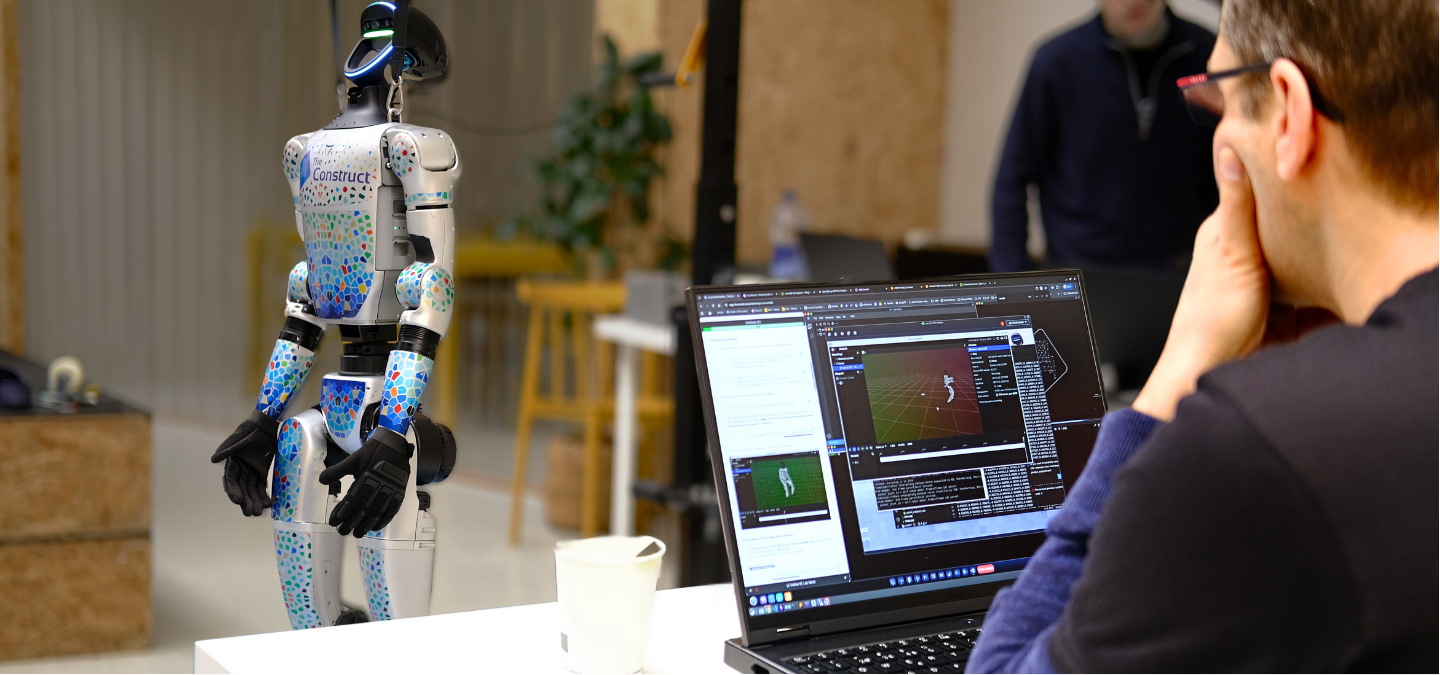
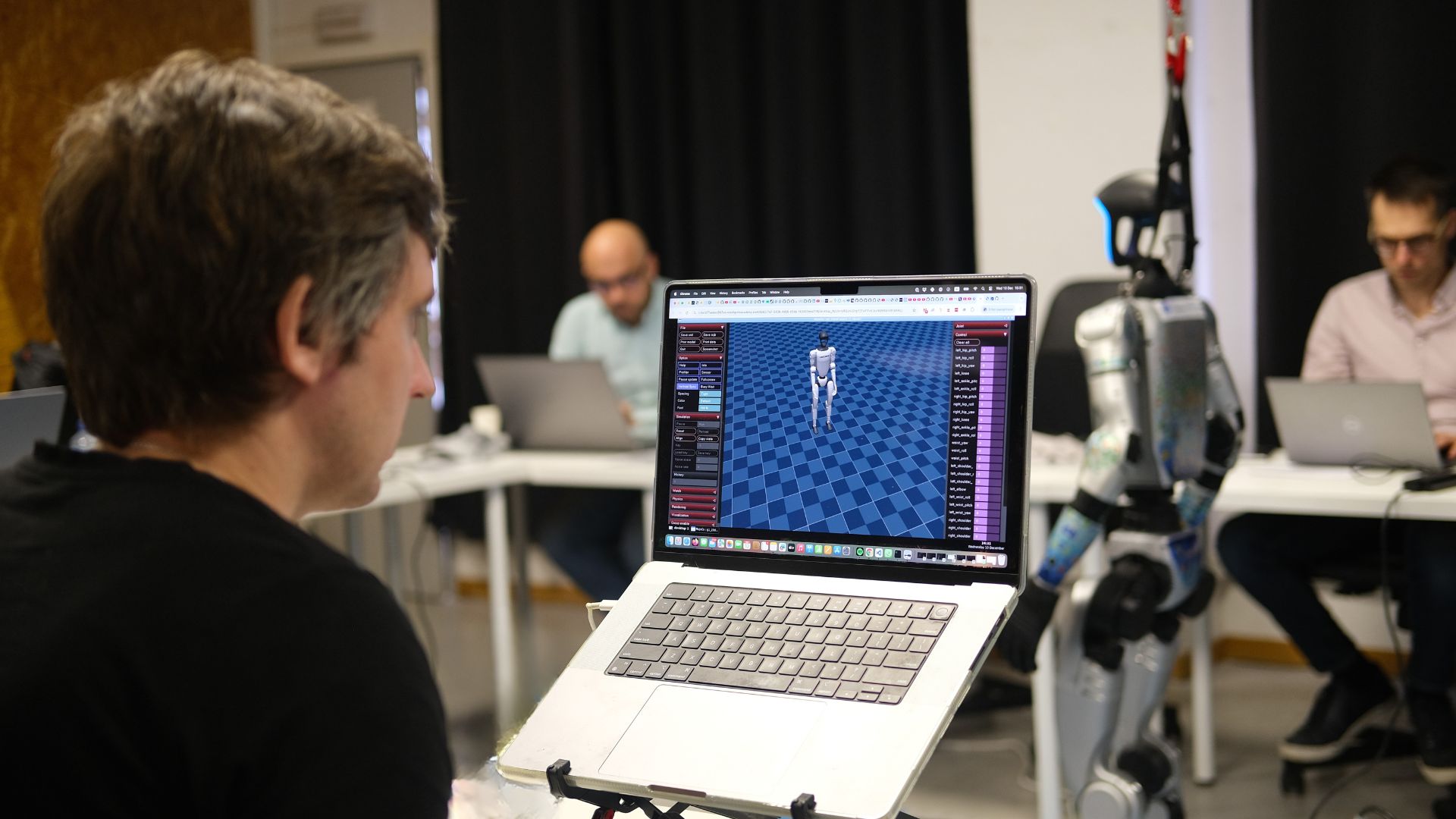
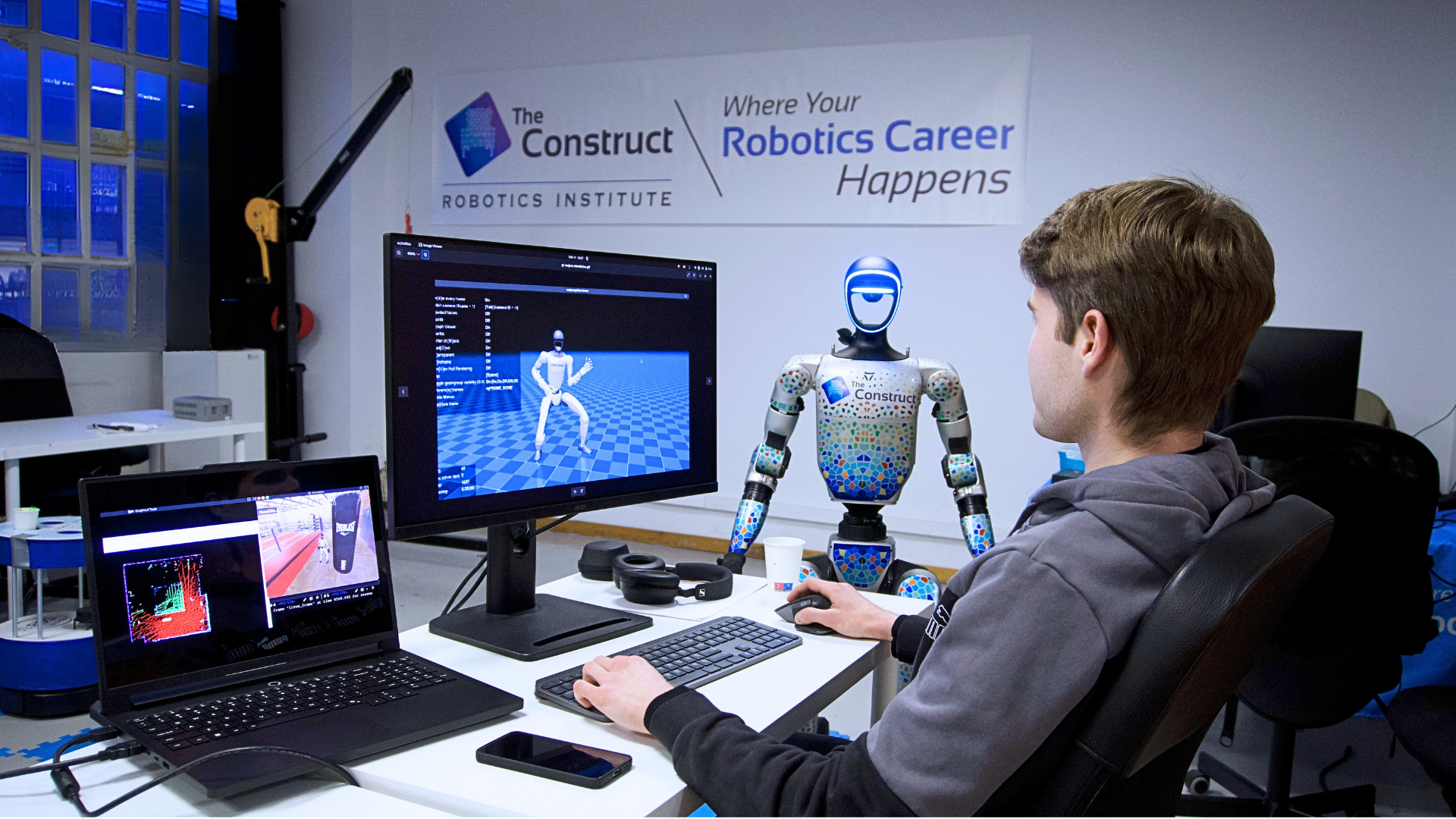
If your team is exploring humanoid robotics, this 3-day intensive humanoid RL training is designed to take you from zero setup to a real humanoid demo in just 3 days:
• Sim-to-real reinforcement learning workflows • RL for locomotion and whole-body control • Vision-Language-Action (VLA) models for humanoid skills • Deployment on real humanoid robots.
More Info: theconstruct.ai/humanoid-robot-reinforcement-learning-training/

0 Comments