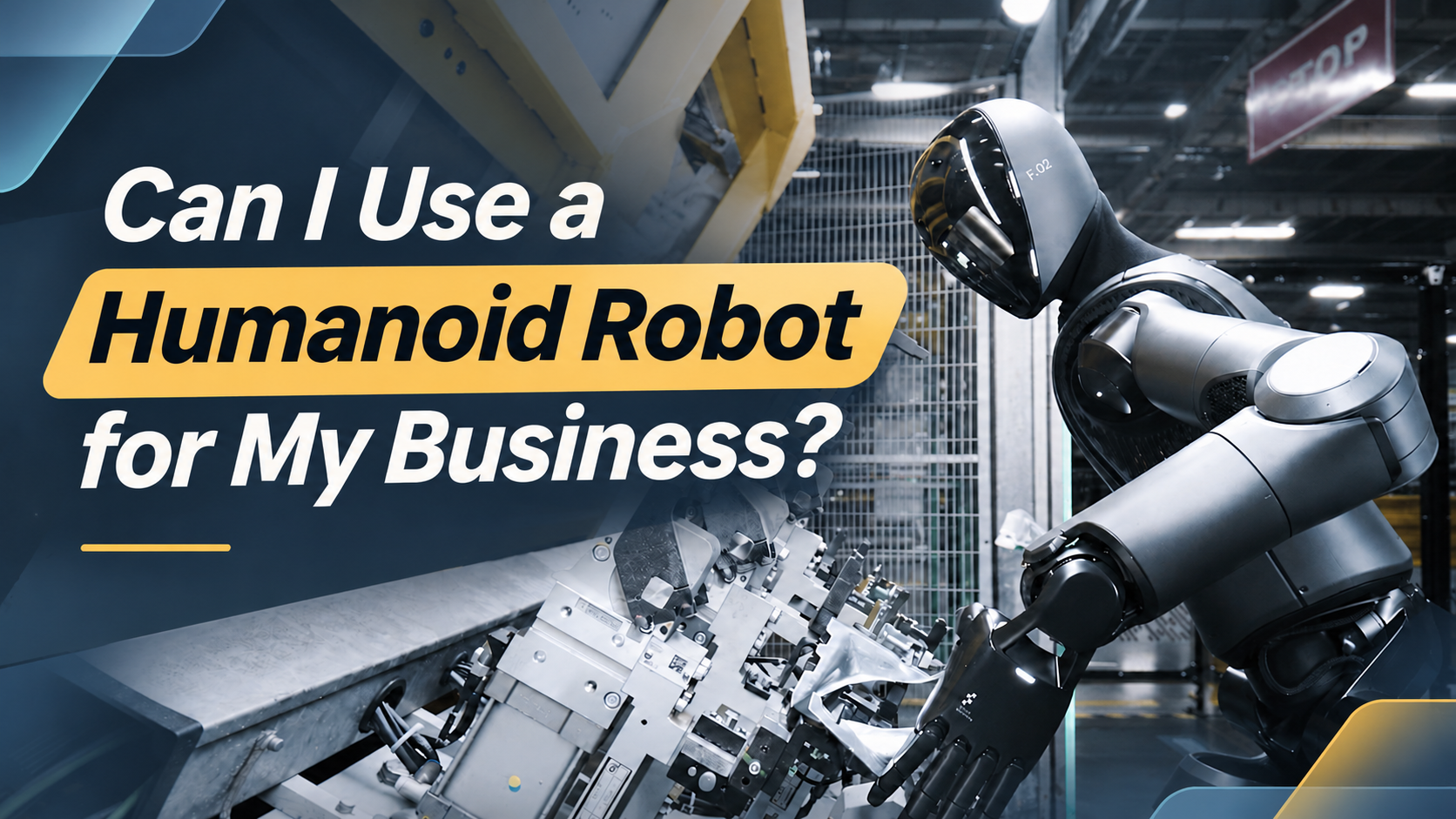

Humanoid robots are becoming increasingly visible in factories, warehouses, restaurants, and even people’s homes. With impressive videos showing robots performing everyday tasks, many business owners are starting to ask the same question: Can I use a humanoid robot in my business?
The answer depends on what you expect the robot to do. If you’re planning to replace human employees with humanoid robots today, the answer is probably no.
However, if your goal is to explore new technology, prepare your business for the future, or advance AI research, humanoid robots offer some very interesting opportunities. Let’s look at where they actually make sense today.
1. Replacing Human Employees? Not Quite Yet.
Imagine running a factory, warehouse, or restaurant. You’ve seen videos of humanoid robots moving boxes, assembling products, preparing food, and performing other tasks. Naturally, you might wonder whether you could purchase one and have it take over some of your employees’ responsibilities.
For now, that’s probably not a good investment. Most impressive humanoid robot videos are carefully prepared demonstrations, not proof of reliable, real-world performance. Getting a robot to pick up a box once is relatively straightforward. Getting it to handle thousands of different boxes every day, without dropping them, damaging products, or requiring human assistance, is an entirely different challenge. Real working environments are unpredictable.
Objects get misplaced, people move around, equipment gets in the way, and unexpected situations happen constantly. A robot needs to handle all these scenarios consistently before it can become a reliable employee. To be fair, progress is real. Companies such as BMW have already conducted industrial pilot projects involving humanoid robots. These projects demonstrate that the technology is moving beyond laboratory experiments.
However, a successful pilot performing a specific task does not mean humanoid robots are ready to replace human workers across entire business operations. It’s important to distinguish between an impressive demonstration and a commercially reliable solution.
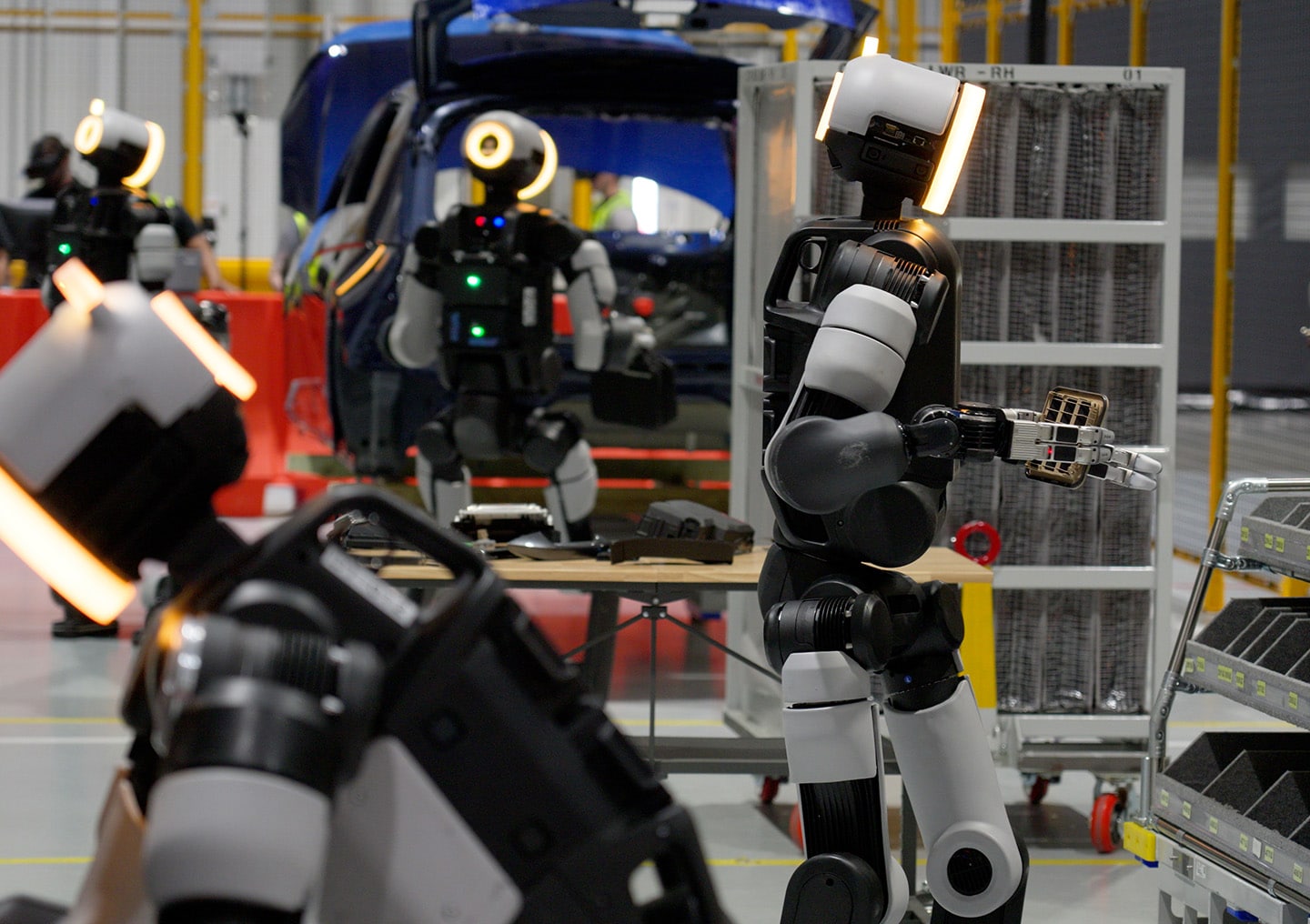
Photo credit: Boston Dynamics
2. Creating Marketing Demonstrations and Showcasing Innovation
There is one business application where humanoid robots already make a lot of sense: marketing and innovation demonstrations. Companies invest in humanoid robots for several reasons:
- Showcase innovation: Demonstrate that the company is exploring emerging technologies and investing in the future.
- Stand out from competitors: Generate attention by showing how the business is experimenting with advanced robotics.
- Attract investors and partners: Use impressive demonstrations to communicate technological ambition and future potential.
In these situations, a humanoid robot doesn’t necessarily need to perform productive work every day. Its ability to attract attention, generate interest, and communicate innovation can already deliver business value. The key is to understand what you’re investing in. A robot that performs a carefully designed demonstration can be a valuable marketing asset, but that doesn’t make it a production-ready worker.
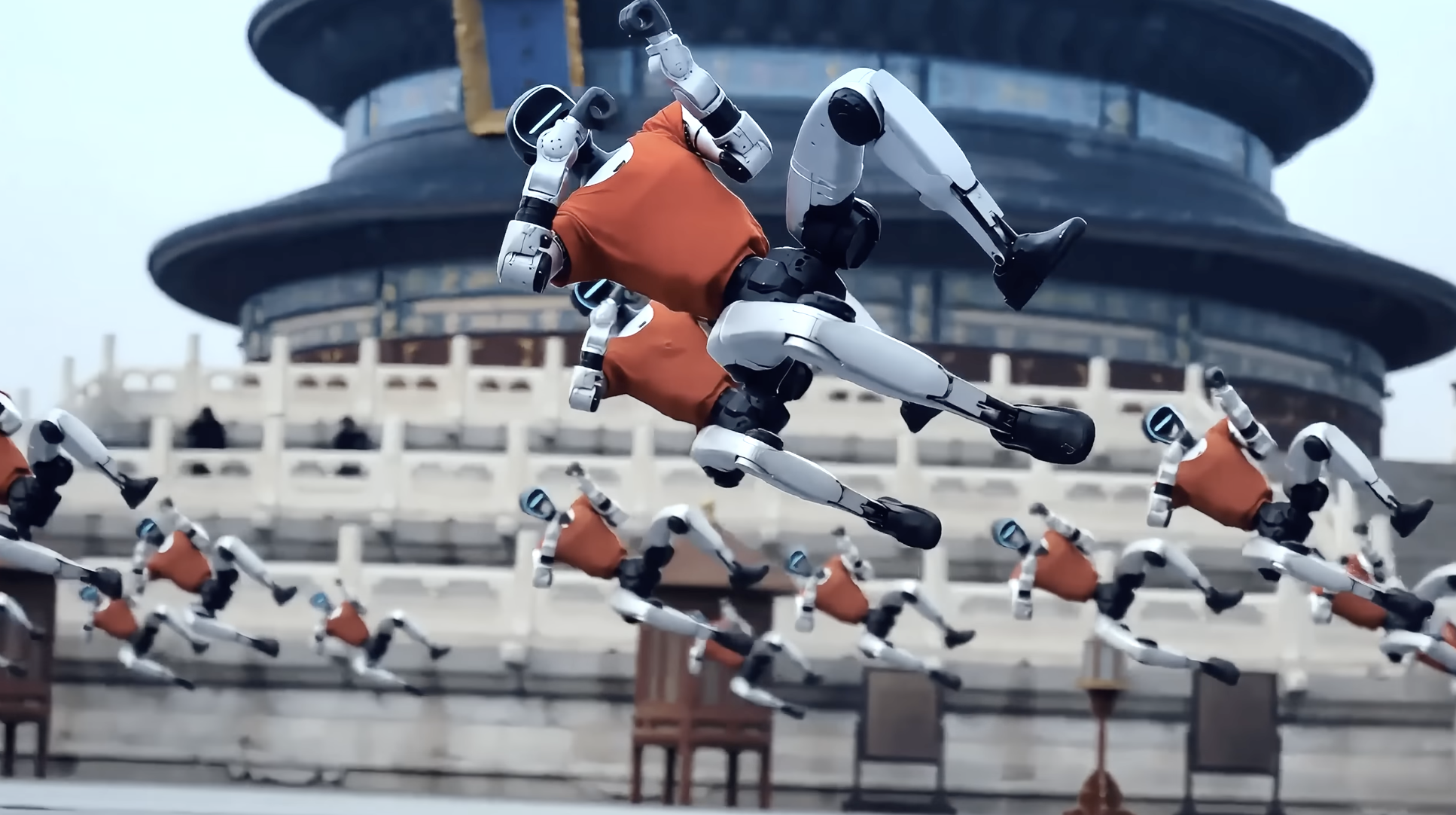
Photo credit: Unitree Robotics
3. Preparing Your Business for the Future
Another compelling reason to invest in humanoid robots today is to build expertise before the technology becomes commercially mature. Imagine you believe humanoid robots will become important in your industry over the next five to ten years. Rather than waiting until the technology is widely adopted, you could start experimenting now. For example, your company could:
- Establish a small robotics and AI team.
- Purchase a humanoid robot for internal experimentation.
- Learn how to program, control, and train the robot.
- Explore which business tasks could potentially be automated.
- Identify the technical and operational challenges that still need to be solved.
This process helps your team understand not only what humanoid robots can do, but also what they cannot do yet. By the time the technology becomes more commercially viable, your company will already have the experience and technical knowledge needed to evaluate and implement it. The value of investing today isn’t necessarily the money you save tomorrow. It’s the expertise you build for the future. 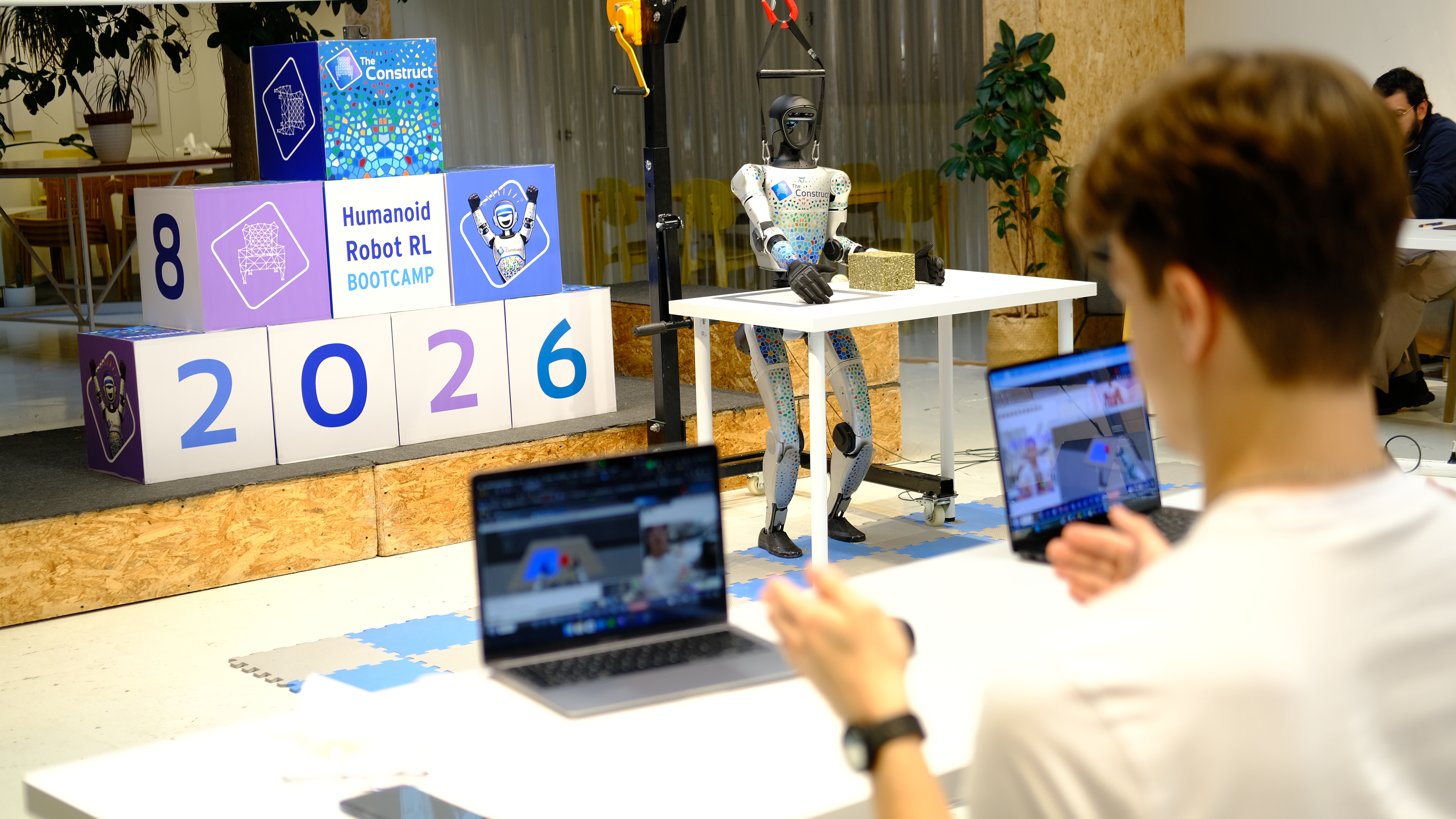
4. Using Humanoid Robots for AI Research and Development
For universities, research institutions, and companies working on Physical AI, humanoid robots offer another major opportunity. To understand why, it’s worth looking at an earlier example: Sony’s AIBO robotic dog.

Photo credit: IEEE Spectrum
AIBO became an important platform for robotics research because it allowed researchers to focus on developing intelligent robot behaviors rather than spending most of their time building the hardware itself. Before accessible robotic platforms became available, researchers often had to develop the mechanical structure, motors, electronics, and sensors from scratch. This required significant time, technical expertise, and research budgets. With platforms like AIBO, researchers could spend more time exploring the intelligence behind the robot. AIBO also became closely associated with RoboCup, an international robot soccer competition. A similar opportunity is emerging with humanoid robots today. Instead of designing an entire robot from scratch, researchers can purchase an existing humanoid platform and focus on areas such as:
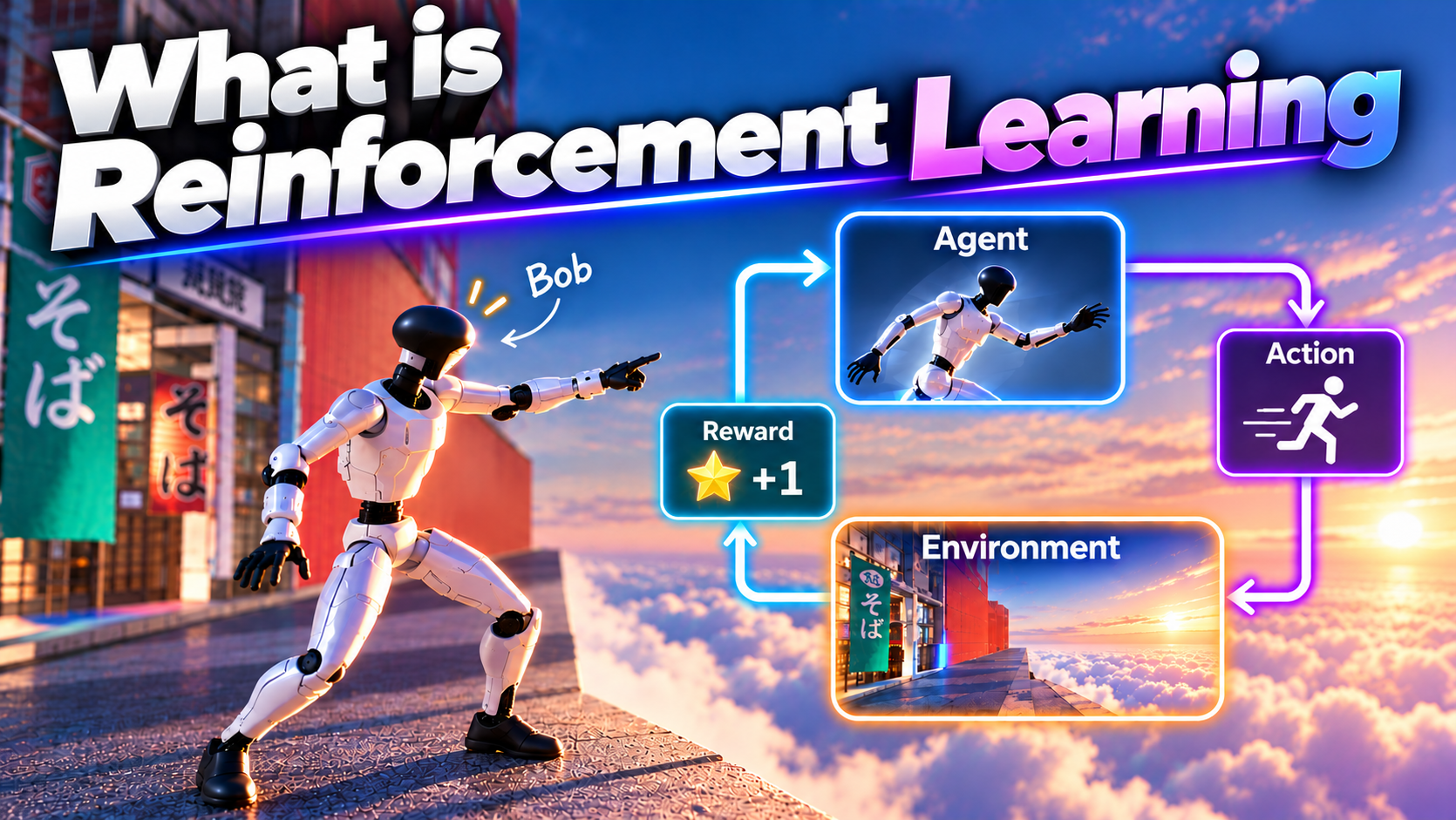
- Reinforcement Learning: Teaching robots to improve their behavior through interaction and feedback.
- Imitation Learning: Training robots to perform tasks by learning from human demonstrations.
- Robot Perception: Helping robots understand and interpret their surroundings.
- Manipulation and Navigation: Developing the ability to interact with objects and move through complex environments.
- Vision-Language-Action (VLA) Models: Connecting visual perception, language understanding, and physical actions.
By providing a ready-to-use physical platform, humanoid robots allow researchers to concentrate more resources on advancing Physical AI. For anyone working in robotics and AI research, this is a particularly exciting opportunity.
So, Should You Buy a Humanoid Robot for Your Business?
As we’ve seen, there isn’t a single answer. It depends entirely on your business objectives.
| Your Goal | Is a Humanoid Robot Worth It Today? |
|---|---|
| Replacing human employees | Not yet |
| Creating marketing demonstrations | Yes |
| Exploring future business opportunities | Yes |
| Building internal robotics expertise | Yes |
| Conducting AI and robotics research | Absolutely |
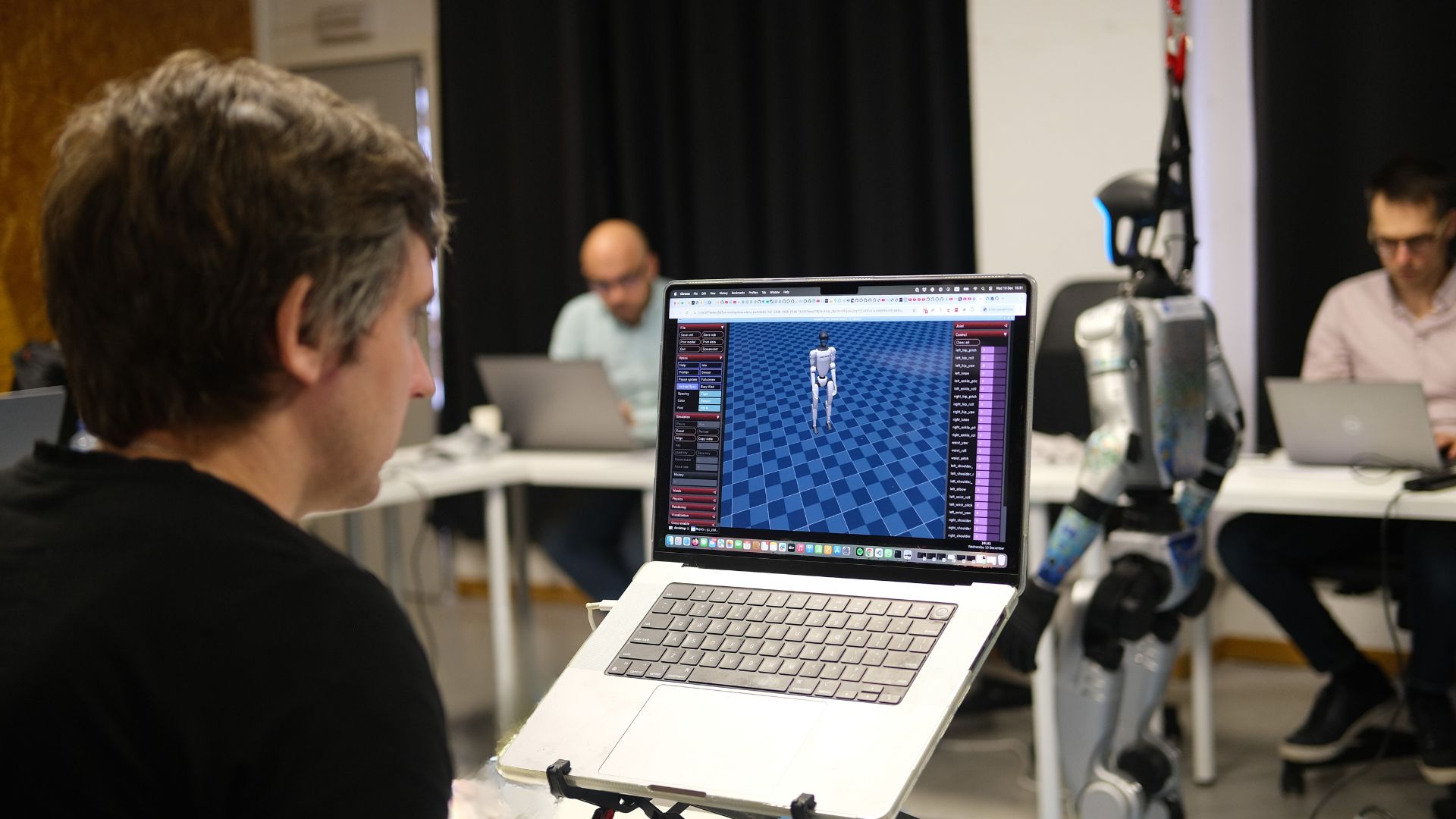
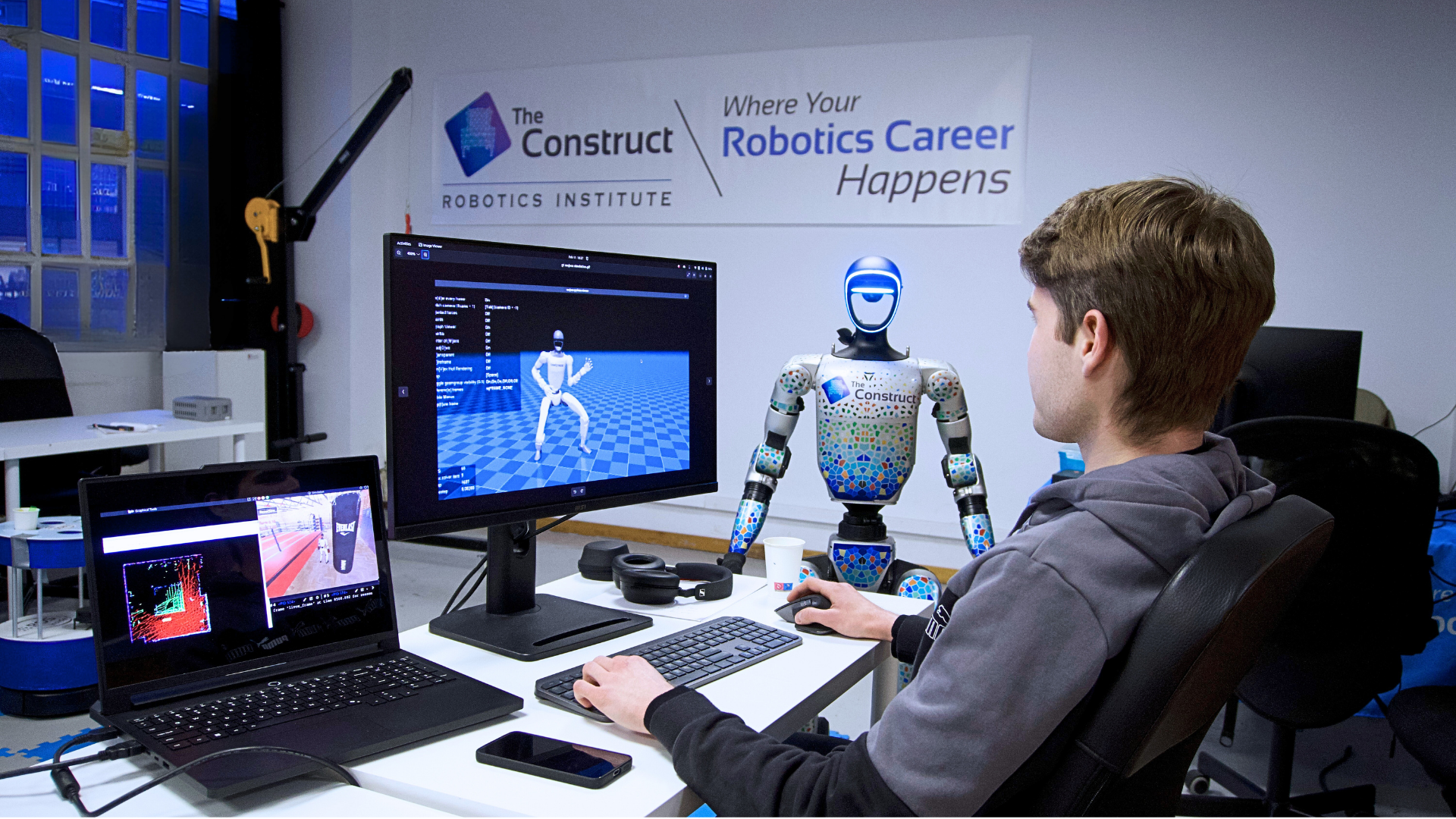
The most important thing is to have realistic expectations. Humanoid robots are advancing rapidly, but there is still a significant gap between what they can demonstrate under controlled conditions and what they can reliably accomplish in everyday business operations. If you’re evaluating humanoid robots for your business and want to understand the technology beyond the impressive videos, the best approach is to get hands-on experience. At our Physical AI with Humanoids Bootcamp in Barcelona, you’ll spend three days working with real Unitree G1 humanoid robots, training AI models in simulation, and deploying them on physical robots. You’ll explore reinforcement learning, whole-body control, and Vision-Language-Action models while learning what it actually takes to build and control humanoid robots. By the end, you’ll have a much clearer understanding of what’s already possible, what’s still under development, and where the real business opportunities lie. Explore the Physical AI with Humanoids Bootcamp and start building your expertise in humanoid robotics. More Info: https://www.theconstruct.ai/physical-ai-with-humanoids-bootcamp/ 
0 Comments