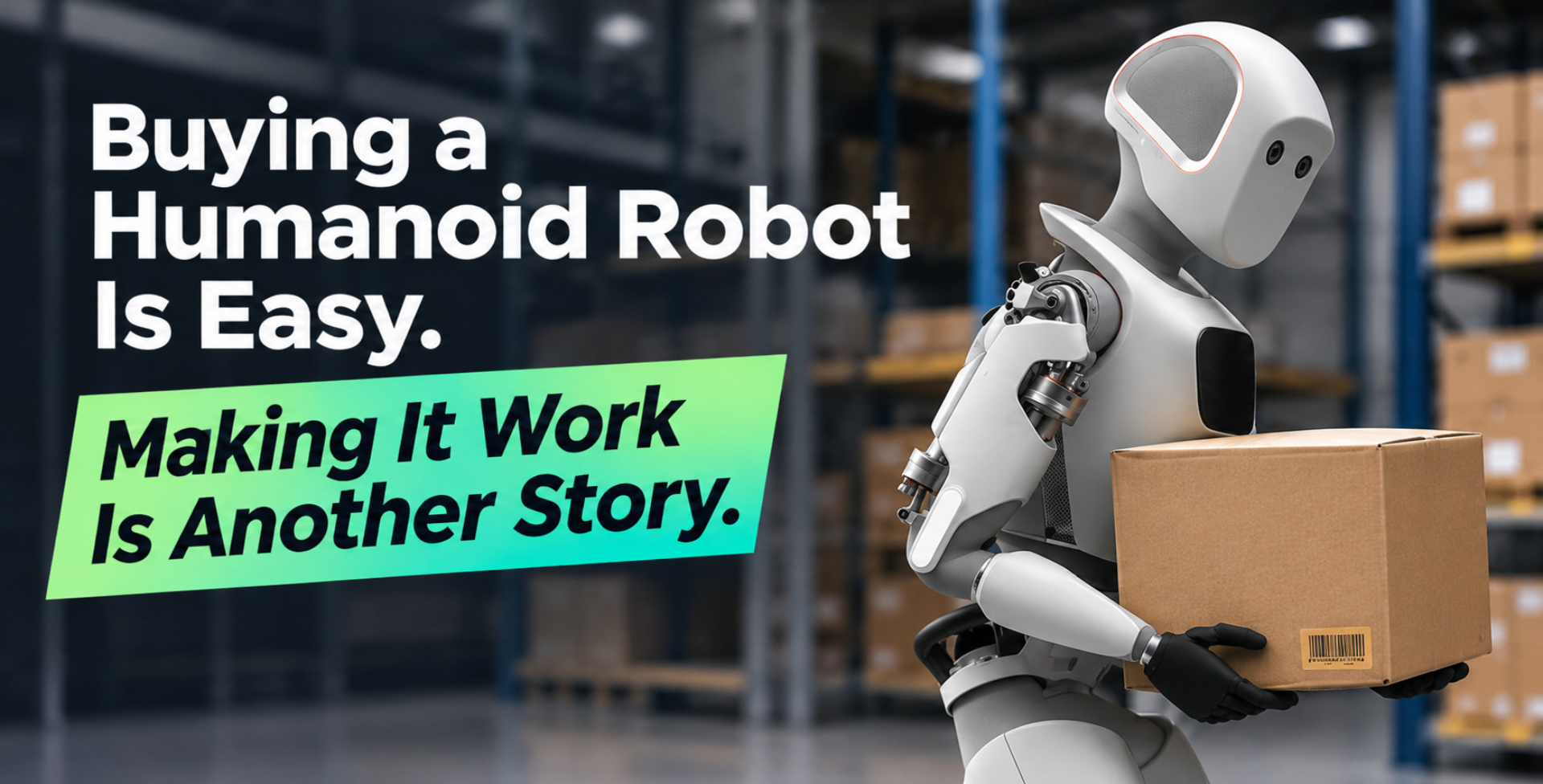

Humanoid robots are becoming increasingly accessible to businesses. Today, companies can purchase advanced humanoid platforms such as the Unitree G1, equipped with legs, arms, cameras, sensors, and sophisticated motion control systems.
But what happens after the robot arrives?
Can you immediately put it to work cleaning your office, moving boxes in a warehouse, or preparing coffee for customers?
Not quite.
While purchasing a humanoid robot is becoming easier, turning it into a useful worker is an entirely different challenge.
The real difficulty isn’t acquiring the hardware. It’s developing the software and technical capabilities required to make the robot perform specific tasks reliably.
So, what does it actually take to make a humanoid robot useful for your business?
1. What Do You Actually Get When You Buy a Humanoid Robot?
Let’s take the Unitree G1 as an example.
The Unitree G1 is a commercially available humanoid robot with two legs, two arms, cameras, sensors, and multiple actuators that allow it to perform complex movements.
It can walk, move its arms, and execute a range of impressive motions.
However, being able to move doesn’t mean the robot knows how to perform the tasks your business needs.
Imagine that your company operates a warehouse and wants to use a humanoid robot to move boxes from one table to another.
It sounds like a relatively simple task.
But when you unpack your new humanoid robot, it doesn’t automatically know how to identify those boxes, approach them, pick them up, and place them in the correct location.
The manufacturer provides the hardware and basic software capabilities, including motion control and other platform-specific functions. However, the application software required for your particular warehouse operation may still need to be developed.
In other words, you need to program the robot to do the job.
And that’s where the real work begins.

2. Why Is a Simple Task So Difficult for a Humanoid Robot?
Consider something as straightforward as picking up a box and moving it to another location.
For humans, this process is almost automatic. We see the box, approach it, grab it, and place it somewhere else.
For a humanoid robot, however, this seemingly simple action involves several complex technical processes.
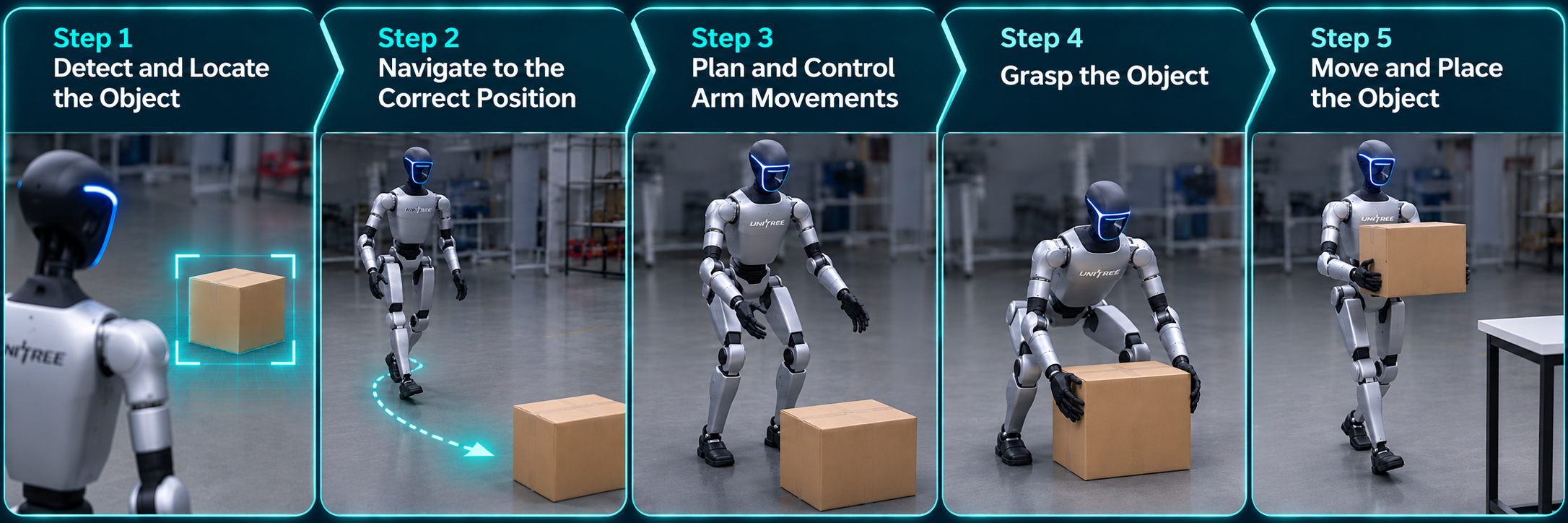
Step 1: Detect and Locate the Object
First, the robot needs to identify the box using its cameras and perception systems.
It must determine where the box is located relative to its own position and estimate the information needed to interact with it.
This requires computer vision, perception algorithms, and coordinate transformations.
Step 2: Navigate to the Correct Position
Once the box has been detected, the robot needs to approach it.
This requires the robot to plan its movement, maintain balance, and avoid obstacles along the way.
Unlike a wheeled robot, a humanoid must also continuously manage its balance while walking.
Step 3: Plan and Control Arm Movements
When the robot reaches the box, it needs to position its arms correctly.
This involves calculating joint configurations and generating appropriate movements to reach the object.
The robot must coordinate multiple motors while respecting its physical constraints.
Step 4: Grasp the Object
Picking up the box introduces another challenge: grasping.
How much force should the robot apply?
Too little force, and the box may slip. Too much force, and the robot could damage the object.
The robot needs appropriate grasping strategies and control mechanisms to handle the object safely.
Step 5: Move and Place the Object
Finally, the robot must transport the box and place it at the intended destination.
Throughout this process, it must coordinate perception, locomotion, manipulation, and control.
And what happens if the box is moved to a different position, its dimensions change, or someone places an obstacle in the robot’s path?
The robot needs to adapt to these changes.
This is why tasks that seem effortless to humans can become complex engineering challenges for humanoid robots.
The hardware alone isn’t enough. The robot needs software that integrates all these capabilities into a complete working application.
3. But Aren’t Humanoid Robots Already Doing These Tasks?
If you’ve watched humanoid robotics demonstrations online, you’ve probably seen robots sorting packages, preparing food, cleaning, or performing other impressive activities.
So, why can’t you simply purchase one and put it to work?
The important distinction is between a demonstrated robotic capability and a ready-to-deploy commercial application.
Many of the humanoid demonstrations we see today are the result of extensive development work carried out by engineering and research teams.
These teams develop and integrate the software required to make robots perform specific tasks. They test different approaches, improve control systems, and adapt their solutions to particular environments.
The robot doesn’t necessarily arrive from the manufacturer with all these capabilities ready to use.
As of 2026, many complex humanoid applications still require significant customization, integration, and technical development.
Therefore, seeing a humanoid robot successfully perform a task in a video doesn’t automatically mean that the same capability is commercially available as an off-the-shelf solution for your business.
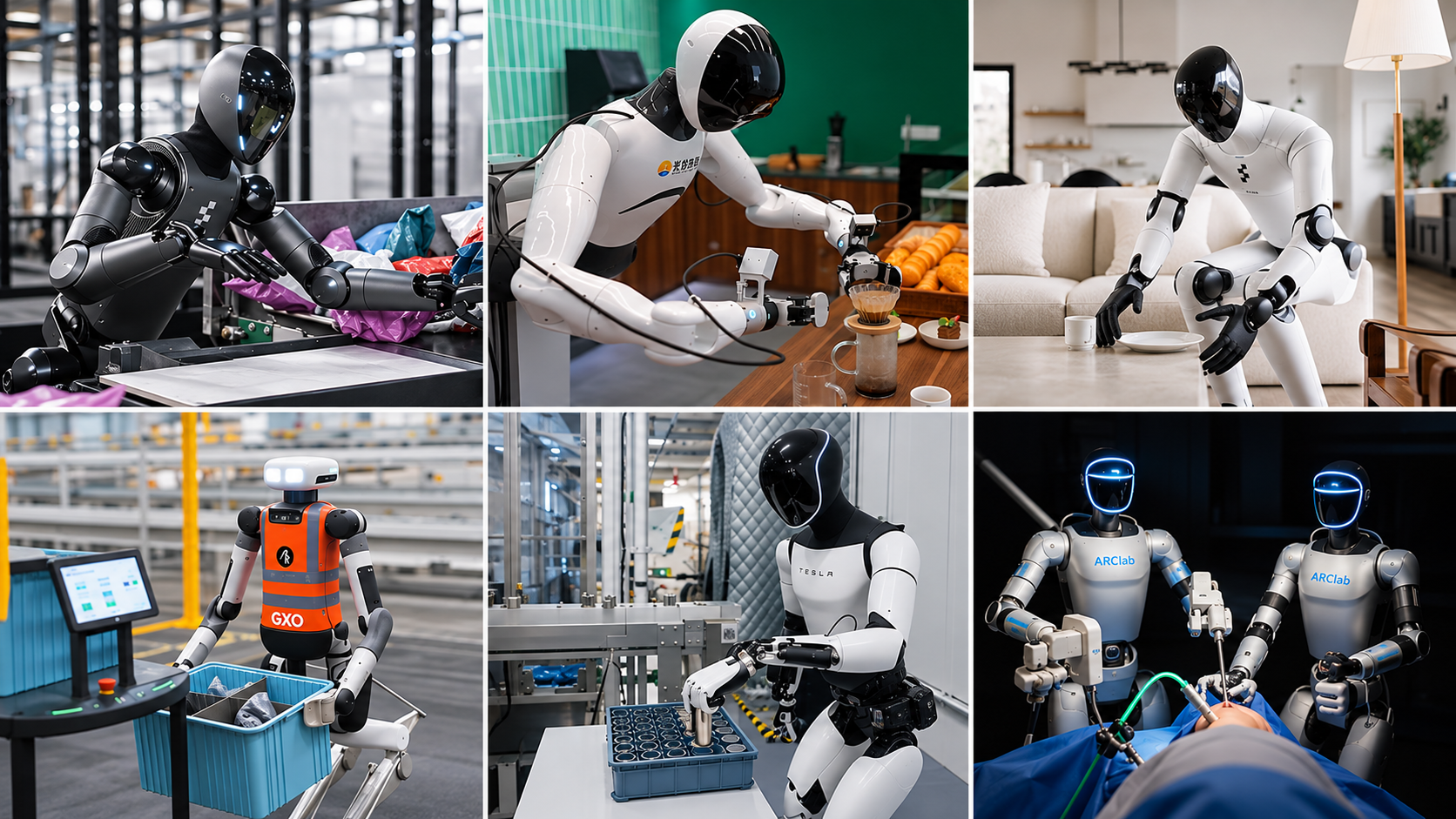
Image credits: Respective owners
4. The Real Challenge Isn’t Buying the Robot
As interest in humanoid robotics continues to grow, more companies are considering whether they should invest in this technology.
They see demonstrations of humanoid robots performing increasingly sophisticated tasks. They notice competitors experimenting with robotic automation.
Naturally, a question arises:
“Which humanoid robot should our company buy?”
But perhaps that’s not the right question to start with.
Before choosing a robot, companies should ask themselves two more important questions:
1. Can today’s humanoid robots actually perform the tasks our business needs?
2. Do we have the technical expertise required to make them perform those tasks?
Buying a humanoid robot isn’t like buying a printer or another conventional office device.
You cannot simply connect it, press a button, and expect it to start working.
Successful deployment requires people who understand how the robot operates, how to develop applications for it, and how to integrate it into existing business processes.
Companies also need engineers capable of troubleshooting unexpected behavior and improving the robot’s performance.
Artificial intelligence, reinforcement learning, and other emerging technologies are helping humanoid robots become more capable and autonomous.
However, these advances don’t eliminate the need for technical expertise.
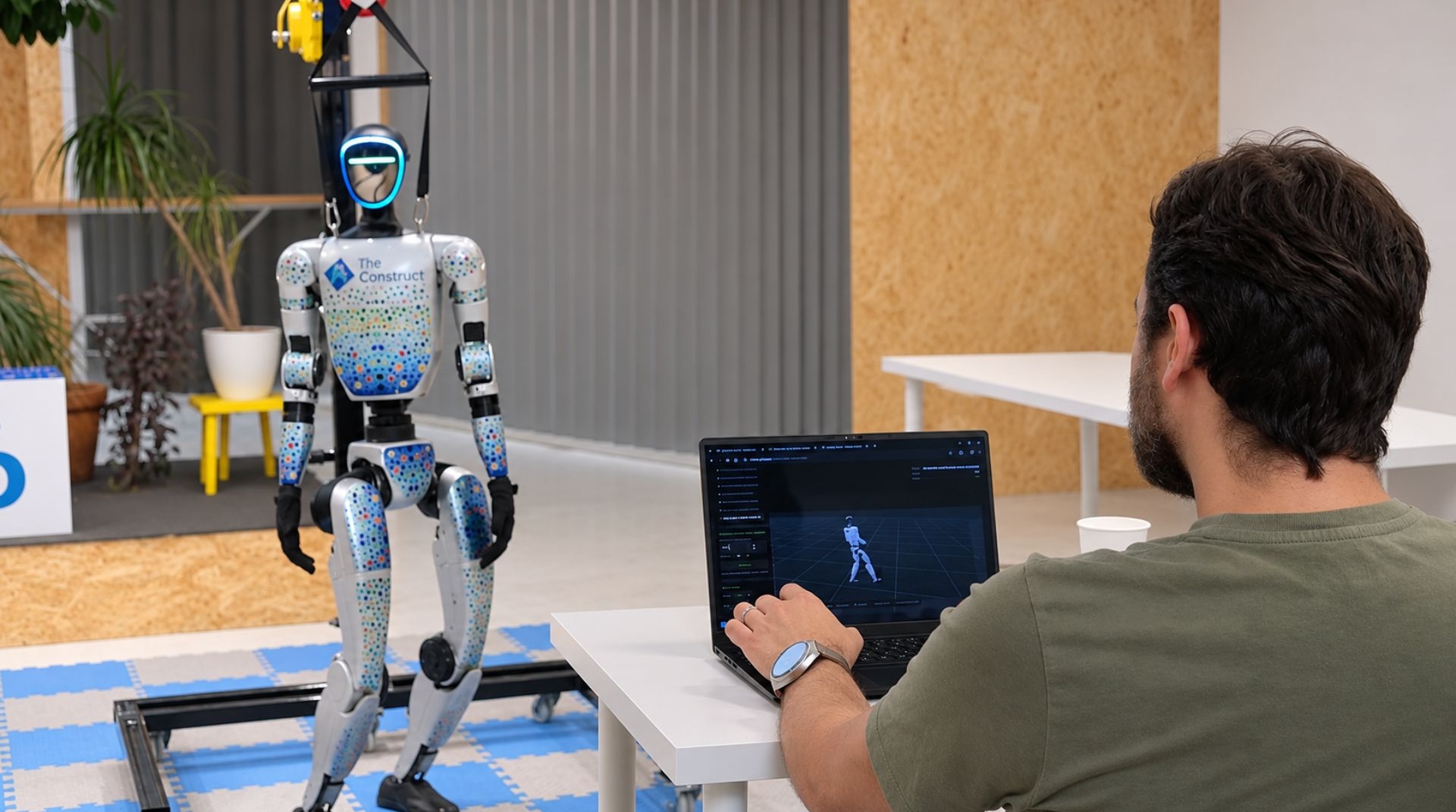
For many business applications, the challenge is not obtaining the robot but developing the capabilities needed to make it useful.
5. Should Companies Invest in Humanoid Robots Now or Wait?
Does this mean businesses should forget about humanoid robots and wait another five or ten years?
Not necessarily.
Although humanoid robots are not yet ready for many commercial applications, the technology continues to evolve.
Companies interested in exploring humanoid robotics can start preparing today without immediately investing in expensive hardware.
Just as adopting new software requires employee training, testing, and integration, introducing humanoid robots requires time to develop technical knowledge.
The difference is that humanoid robotics involves additional challenges related to physical interaction, motion control, perception, and safety.
Rather than purchasing a robot immediately, companies can begin by building internal expertise.
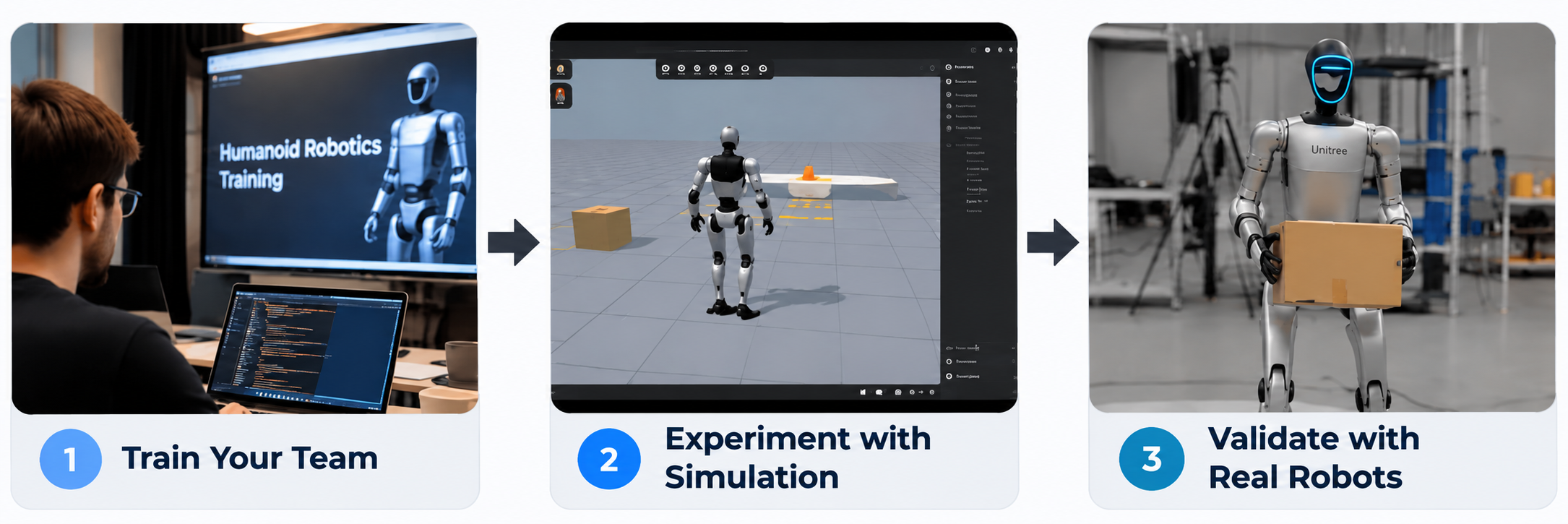
Start by Training Your Team
A practical first step is to train one or two engineers within your organization.
These engineers can begin learning how humanoid robots operate, how their software systems are structured, and how different robotic capabilities work together.
Experiment with Simulation
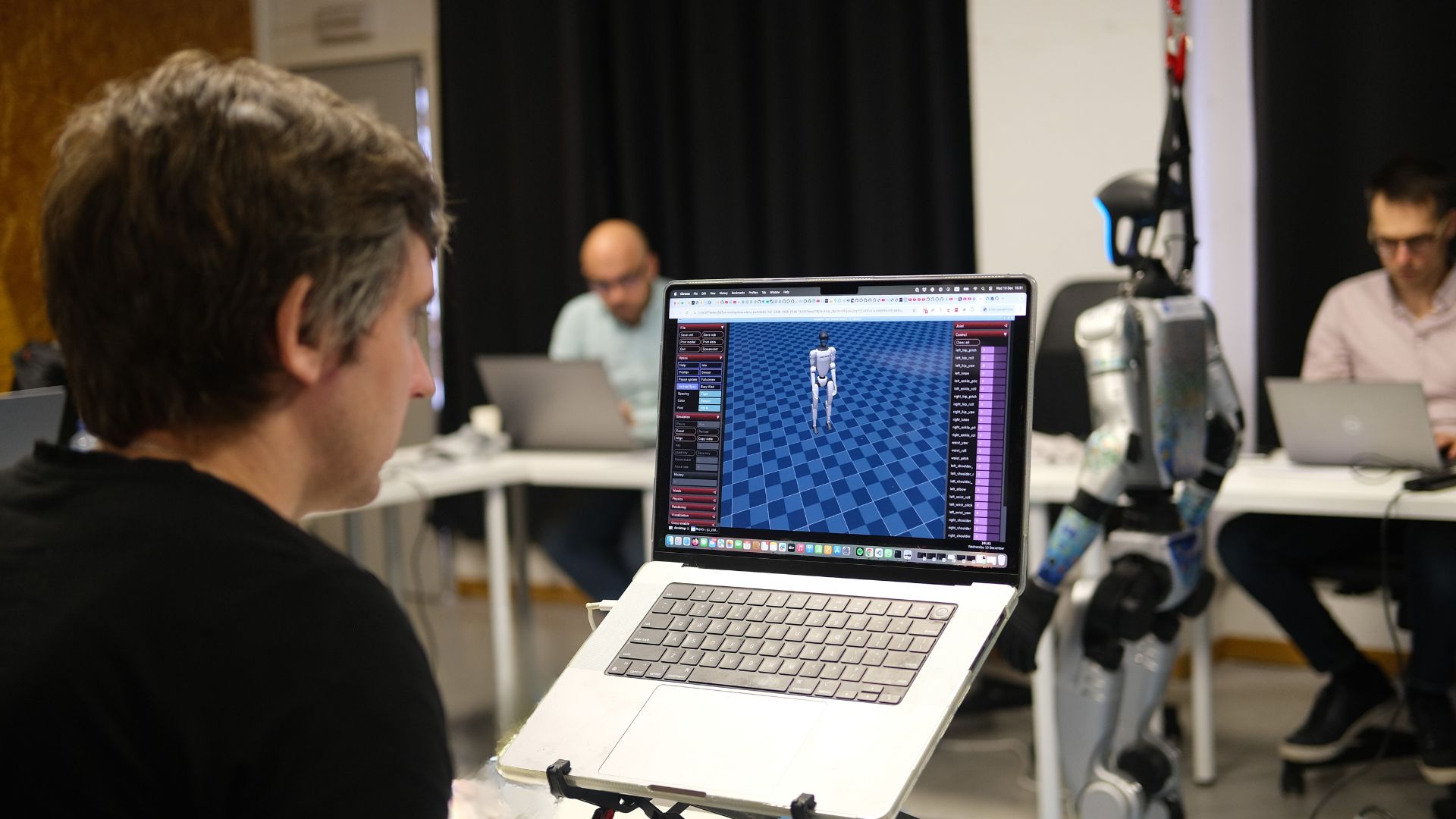
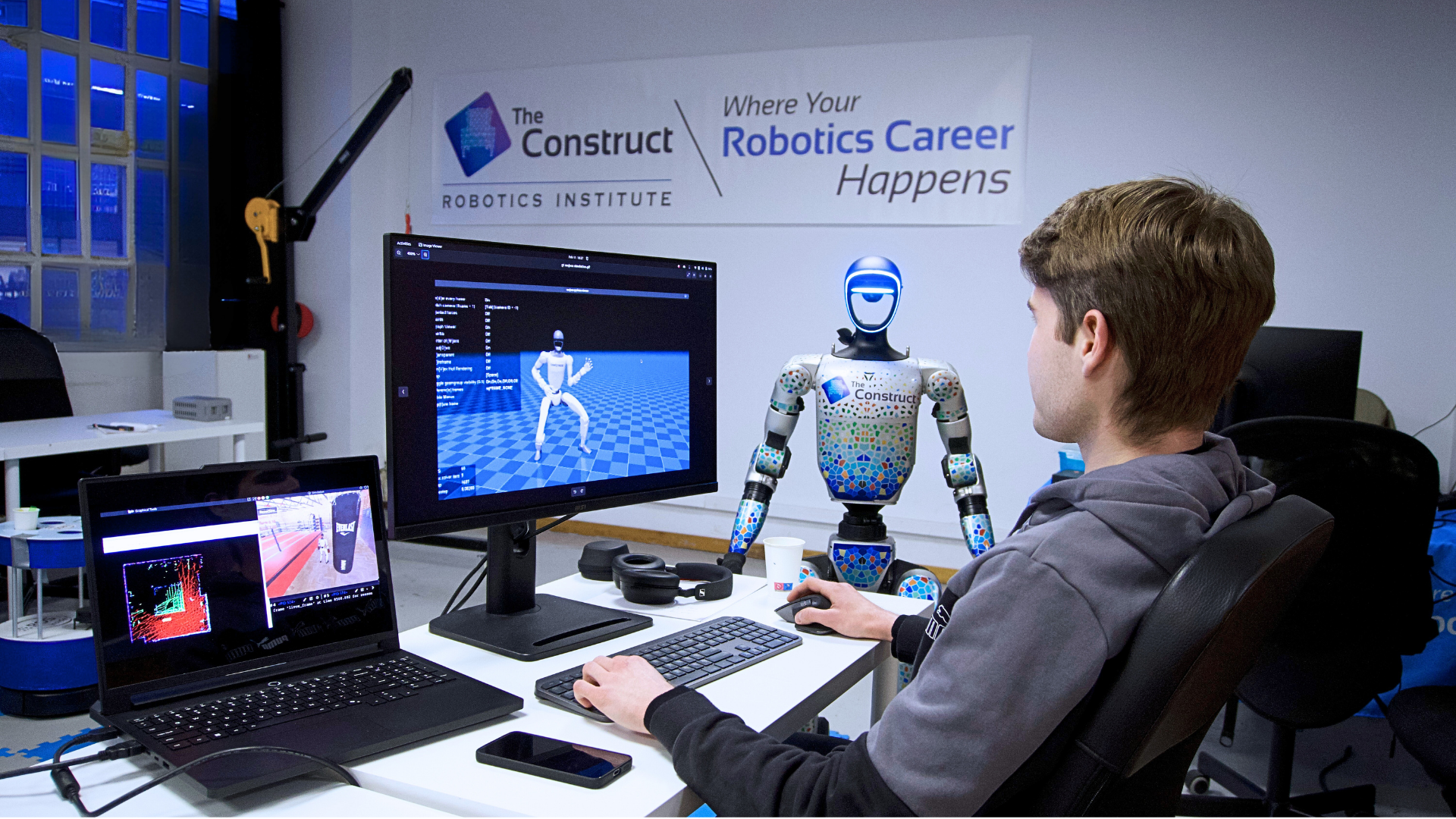
Before working with physical hardware, teams can use robotic simulation environments to experiment with humanoid applications.
Simulation provides opportunities to explore locomotion, arm control, perception, and other robotic behaviors without requiring immediate access to an expensive physical robot.
It also allows engineers to test different approaches and understand technical limitations.
Validate with Real Robots
Once the team has developed foundational knowledge, the next step is to test those capabilities on real humanoid hardware.
This helps engineers understand the differences between simulated and physical environments, identify deployment challenges, and evaluate whether a particular application is technically feasible.
By following this approach, companies can progressively develop the knowledge needed to make informed decisions about humanoid robotics.
Start with simulation. Build technical expertise. Test on real robots. Then decide whether investing in humanoid hardware makes sense for your business.
6. How Can Your Team Get Started with Humanoid Robotics?
For companies interested in exploring humanoid robotics, developing practical technical skills is an important first step.
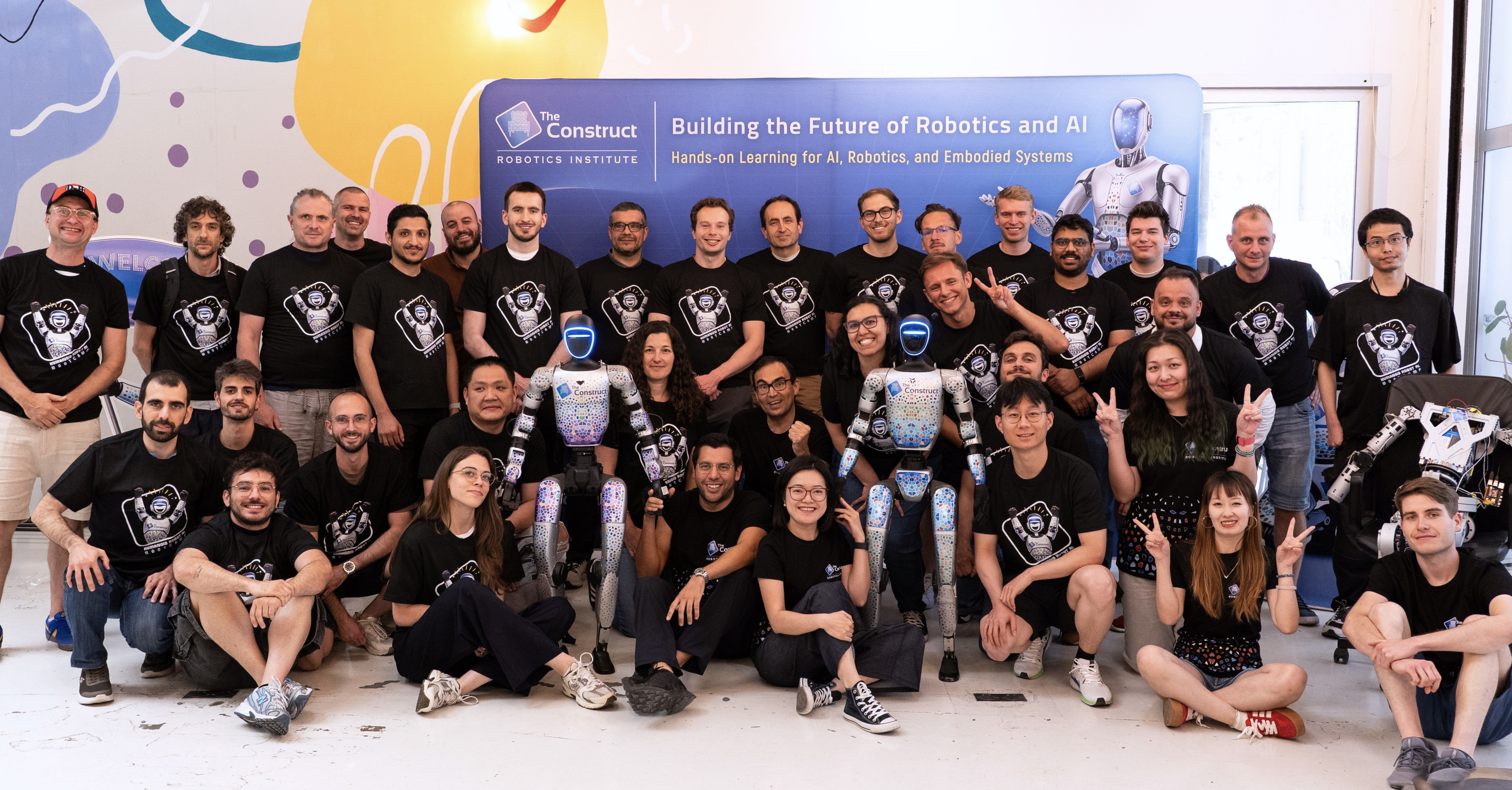
At The Construct Robotics Institute, we help engineers and technical teams learn how to program robots and develop real-world robotics applications.
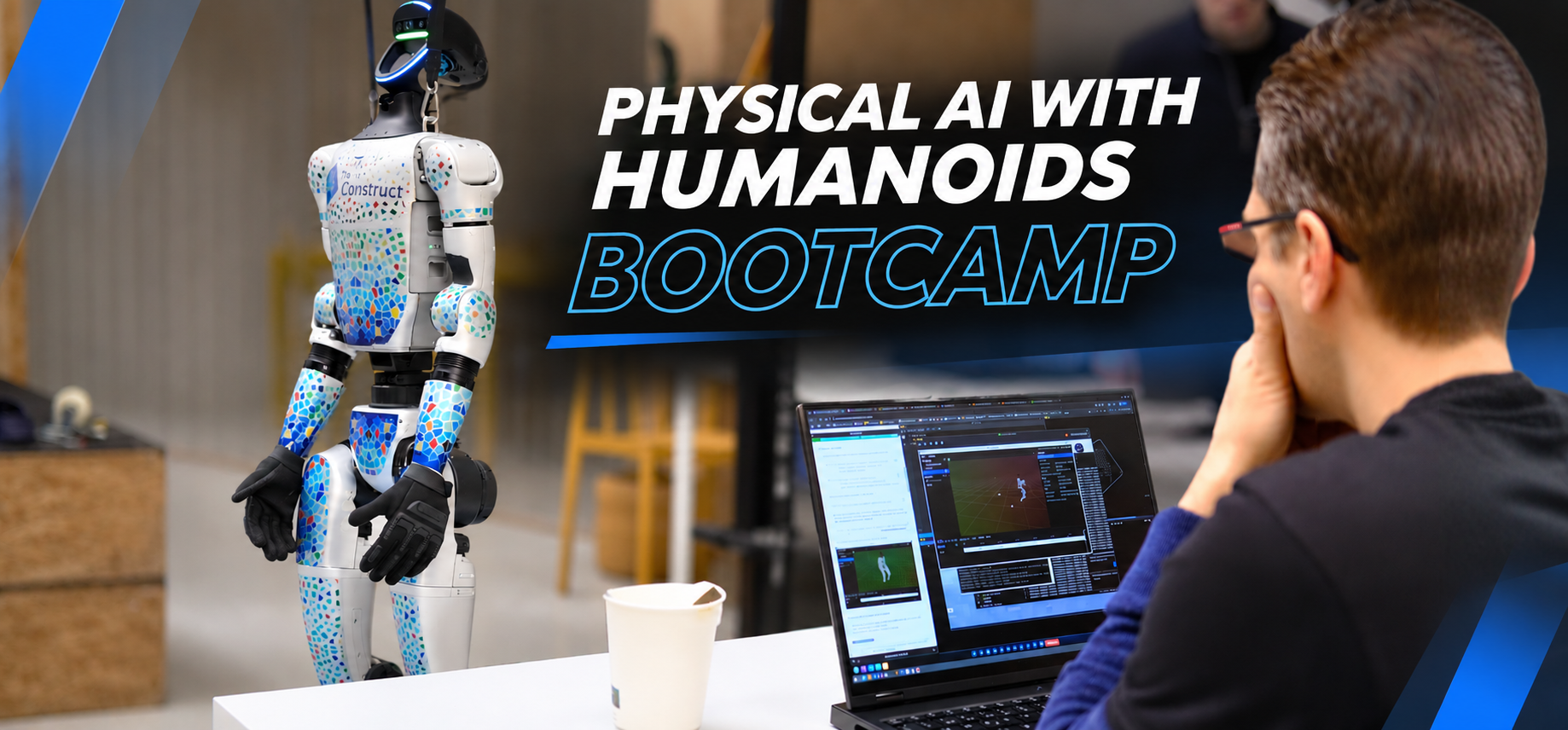
Our Physical AI with Humanoids Bootcamp is a three-day, hands-on training program designed to introduce participants to humanoid robotics development.
The program covers key technologies such as reinforcement learning, humanoid motion control, and simulation-to-real deployment.
Participants work with robotic simulations and gain hands-on experience with real humanoid platforms, including the Unitree G1.
The goal is to help teams understand how humanoid robots work, explore their technical capabilities, and gain practical experience developing and deploying robotic behaviors.
For companies evaluating whether humanoid robots could be useful for their operations, this provides an opportunity to explore the technology before committing to a larger hardware investment.
More Info: https://www.theconstruct.ai/physical-ai-with-humanoids-bootcamp/
Conclusion: Understand the Technology Before Buying the Robot
Humanoid robots are advancing rapidly, and their potential applications across different industries are attracting growing attention.
However, buying a humanoid robot and having a humanoid robot that can perform useful work are two very different things.
Between these two stages lies a significant amount of software development, testing, integration, and technical learning.
For businesses considering humanoid robotics, the best starting point isn’t necessarily purchasing the latest robot.
It’s understanding what the technology can realistically achieve today and developing the expertise needed to evaluate it.
Before investing in humanoid hardware, invest in understanding how to make it work.
That knowledge will help your company determine whether humanoid robotics is ready for your specific application—or whether it makes more sense to wait until the technology becomes more mature.
0 Comments