
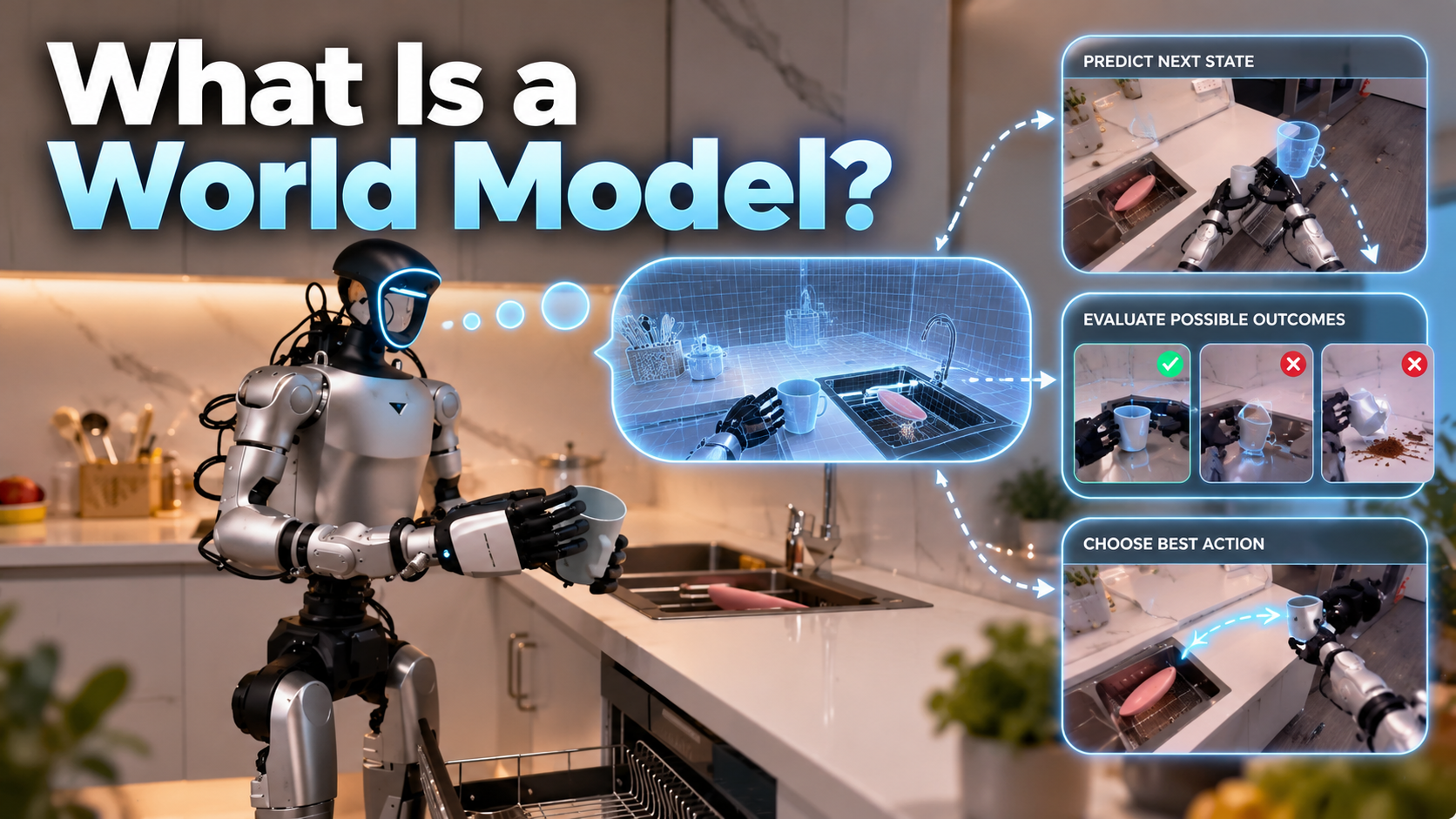

AI can write essays, generate images, and explain how the physical world works. But explaining how the world works is different from predicting what will happen in a real situation.
Imagine a humanoid robot helping with household chores. Its job is to tidy up the living room, pick up objects, and put them where they belong.
The robot can recognize a cup on the table. But what happens if the cup is near the edge? What if the robot accidentally knocks it? Or what if someone walks in front of it while it is carrying the cup?
To handle these situations, the robot needs more than object recognition. It needs to predict how objects and the environment might change when it takes an action.
This is the idea behind a World Model: an AI model that learns how the world changes over time and predicts what might happen next.
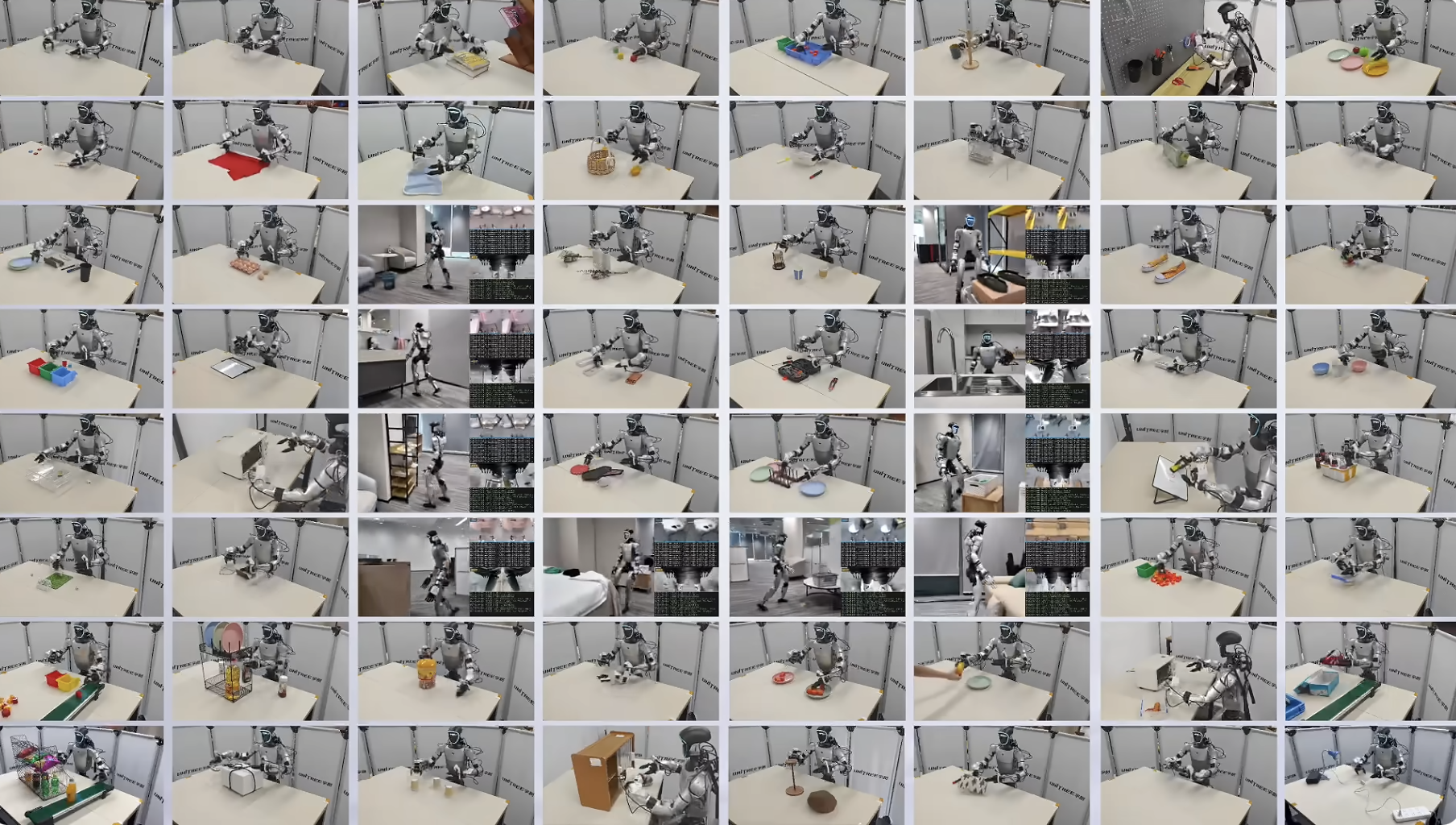
Credit: Unitree General-Purpose Humanoid Foundation Model Fully Upgrade Major Open Source (YouTube)
How Do World Models Work?
A World Model learns patterns from observations and experience, such as how objects move, how they interact, and how the environment changes when an action is taken.
Let’s return to our household robot.
Imagine the robot needs to pick up a cup from a table. Before acting, it can use its World Model to predict what might happen in different situations.
- Picking up the cup: The robot predicts how the cup will move as it lifts it.
- Moving around furniture: It predicts whether its path is clear or if it might bump into something.
- Putting the cup down: It predicts where the cup will land and whether the surface is stable.
These predictions can help the robot compare different actions and choose a better way to complete its task.
World Models can also help robots reason about things they cannot currently see. For example, if someone walks behind a sofa and disappears from view, the model can use previous observations to estimate where that person might be.
Of course, these predictions are not always correct. A World Model can make mistakes, especially in unfamiliar situations. But even imperfect predictions can help a robot make better decisions.
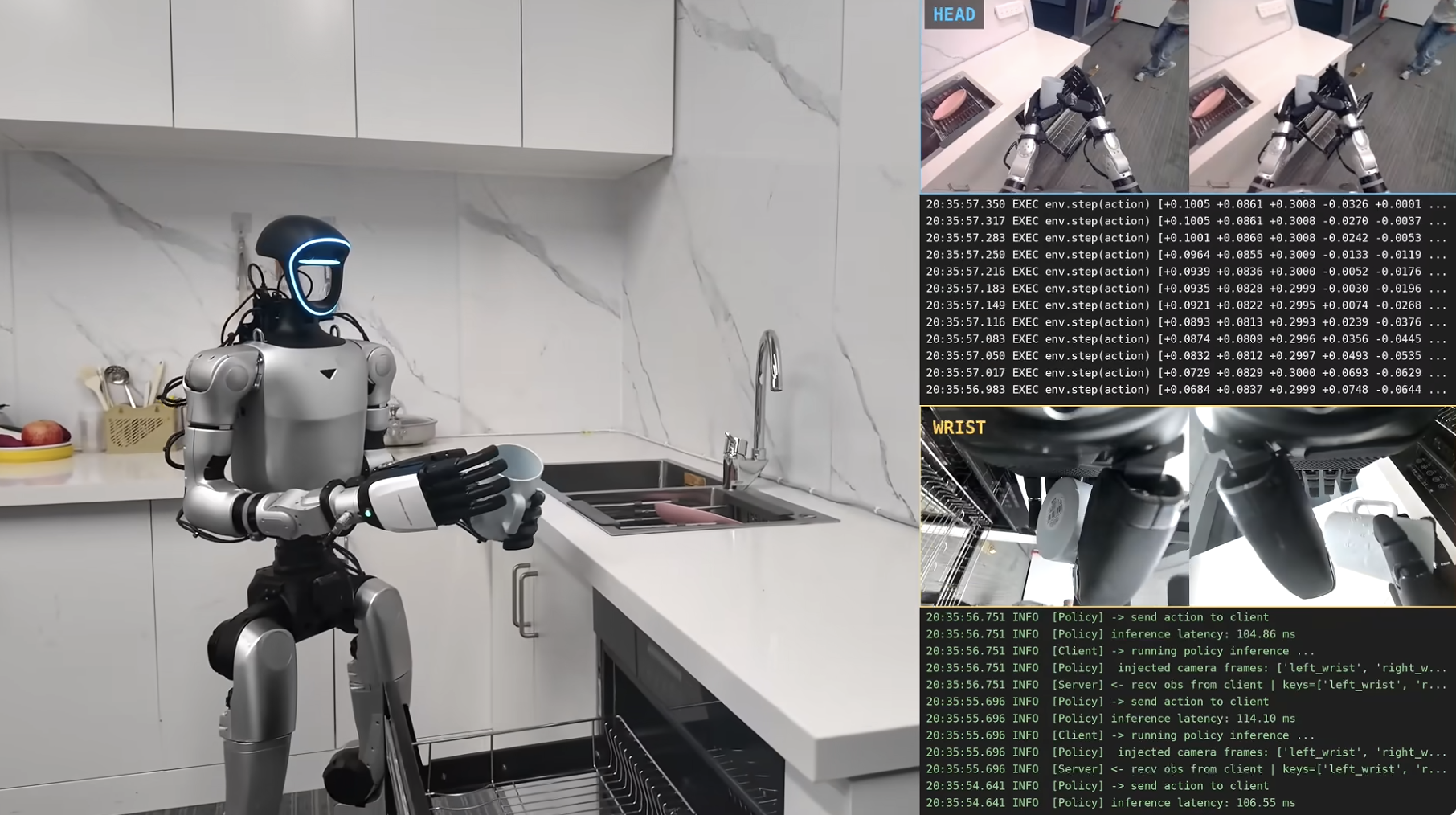
Credit: Unitree General-Purpose Humanoid Foundation Model Fully Upgrade Major Open Source (YouTube)
Why Do We Need World Models?
Large Language Models (LLMs) can explain how the world works. They can tell you that a cup dropped on the floor may break. But predicting exactly how that cup will fall, where it will land, and whether it will hit something else is a different challenge.
For robots, this difference matters. They need to do more than recognize objects or describe situations. They need to predict possible outcomes and use those predictions to guide their actions.
World Models offer a way to help AI systems learn patterns about movement, physical interactions, and cause and effect. They can also act as internal simulators, allowing AI to evaluate possible actions before trying them in the real world.
This could help robots adapt to different environments and handle situations they have not encountered before. Instead of manually programming a response for every possible situation, developers can train models to learn useful patterns from data and experience.
World Models are still an active area of research, but they could play an important role in building more capable Physical AI—AI that can perceive, reason about, and interact with the physical world.
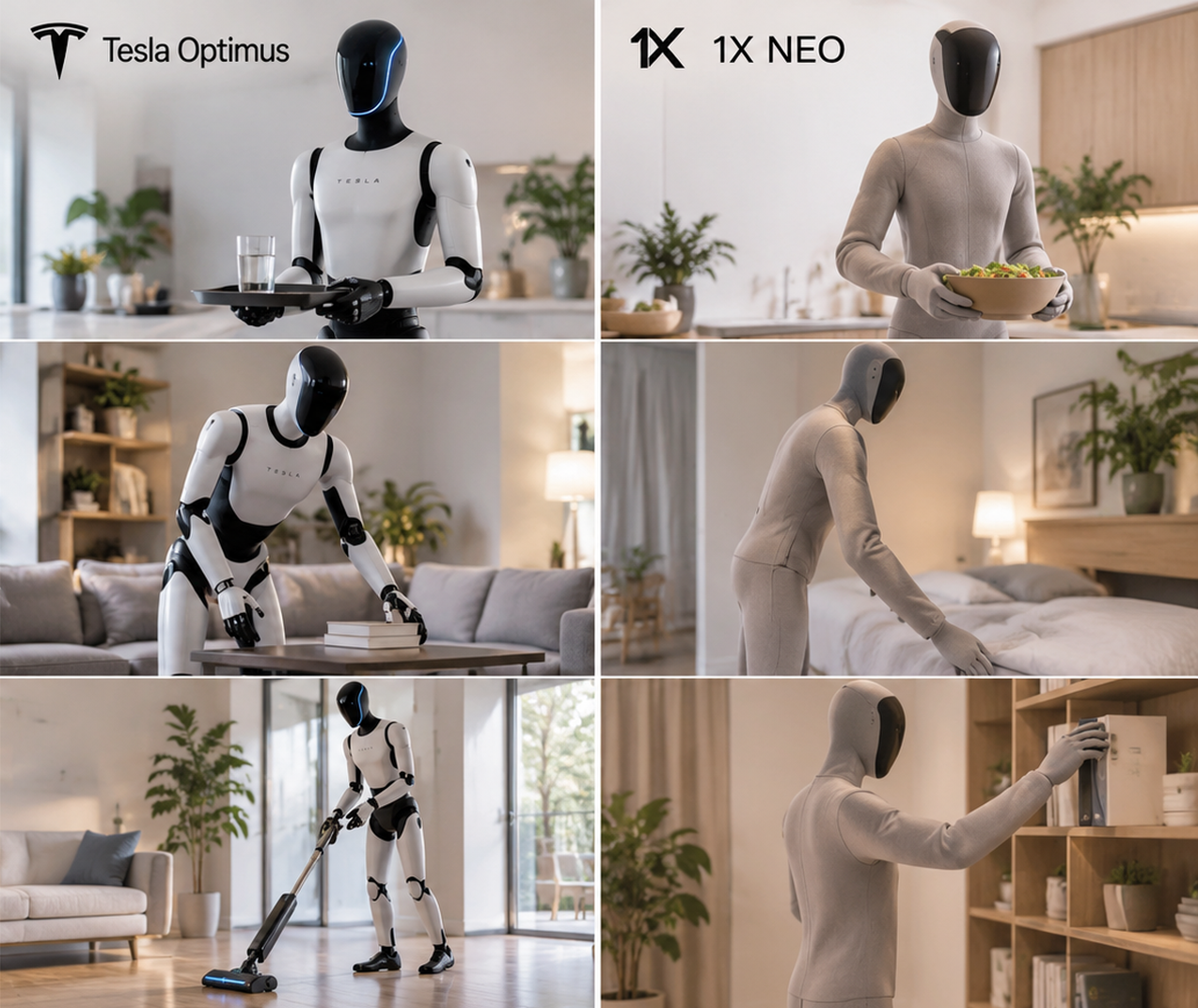
Ready to Build More Intelligent Robots?
Understanding World Models is one step toward understanding how AI can help robots make better decisions in the physical world. To put these ideas into practice, you also need to understand the technologies that help robots perceive, learn, and act.
The Physical AI Robotics Masterclass by The Construct takes you from AI foundations to developing full-stack robotics expertise, equipping you with the skills to design, train, and deploy robots with embodied intelligence.
More Info: theconstruct.ai/physical-ai-for-robotics-masterclass/

0 Comments