CASE STUDY
How ENSTA Keeps Teaching ROS in 2020
#ROSto100Universites
- Case Description
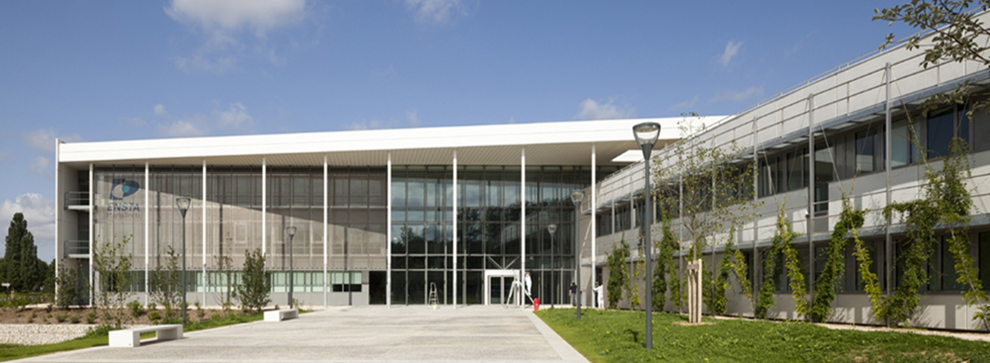
The ENSTA Paris, which is an acronym for Superior National School of Advanced Techniques in Paris, is a prestigious French graduate school of engineering. They are one of the few schools in France that offers ROS-based robotics courses. In this case study, we interviewed Prof. Filliat David, a professor with six years of ROS teaching experience.
Affected by the COVID-19 lockdown, Prof. Filliat David had to move his ROS class online. In this case study, he will share with us his experience of converting his courses to an online platform.

The Challenge of a Robotics Teacher during COVID-19
Prof. Filliat David's Robotics Project master course at the ENSTA Paris, one of the few school in France that specializes in teaching robotics with ROS. Is very popular with students. He has been teaching ROS for 6 years.
His Robotics Project course is a practical project-based course where students apply the theoretical knowledge gained from his other course, Mobile Robot Navigation. He provides each pair of students with a computer preinstalled with ROS and a Turtlebot for practice. This teaching method was working quite well.
But recently, he encountered a problem. Affected by the COVID-19 lockdown in France, many universities have been forced to close and move their courses online. This is a challenge for a robotics teacher, as students' inability to come to school means they don't have access to school computers and robots. How do students install ROS onto their PC themselves? How can they remotely connect to the real robot to apply what they've learned? Keeping track of student learning progress and evaluating results have also become problems for Prof. Filliat David.
Solution
"Because of COVID-19, we decided to use The Construct for our remote teaching."
Prof. Filliat David moved the course to The Construct, combining his Robotics Project course with the ROS Basics and ROS Navigation courses. At The Construct, students can apply theoretical concepts, such as Mapping and Path Planning, to the simulated robots in real time. And with everything online, students don't need to worry about installation; all they need is WiFi and they can continue their classes from home.
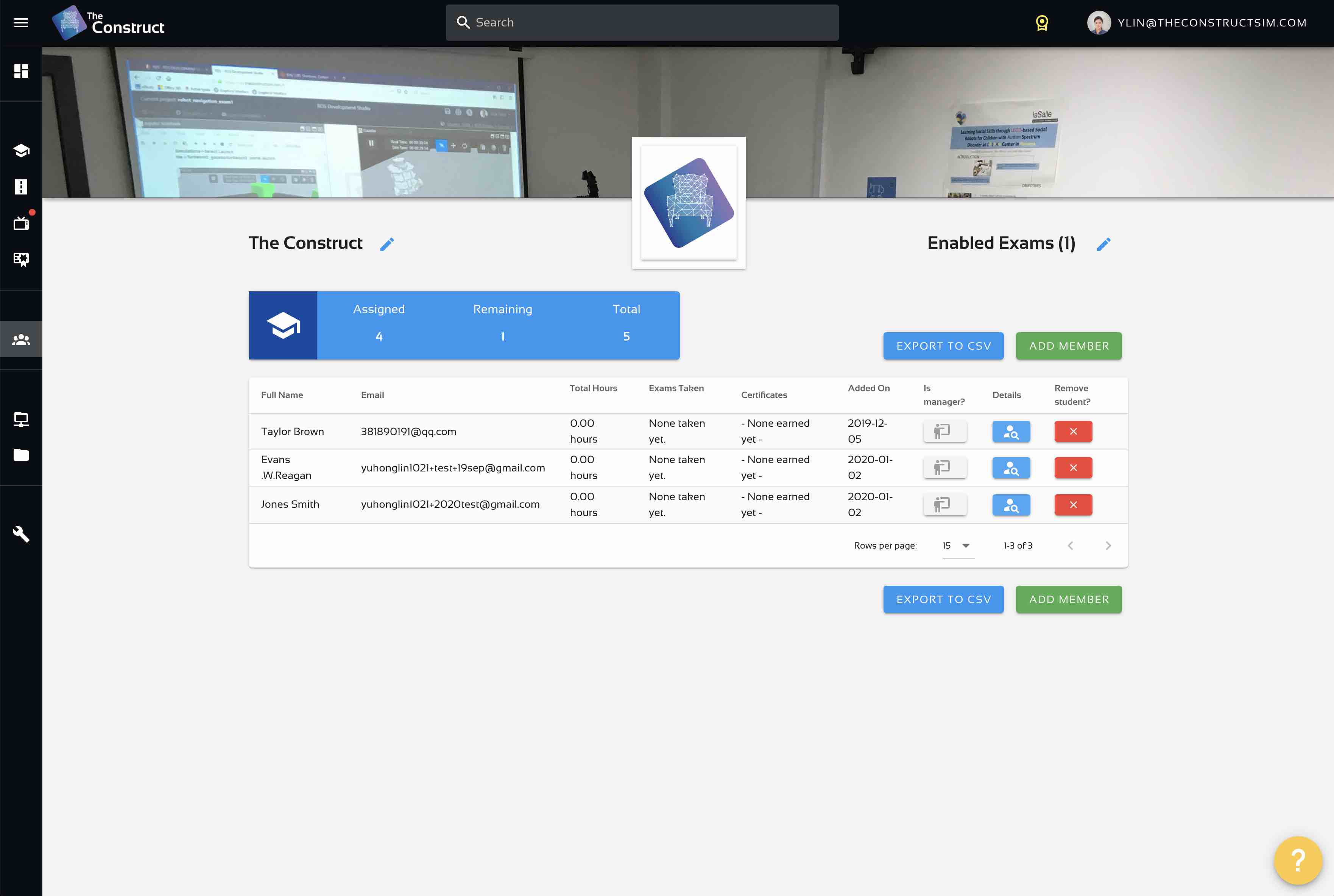
Learning environment at The Construct
With the teacher management panel, Prof. Filiat David can visually track students' learning progress remotely.
Interview
Python or C++ for teaching ROS?
Prof. Filliat David: In my class, 95% of students are using Python, and I don’t think C++ is a must-have prerequisite for learning ROS. When we look for interns in our robotics lab, we focus more on the "real" skills, such as ROS, TensorFlow, perception, etc. than on CS skills. Knowing one of the programming languages is enough.
What is the biggest challenge while teaching ROS?
Prof. Filliat David: I think it is getting students to understand the main concepts of ROS (e.g., topics, services, etc.). Students has problems when applying theoretical concepts to real stuff. And The Construct is very help in getting our students real-time feedback, so they can quickly understand the application behind the theory.
Do you agree that "ROS is becoming the standard of robot programming?"
Prof. Filliat David: Yes, I agree. ROS has become very popular in recent years. If you check the internship offers, ROS is always a requirement. In our lab, ROS is an important skill of our intern candidates. If they don’t know ROS, we will equip them with ROS. I think ROS is an essential skill for robotics jobs.
Will you jump to ROS2?
Prof. Filliat David: No. We are not considering teaching ROS2, nor for our lab’s research projects. We are good with ROS1 for our class and lab. I think the basic stuff of ROS1 is the same as ROS2, and I think to adapt to ROS2 is easy, so for the moment, we will stay with ROS1.
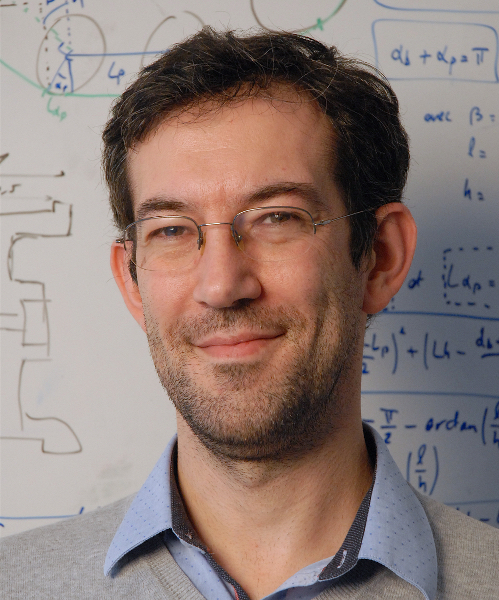
Prof. Filliat David
Professor on the Autonomous Systems and Robotics team and Director of the Computer Science and System Engineering Laboratory at ENSTA Paris.